
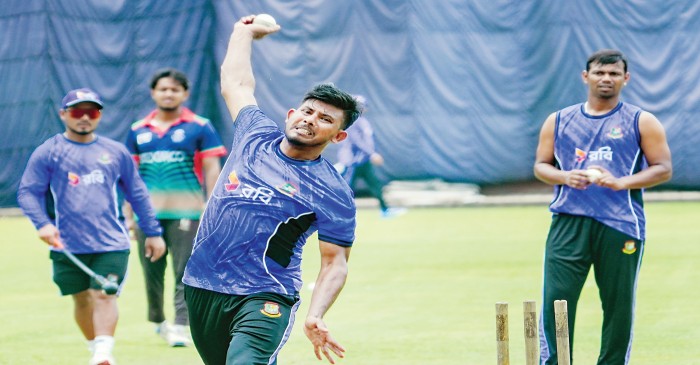
The 2026 ODI Series: A Strategic Milestone
The 2026 Australia tour of Bangladesh marks a pivotal shift in the cricket landscape, ending a 15-year hiatus in bilateral ODI series. Hosted across the Sher-e-Bangla National Stadium and Chittagong, the tour acts as an operational stress test for Bangladesh’s evolving tactical framework within a compressed, high-intensity schedule of three ODIs and three T20Is.
Redefining Selection Philosophy
The recall of Mosaddek Hossain after a four-year absence signals a departure from the previous administrative rigidity. Former chief selector Gazi Ashraf Hossain’s doctrine—which excluded Mosaddek due to perceived role redundancy with captain Mehidy Hasan Miraz—has been replaced by a philosophy prioritizing high-performance depth. Under Habibul Bashar, the committee is now testing the feasibility of dual-specialist integration.
Operational Roles and Leadership Cohesion
Captain Mehidy Hasan Miraz has been instrumental in clarifying these shifting dynamics. By distinguishing his own responsibilities from Mosaddek’s, the leadership aims to prevent internal role friction. Mosaddek is designated for a utility role at positions six or seven, providing essential middle-order stability and supplementary bowling. This structure is intended to bolster team versatility during the critical middle and death overs.
Leveraging Institutional Memory
Mehidy’s public emphasis on his long-standing partnership with Mosaddek, dating back to the 2019 World Cup, highlights a reliance on institutional memory. In an era of selection volatility, leveraging established professional relationships is a core strategy to maintain squad equilibrium. The success of this integration will hinge on the coaching staff’s ability to calibrate performance expectations for players returning to the international setup.
Competitive and Commercial Implications
For the Bangladesh Cricket Board, this series serves as a litmus test for the new selection committee’s vision. Beyond the field, the 15-year wait for an ODI encounter has significantly amplified the tour’s commercial profile. Global sponsors and broadcasting partners are observing whether Bangladesh can translate domestic performance consistency into structural maturity against a Tier-1 opponent like Australia.
Structural Adaptability
The transition from the ODI format to T20s will further challenge the squad’s tactical cohesion. Relying on players to fill multi-faceted roles presents inherent risks; failure to stabilize the middle-order could force the management back toward conservative patterns. Ultimately, the series will determine if Bangladesh’s current flexible approach to squad composition is a sustainable blueprint for future international cycles or a temporary experiment under pressure.
Photo by yogendras31 on Pixabay.