Institutional Prestige and the Knockout Narrative
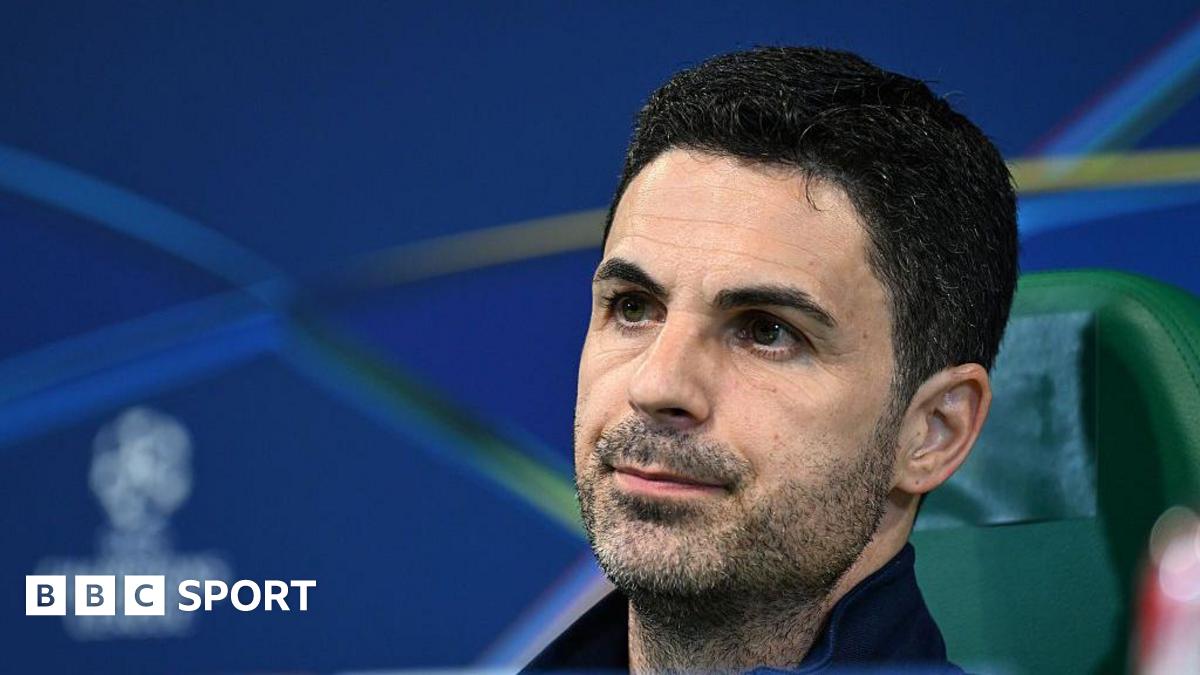
The Champions League quarter-final first leg at the Estadio Jose Alvalade serves as a definitive audit of Mikel Arteta’s tactical evolution and Arsenal’s psychological durability. While the Gunners maintain a commanding nine-point lead in the Premier League, their recent exits from domestic cup competitions have revived scrutiny regarding their composure in high-leverage knockout scenarios. This fixture represents more than a path to the semi-finals; it is an essential exercise in brand validation and European maturation for a squad frequently labeled as domestic specialists.
Sporting CP, conversely, operates from a position of localized dominance. Under Rui Borges, the Lions have curated a formidable statistical profile at home, boasting 17 consecutive victories at the Alvalade. This structural advantage is bolstered by a renewed title charge in the Primeira Liga, yet the club faces a historical deficit, having never defeated Arsenal in regulation time across seven previous encounters. The objective for Borges is to translate domestic momentum into a disciplined continental performance that negates the technical gap between the two squads.
Midfield Attrition: The Hjulmand Absence and Simões’ Baptism
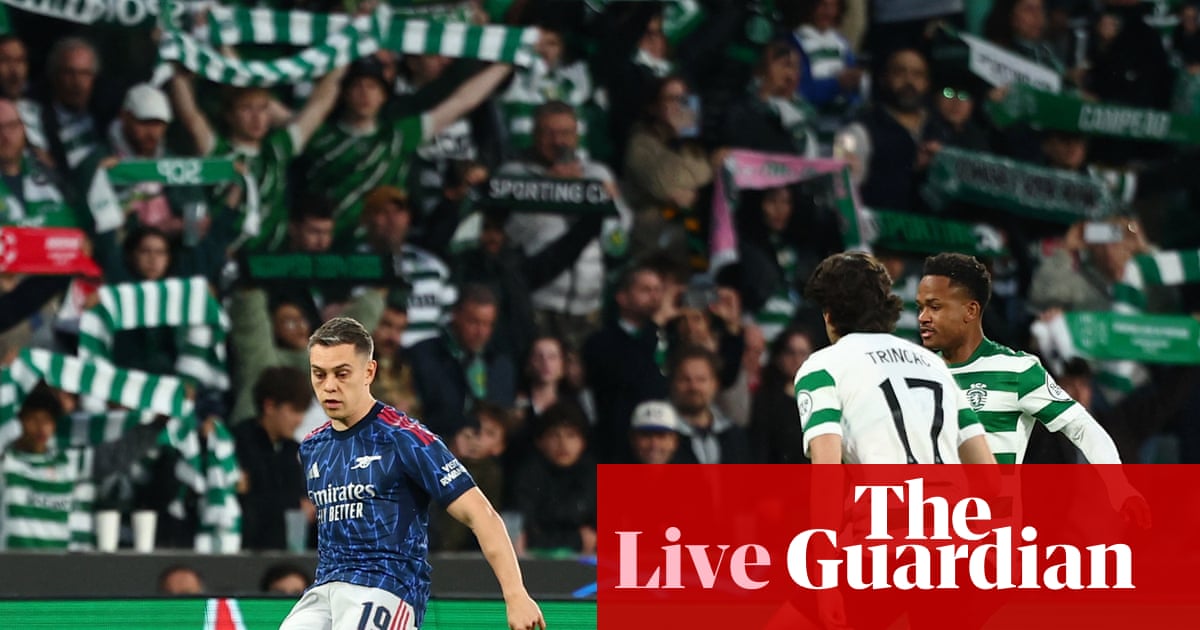
The primary tactical inflection point is the suspension of Sporting captain Morten Hjulmand. His absence creates a systemic vulnerability in the defensive pivot, forcing Borges to rely on 19-year-old João Simões. While Simões has been integrated into the European rotation, anchoring a midfield against Arsenal’s ‘technical triumvirate’ of Ødegaard, Rice, and Zubimendi represents a significant escalation in difficulty. The Gunners’ 4-3-3 is engineered to exploit precisely this type of structural inexperience, utilizing high-intensity counter-pressing to disrupt Sporting’s distribution phases.
Arsenal’s inclusion of Zubimendi provides a technical bridge that allows Rice and Ødegaard to operate in more advanced half-spaces, directly challenging Sporting’s back three. The strategic objective for Arteta will be to isolate Simões and force center-backs Diomande and Inácio into uncomfortable lateral coverage. If Sporting cannot establish a stable defensive block in the central corridor, the match risks becoming a repeat of Arsenal’s 5-1 efficiency seen in previous visits.
Psychological Fortitude vs. Fortress Mentality
The contrast in mental profiles provides a compelling subtext. Arsenal must overcome the ‘knockout overhang’ following losses to Manchester City and Southampton in domestic cups. Arteta’s challenge lies in insulating the Champions League campaign from these setbacks, ensuring that his players maintain the clinical detachment required for elite European football. Sporting, meanwhile, leverages a ‘fortress mentality’ fueled by their historic comeback against Bodo/Glimt, suggesting a resilience that could prove decisive if the tie remains contested into the final stages.
Sporting’s 4-2-3-1 relies on the aggressive verticality of full-backs Fresneda and Araújo. However, this offensive commitment introduces transition risks that Madueke and the mobile Gyökeres are profiled to exploit. The Gabriel-Saliba partnership remains Arsenal’s insurance policy, tasked with neutralizing the direct threat of Uruguay’s Suárez. The ability of the Arsenal defense to isolate Sporting’s primary outlet will dictate whether the Alvalade crowd remains a factor or if the home side is forced into a reactive, low-block containment strategy.
Strategic Implications of the Semi-Final Threshold
Beyond the pitch, the financial and institutional stakes are immense. For Arsenal, back-to-back semi-final appearances would solidify their UEFA coefficient and reinforce the revenue streams necessary to sustain their current high-capital recruitment model. For Sporting, the tie represents a showcase for their development pipeline; a competitive showing against the Premier League leaders significantly inflates the market valuation of assets like Diomande and Inácio. The tactical outcome in Lisbon will not only determine a semi-finalist but also set the strategic trajectory for both clubs through the 2025/26 cycle.