CONTEXTUAL ANALYSIS: The Intersection of Infamy and Governance
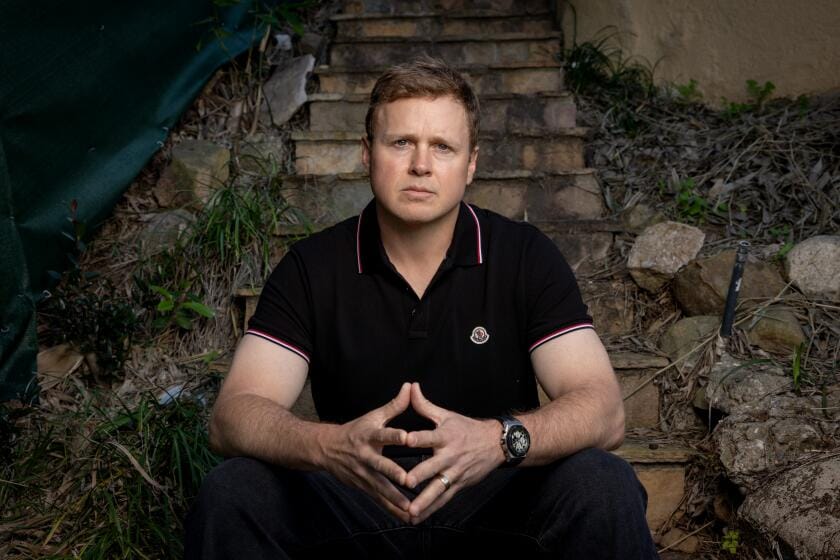
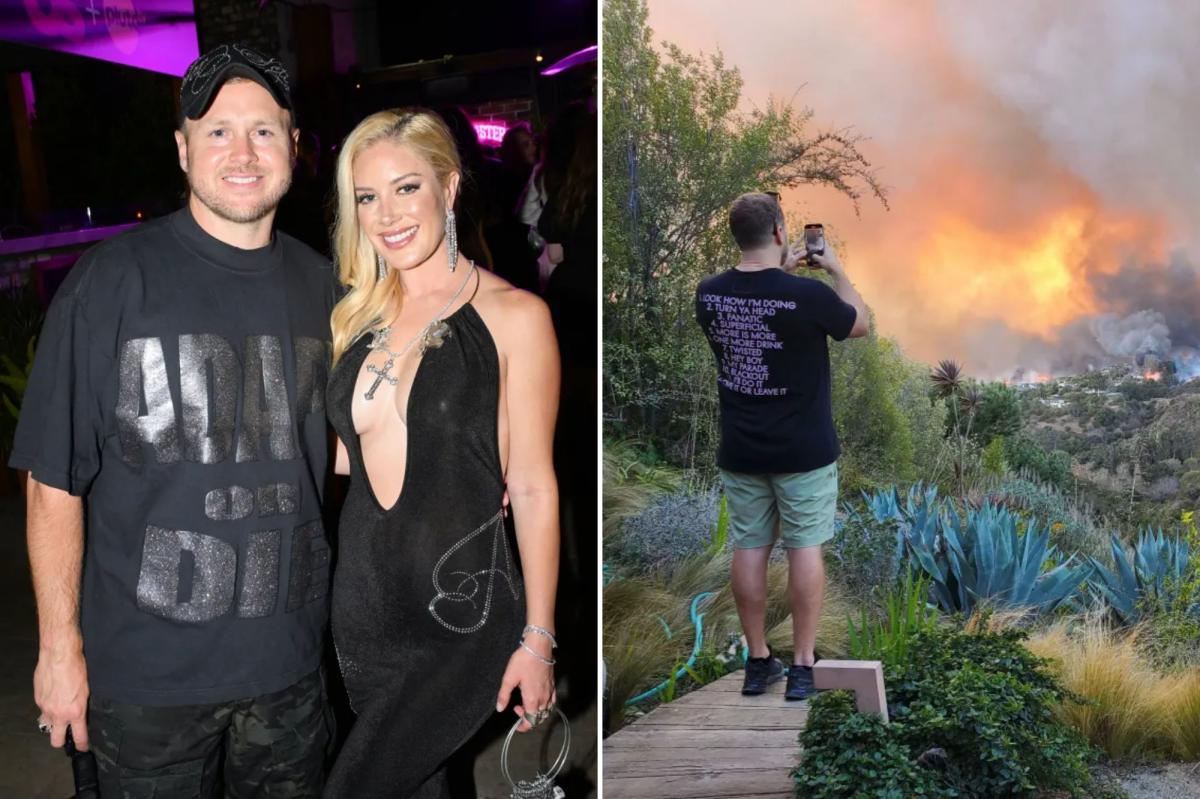
The landscape of California politics has long been a theater where the lines between entertainment and administration blur. Most recently, Spencer Pratt, a figure synonymous with the mid-2000s reality television boom, has thrust himself back into the public eye, not through a script, but through a stinging critique of state leadership. Following the devastating Palisades fire, Pratt directed his ire toward California Governor Gavin Newsom, whom he derogatorily labeled ‘Mr. Hair Gel.’
This confrontation is more than a celebrity spat; it represents a calculated pivot for Pratt. While he admitted to having ‘burned his own life down years before,’ his current trajectory suggests a desire to rebuild that life within the halls of civic power. Pratt, known for his role on ‘The Hills,’ is now openly discussing a run for Mayor of Los Angeles, a move that leverages his established brand of ‘villainy’ into a platform of disruptive political outsiderism.
The Evolution of the Reality TV Villain
In his new memoir, Pratt reflects on his career with a degree of self-awareness rarely seen in the genre. He describes his embrace of the villain persona as a strategic financial and professional decision. By ‘leaning into’ the negative attention, Pratt secured longevity in an industry known for its high turnover. This ‘cockroach’ mentality—a term he uses to describe his resilience—has allowed him to survive decades of shifting media consumption habits.
The transition from a media antagonist to a political candidate is a path previously trodden by figures such as Donald Trump. Pratt’s strategy relies on the ‘Attention Economy,’ where notoriety is a currency as stable as traditional political capital. His critique of Newsom’s handling of the Palisades fire serves as his entry point into the discourse of public safety and infrastructure, issues that resonate deeply with the Los Angeles electorate.
Why This Matters: The Democratization of Political Influence
Pratt’s potential candidacy matters because it highlights the continuing shift in how political influence is garnered in the digital age. For decades, the path to the Mayor’s office in Los Angeles required years of community organizing, legal practice, or lower-level legislative service. Pratt is bypassing these traditional gatekeepers by utilizing a direct-to-consumer communication model perfected over years of reality television and social media dominance.
Furthermore, his critique of Governor Newsom reflects a broader frustration among Californians regarding wildfire management and state bureaucracy. By using colloquialisms and personal attacks, Pratt taps into a populist sentiment that views career politicians as disconnected and overly polished. The ‘Mr. Hair Gel’ moniker, while seemingly superficial, is a pointed critique of perceived elitism and aesthetic-driven governance.
Connecting Infamy to Policy
While Pratt’s background is rooted in the scripted drama of MTV, his current focus is on the tangible reality of California’s environmental and social crises. The Palisades fire served as a catalyst for his outspokenness. For a resident of the affected areas, the failure of the state to manage these recurring disasters is not a plot point, but a systemic failure. Pratt’s transition from ‘burning his life down’ to wanting to lead a city is his attempt at a redemptive arc that aligns with the grievances of his potential constituents.
His admission of past failures is a key component of his new brand. By acknowledging his history as a ‘villain,’ he attempts to inoculate himself against the standard character attacks that plague traditional politicians. If one admits to being a ‘cockroach,’ the conventional mudslinging of a political campaign loses its efficacy. This transparency, however curated, is a powerful tool in an era where voters are increasingly cynical about the ‘perfect’ facades of elected officials.
Broader Trends: The Celebrity-Politician Pipeline
The phenomenon of Spencer Pratt seeking the Mayoralty is a symptom of a larger trend in American politics: the blurring of the celebrity-politician pipeline. California has a rich history of this, from Ronald Reagan to Arnold Schwarzenegger. However, Pratt represents a new iteration—the ‘influencer-politician.’ Unlike his predecessors who moved from high-prestige film careers into politics, Pratt comes from the world of ‘unscripted’ notoriety, where the goal is to be discussed, regardless of the sentiment.
This trend suggests that the barrier to entry for high-level political office is no longer expertise, but visibility. In a city like Los Angeles, where the cost of a traditional political campaign is astronomical, a candidate with a pre-existing national brand and millions of followers possesses a significant competitive advantage. Pratt’s ‘villain’ brand ensures that he will never suffer from a lack of name recognition, a hurdle that many qualified civil servants fail to clear.
The Sustainability of Performance Politics
There is, however, a question of sustainability in this approach. Performance politics, while effective for gaining headlines, often struggles when confronted with the minutiae of municipal management. The Mayor of Los Angeles must navigate complex budget negotiations, homelessness crises, and intricate transportation projects. Pratt’s ‘cockroach’ resilience will be tested not by the court of public opinion, but by the reality of the city’s administrative challenges.
The shift from ‘leaning into the villain personality’ for money to leaning into it for votes is a high-stakes gamble. It remains to be seen if the L.A. electorate is willing to translate their ‘love to hate’ relationship with Pratt into a mandate for leadership. Yet, in the current media climate, his candidacy is a logical progression for a man who has spent his entire adult life navigating the mechanics of public perception.
A Look Ahead: The Road to the Ballot
As Pratt continues to promote his memoir and clarify his political intentions, the focus will shift from his rhetoric to his platform. His critiques of Newsom provide a starting point, but the rigors of a formal campaign will require a deeper dive into the issues facing the diverse neighborhoods of Los Angeles. The transition from a reality star to a civic leader is fraught with challenges, yet Pratt’s history suggests he is uniquely prepared for the scrutiny.
Looking forward, the reaction from the established political class in Los Angeles will be a key indicator of Pratt’s viability. If they dismiss him as a mere ‘reality star,’ they risk repeating the mistakes of those who underestimated similar figures in the past. If they engage him, they grant him the legitimacy he seeks. Regardless of the outcome, Spencer Pratt’s journey from the hills of reality TV to the steps of City Hall is a testament to the enduring power of personal branding in the 21st century.
“I burned my own life down years before… Now I want to lead Los Angeles.” – Spencer Pratt
Ultimately, the story of Spencer Pratt vs. Gavin Newsom is a microcosm of the current state of American public life: a clash between traditional institutional power and the disruptive force of the attention economy. As the city of Los Angeles looks toward its next chapter, it must decide if a self-described ‘villain’ is the hero it needs to navigate its complex future.