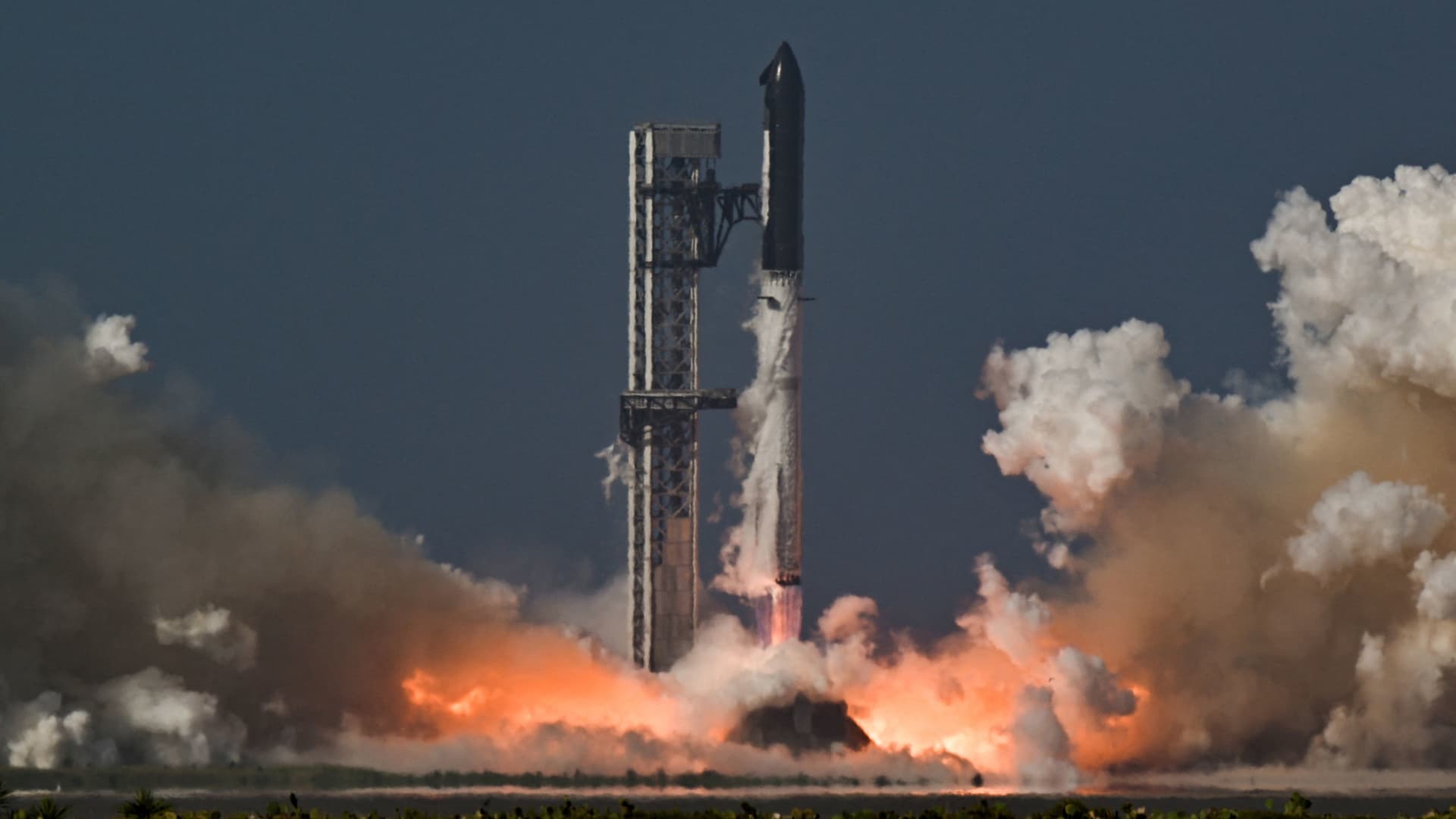
SpaceX executed the thirteenth test flight of its Starship vehicle from Starbase, Texas, marking the first launch since the company’s initial public offering last month. The countdown followed pre-flight holds, including a weather waiver and a pre-ignition abort triggered by unignited engines during an earlier attempt. Engineering interventions required de-stacking the vehicle to replace and test multiple Raptor engines, highlighting the manufacturer’s iterative development model.
Super Heavy Booster Performance and Separation Dynamics
Two minutes into the flight, the Super Heavy booster separated from the upper stage and initiated a controlled trajectory toward the Gulf of Mexico. Telemetry indicated that the landing burn experienced anomalies when only a subset of engines ignited, resulting in a hard splashdown. Despite this touchdown anomaly, the flight yielded critical operational data on separation dynamics and engine relight reliability under flight conditions, essential metrics for achieving full hardware reusability.
Upper Stage Milestones and Payload Objectives
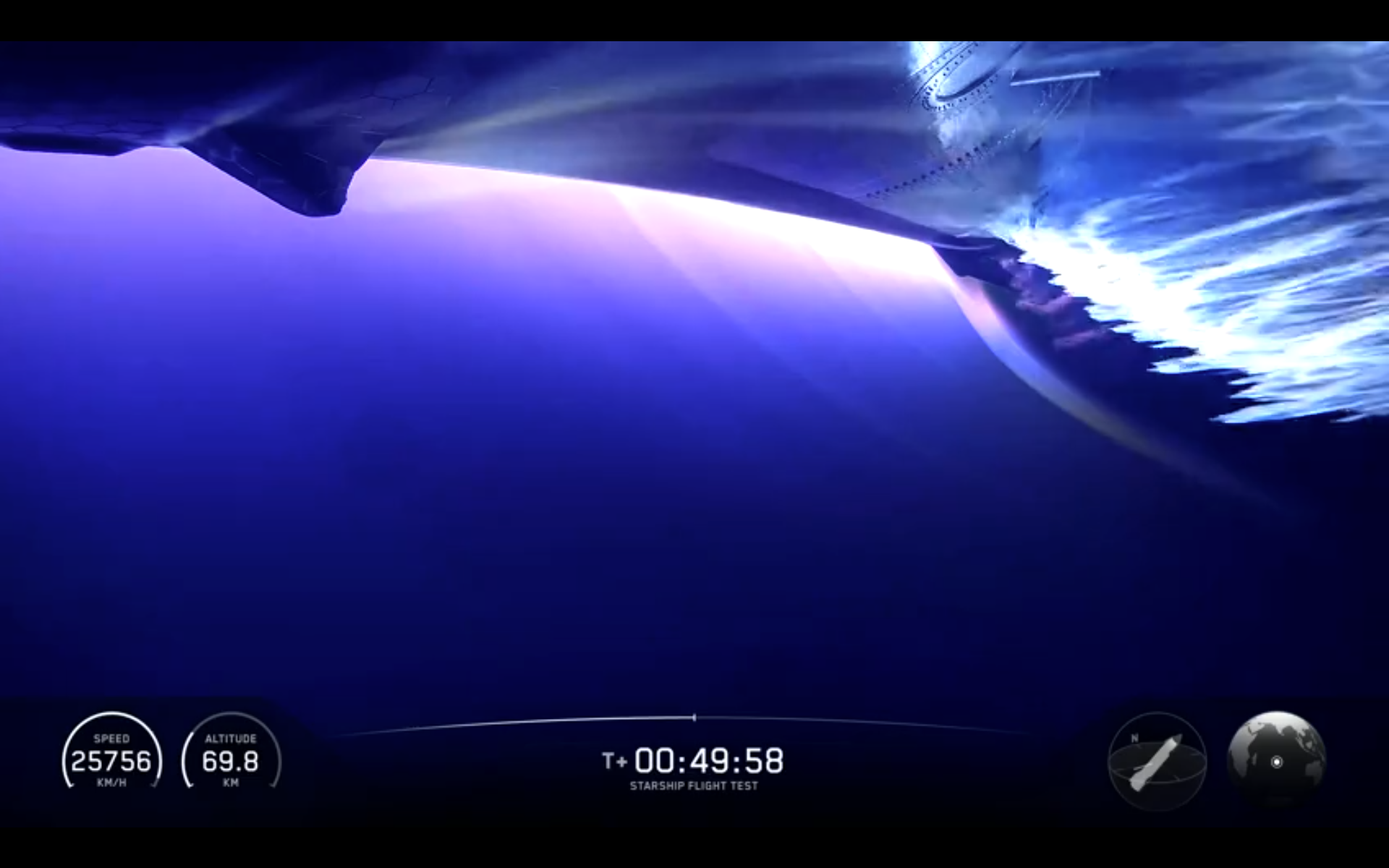
The upper stage continued its trajectory to execute a soft splashdown in the Indian Ocean, coming to rest intact. This allowed engineering teams to inspect an intact heatshield for the first time, validating key thermal protection and aerodynamic designs during orbital reentry. Achieving structural integrity through descent supports institutional goals of reducing cost per orbital payload, a foundational requirement for deploying future Starlink satellite constellations.
Iterative Development and Timeline Adjustments
The path to Flight 13 demonstrated the operational complexities of large-scale aerospace testing. A July 16 launch attempt was aborted due to four unignited engines, while subsequent weather systems, including Tropical Storm Bertha, prompted further delays prior to the July 24 liftoff. The systematic replacement of hardware components, such as Booster 20 and Ship 40, underscores rigorous quality control protocols feeding data directly into the Starship V3 architecture.
Strategic Implications for the Commercial Space Sector
The successful execution of Flight 13 reinforces the commercial viability of fully reusable heavy-lift systems within the global aerospace market. As the largest rocket ever built, Starship influences capital allocation, deep-space logistics, and the economic calculus of orbital deployment. Stakeholders across defense and telecommunications monitor these tests as bellwethers for industry capacity, with empirical splashdown data informing future regulatory reviews and commercial contracts.