The Structural Realignment of Atlante in Liga MX
The return of Atlante to Mexico’s top flight for the Apertura 2026 signifies a strategic realignment of the league’s historical hierarchy. By re-entering the first division, the ‘Potros de Hierro’ reclaim a market position vacant for over a decade, testing the commercial viability of a legacy brand within a modernized sporting economy. This transition is immediate, validated by a return to the Estadio Azteca—a move that carries substantial operational weight and suggests a calculated bet on high-capacity attendance and premium sponsorship opportunities.
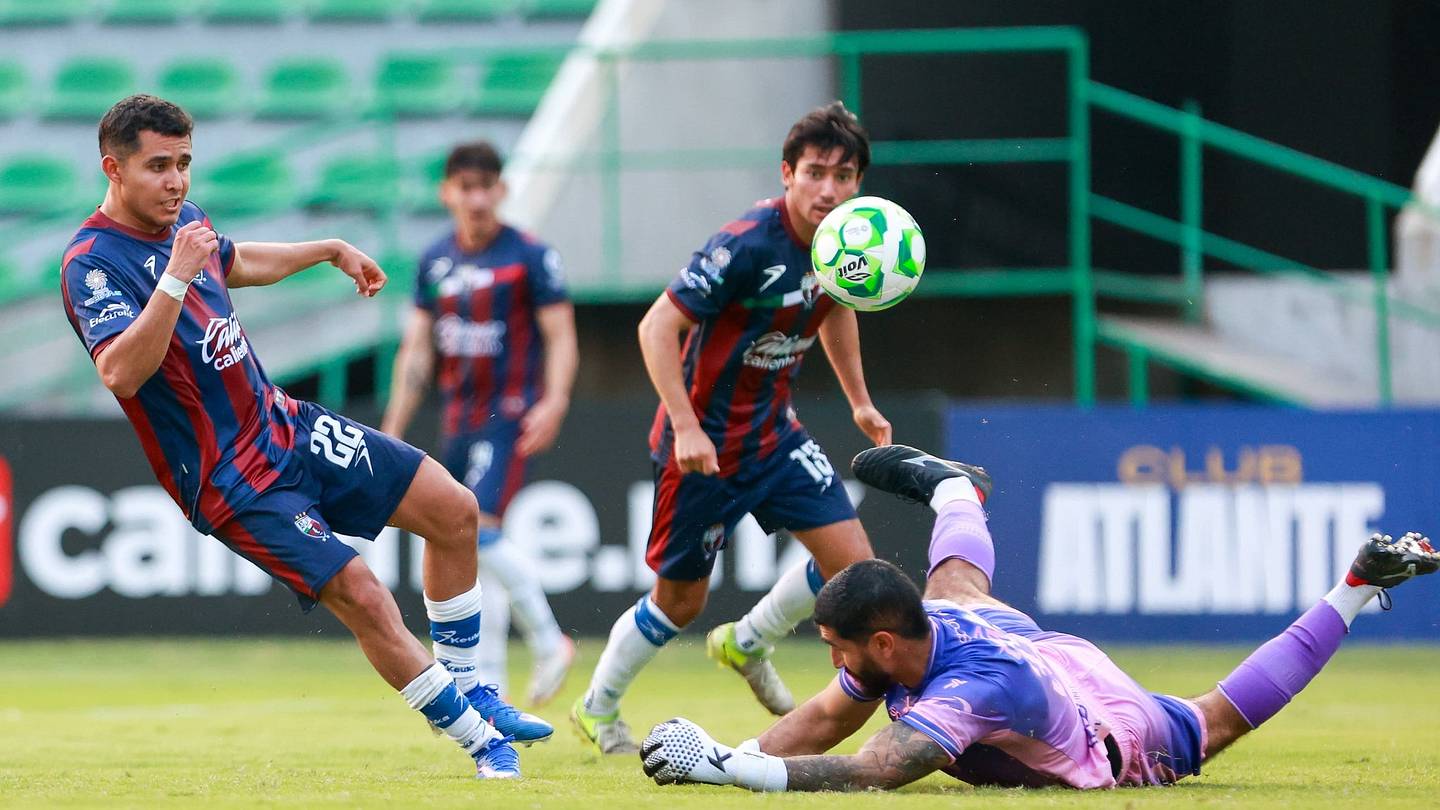
However, early performance metrics underscore the steep competitive curve. Following an opening match loss to Necaxa at the Estadio Victoria, where a lead was surrendered due to defensive instability, Atlante faces the immediate necessity of bridging the tactical gap to ensure long-term stability in the top tier.
The 60-Year Infrastructure Cycle
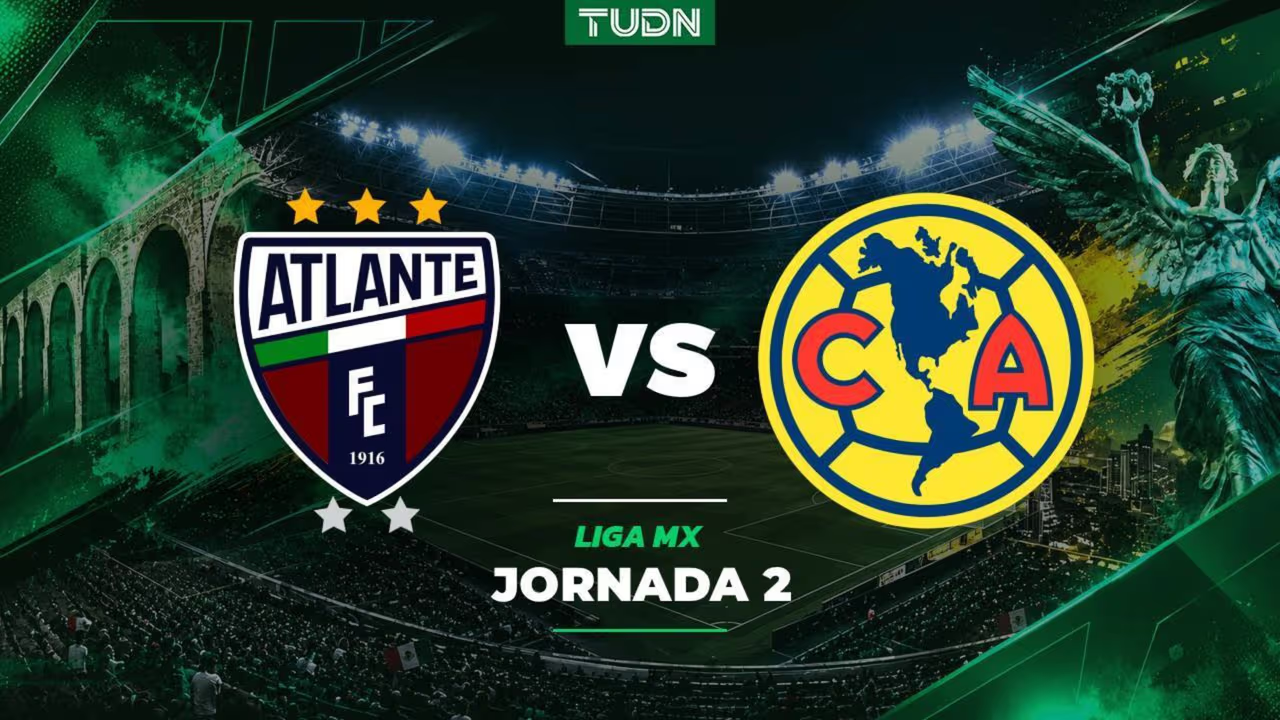
The Apertura 2026 fixture against Club América occurs precisely 60 years after Atlante’s local league debut at the Estadio Azteca on July 24, 1966. This chronological alignment highlights the persistent search for a permanent institutional home for the franchise. While the Azteca was originally a multi-tenant facility, the modern landscape identifies the venue almost exclusively with América and the National Team.
Returning as a tenant (arrendatario) rather than a primary occupant introduces operational constraints, specifically regarding matchday revenue sharing and branding limitations. Atlante must navigate an environment where the visual landscape is dominated by their opponent, creating a complex psychological and strategic backdrop for the Jornada 2 encounter.
Broadcasting Valuation and Media Equity
ESPN’s acquisition of Atlante’s home broadcasting rights indicates a high-value assessment of the club’s historical equity. For international networks, a legacy brand provides a narrative-rich product appealing to both nostalgic domestic viewers and the broader North American market. This partnership is a cornerstone of financial sustainability, providing the capital required to compete with high-budget rosters.
The strategic timing of the América match maximizes media value, pitting a returning power against the league’s most dominant force. This high-stakes broadcast window serves as a litmus test for Atlante’s ability to generate significant ratings in a competitive media landscape.
América’s Tactical Evolution Under Guillermo Almada
Club América enters the Apertura 2026 in a state of transition following the appointment of Guillermo Almada. The departure of André Jardine—despite a historic triple championship—signals an institutional pivot toward international success. Almada’s arrival introduces a high-pressing, aggressive system that will be scrutinized during the Atlante fixture as the squad balances new philosophies with elite expectations.
The decision to replace a triple-champion coach emphasizes the performance pressure at Coapa, where domestic titles are viewed as the baseline. The match serves as a benchmark for Almada to prove his system can maintain domestic superiority while preparing for international objectives.
Operational Pressure and the Multi-Tenant Model
For Atlante, the pressure to secure points is intensified by their initial defeat. In a short tournament, early momentum determines the trajectory toward the Liguilla. The coaching staff must adapt a roster to the expansive spaces of the Azteca while facing América’s depth. The 1-0 loss in 2014, their last top-flight meeting, serves as a reminder of the narrow margins in this historic rivalry.
This return also revives the debate over the multi-tenant stadium model. While single-occupancy identities became the norm after Necaxa and Cruz Azul relocated, Atlante’s re-entry highlights the economic efficiency of utilizing existing top-tier infrastructure. The success of this tenancy will likely influence future Liga MX infrastructure decisions and shared-use agreements in major metropolitan hubs.