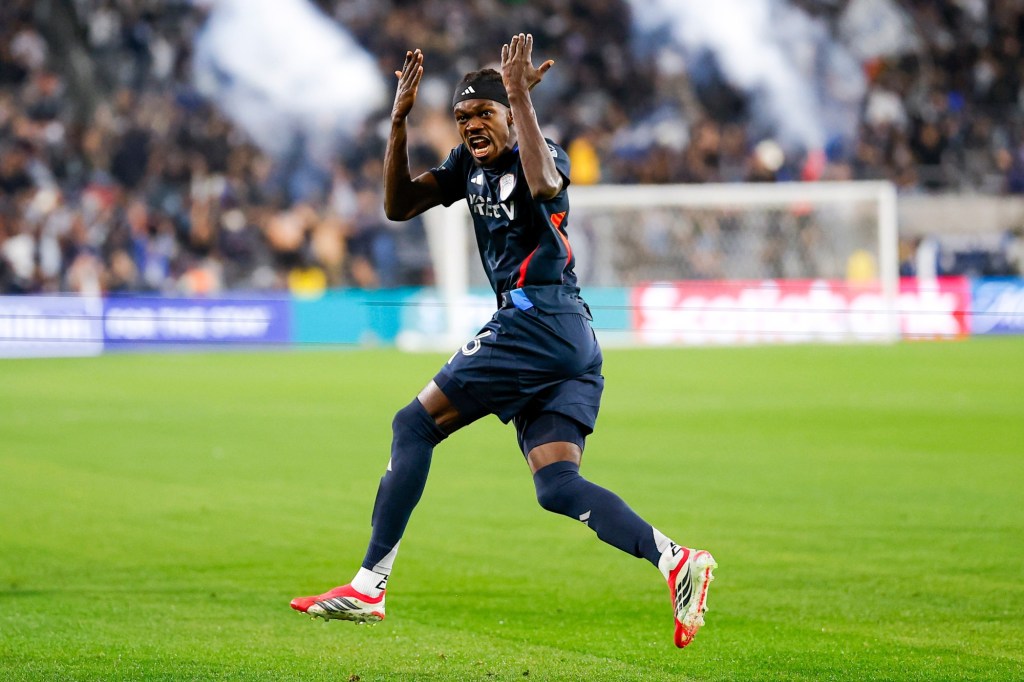
Institutional Maturation in the Second Expansion Phase
San Diego FC has transitioned from its 2025 inaugural expansion season into a sophisticated multi-tournament operational framework in 2026. This evolution marks a significant milestone for the franchise as it manages the administrative and physical burdens of domestic and international competition simultaneously.
The organization, identified by its Chrome-and-Azul visual identity, is currently navigating the complexities of the Concacaf Champions Cup while initiating its second Major League Soccer season. This dual-pathway requires a robust organizational structure capable of supporting high-performance standards across varying geographic and atmospheric conditions.
The Structural Significance of Continental Competition
The Concacaf Champions Cup serves as a critical benchmarking mechanism for North American clubs seeking to validate their institutional strength beyond domestic borders. For a second-year franchise like San Diego FC, participation in this tournament represents a rapid acceleration of its competitive timeline.
Success in this arena is often dictated by a club’s ability to manage the logistical hurdles inherent in international travel and varying regional environments. The club’s recent shift in focus back to its home turf following matches in Mexico City underscores the cyclical nature of continental tournament play and the necessity of specialized recovery protocols.
Tactical Leveraging of Physical Stature
Institutional analysis of the club’s recent performance highlights a strategic emphasis on physical size as a competitive differentiator. By utilizing height and physical presence to its advantage, the club has established a tactical framework that challenges opponents across multiple phases of the game.
In professional footballing structures, physical stature is frequently employed to dominate set-piece scenarios and maintain defensive integrity under high-pressure conditions. This focus on size suggests a deliberate recruitment and developmental strategy aimed at creating a robust on-field identity that can withstand the rigors of multi-league play.
Physiological Demands of High-Altitude Performance
The club’s schedule has recently featured fixtures in central Mexico, located at altitudes exceeding one mile above sea level. These conditions impose significant physiological stress on athletes, requiring advanced conditioning and strategic adaptation from the club’s technical staff.
High-altitude environments affect oxygen transport and recovery rates, making victories in such regions a testament to a club’s preparation and administrative foresight. The ability to secure positive results in Mexico City indicates a high level of institutional readiness regarding sports science and tactical planning for extreme conditions.
The Transition to Sustained Domestic Operations
As the club prepares for its 2026 Major League Soccer opener, the focus shifts to the long-term sustainability of its domestic performance. The transition from an expansion team to an established league entity requires a shift in organizational mindset and roster management.
The management of the 2026 season involves balancing the immediate goals of the Concacaf Champions Cup with the structural requirements of a full MLS calendar. This involves meticulous workload management to prevent the systemic fatigue often associated with second-year professional sports franchises.
Market Positioning and Brand Identity
The Chrome-and-Azul branding of San Diego FC has become a central element of its market presence in the competitive Southern California sports landscape. This identity is not merely aesthetic but serves as a focal point for organizational culture and community engagement as the club enters its second year.
Maintaining momentum following a historic expansion season is essential for the club’s long-term commercial and competitive viability. The club’s ability to remain competitive in international play while preparing for domestic fixtures is a key indicator of its institutional health and administrative efficiency.
Strategic Implications for Future Growth
The current trajectory of San Diego FC suggests a club that is rapidly maturing into a regional power within the North American soccer ecosystem. The integration of high-altitude experience and physical tactical advantages provides a blueprint for how expansion clubs can achieve early success.
Future operational success will likely depend on the club’s ability to continue this integration of physical strategy and logistical excellence. As the 2026 season progresses, the institutional lessons learned during this intensive period of international and domestic overlap will likely inform the club’s long-term strategic planning.
Conclusion of the Current Competitive Cycle
The upcoming match against Pumas represents another critical juncture in the club’s continental campaign and an opportunity to further solidify its reputation. This fixture, combined with the MLS season opener, creates a high-stakes environment that tests every level of the organization.
Ultimately, the performance of San Diego FC in these concurrent competitions will serve as a definitive assessment of its structural strength and tactical adaptability. The organization remains focused on its dual objectives as it navigates the demanding landscape of the 2026 professional soccer calendar.