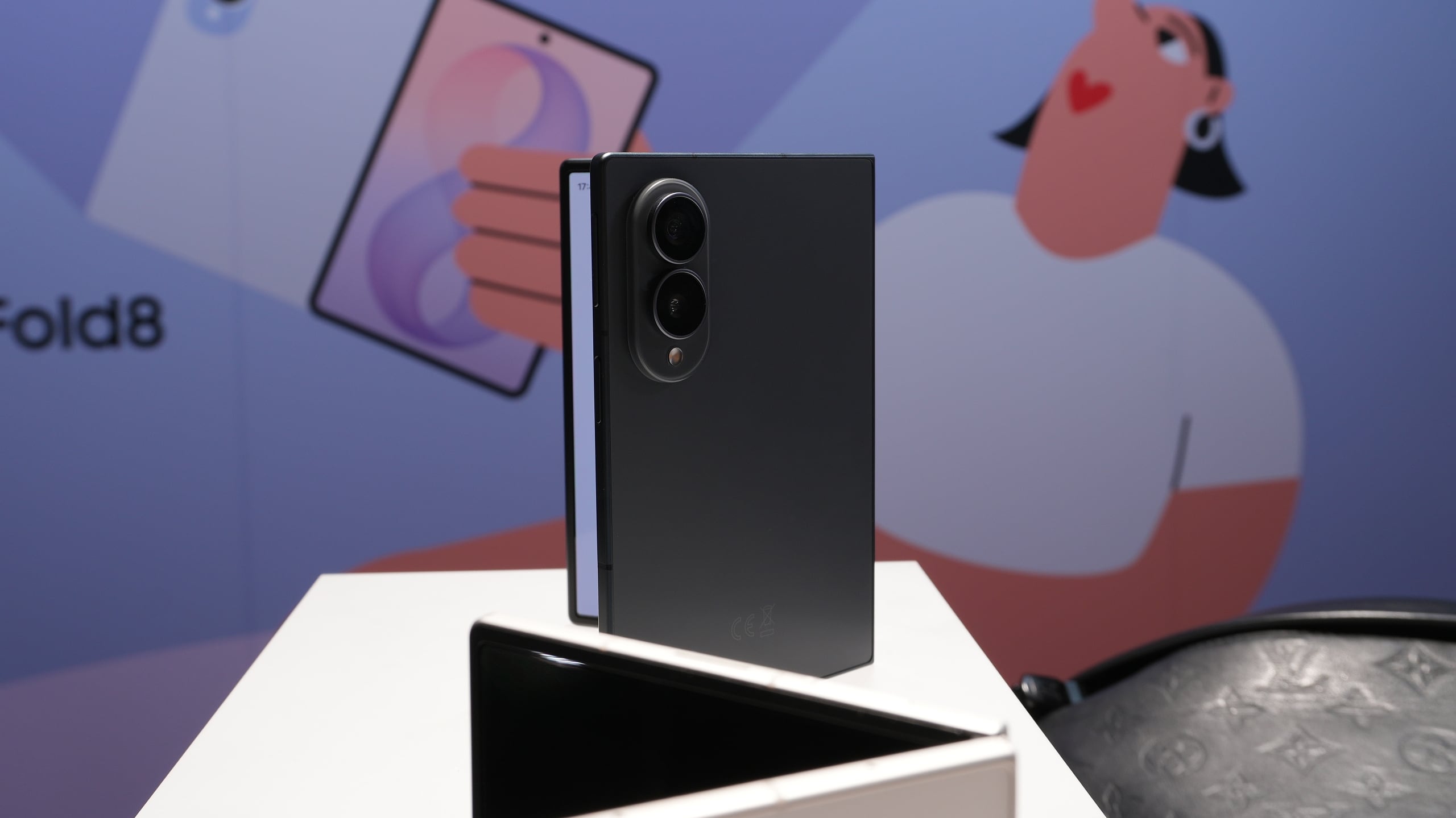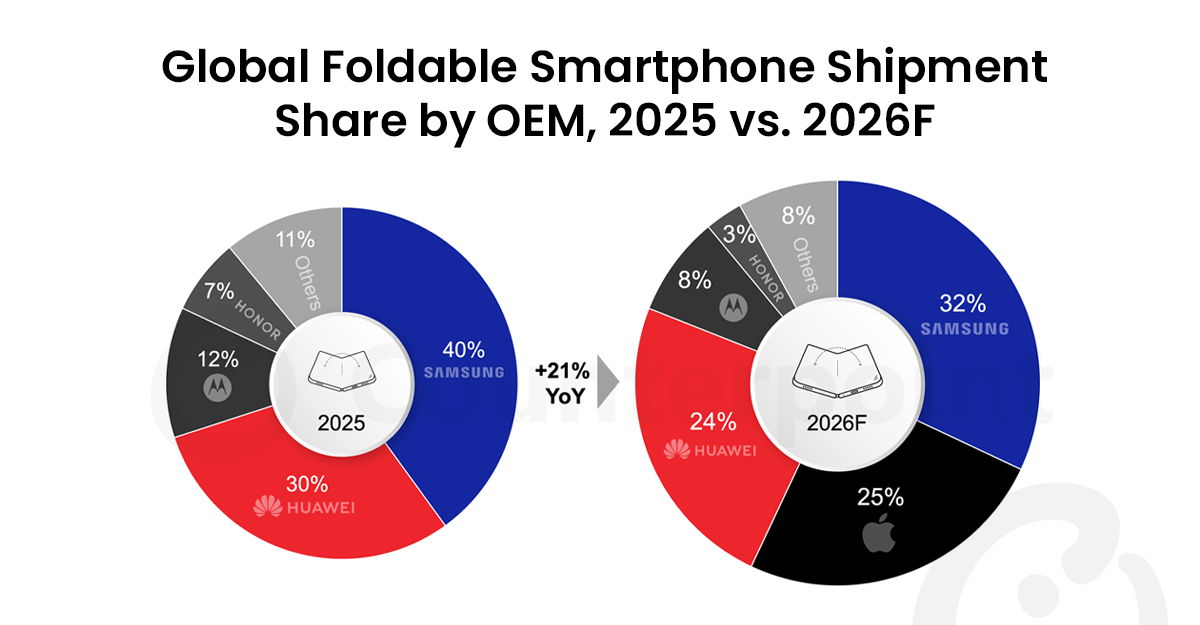
The 2026 smartphone sector is approaching a critical inflection point as Samsung Electronics shifts from pioneering the foldable category to executing a high-stakes market defense. The anticipated July 22 launch of the Galaxy Z Fold 8 marks a transition to a three-tier product architecture. This diversification is a calibrated response to a projected 21% year-over-year growth in global foldable shipments, targeting a broader range of price elasticities to capture emerging premium segments.
Operational Moats and the Seven-Year First-Mover Advantage
CEO TM Roh has identified Samsung’s seven-year developmental lead as a significant institutional barrier for late-market entrants. This advantage extends beyond chronological seniority; it represents an operational mastery over complex supply chain yields and the durability requirements of flexible display technology. By leveraging proprietary manufacturing data, Samsung has established a moat that competitors cannot easily replicate through capital alone, ensuring sustained margin protection during market maturation.
Samsung leadership views Apple’s 2026 entry into the foldable segment as a validation catalyst rather than a purely disruptive threat. With current market penetration hovering around 1%, the arrival of a foldable iPhone is expected to accelerate the transition of flexible form factors from niche enthusiast novelties to mainstream premium standards. This expansion increases the total addressable market (TAM), allowing Samsung to leverage its vertical integration as a component supplier while competing as a hardware OEM.
Strategic Segmentation: The Role of the CX Office
Under Jay Kim, Head of the CX (Customer Experience) Office, Samsung has transitioned its primary success metrics from hardware specifications to ecosystem integration. The introduction of a third, uniquely dimensioned Galaxy Z Fold 8 variant signals a shift toward granular market segmentation. This tiered strategy—likely bifurcating into Standard and Ultra models—allows Samsung to defend its volume leadership against Apple’s first-generation offering while simultaneously pushing the ceiling for ultra-premium productivity devices.
Fiscal Implications and Supply Chain Prioritization
Counterpoint Research analysis, led by Liz Lee, highlights that the 21% growth forecast serves as a crucial signal for capital reallocation. For Samsung, the foldable segment represents a vital hedge against stagnating replacement cycles in the traditional slab smartphone market. Vertical integration through Samsung SDI and Samsung Display allows for rapid prototyping and scaling, a luxury that grants the company a more aggressive launch cadence than competitors reliant on external display vendors.
Ecosystem Impact and Software Standardization
The commitment to multiple foldable models forces a permanent reallocation of R&D resources, effectively finalizing the transition from the legacy Note series to a flexible-first future. This shift mandates that app developers optimize for diverse aspect ratios, further entrenching Samsung’s software standards. By defining the hardware benchmark before Apple’s entry, Samsung aims to ensure that the “foldable experience” remains synonymous with the Galaxy ecosystem, maintaining its position as the industry’s primary platform for mobile innovation.