The Strategic Reconfiguration of Classical Archetypes
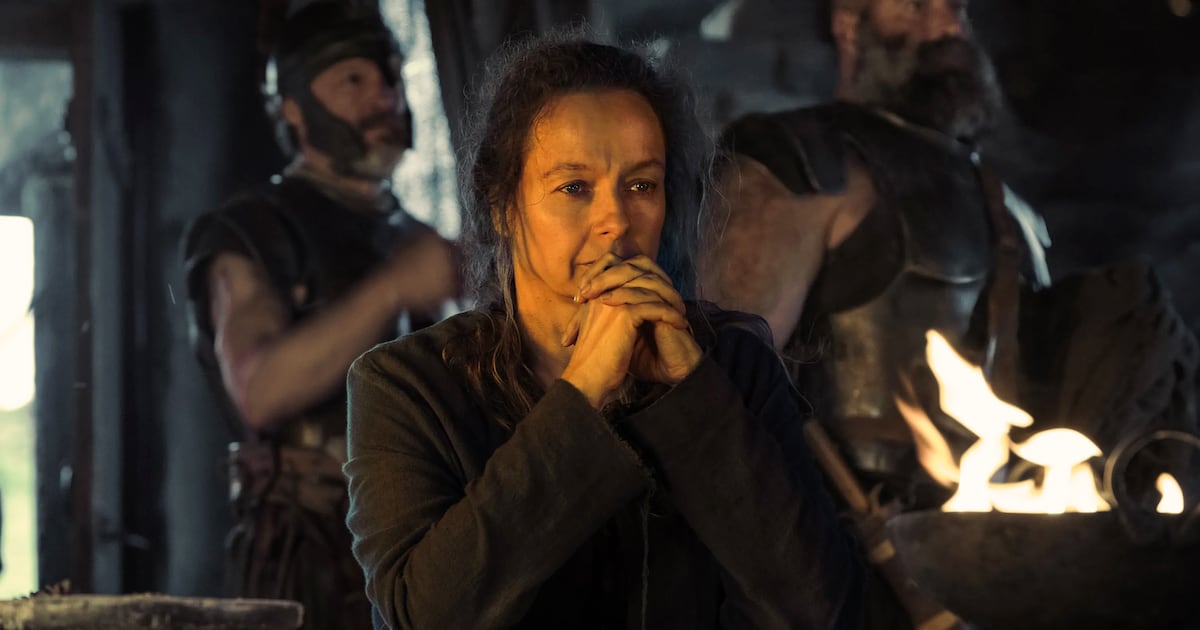
In Christopher Nolan’s The Odyssey, Samantha Morton’s portrayal of Circe marks a calculated departure from traditional Homeric characterization. By stripping away the ‘temptress’ trope, the production shifts the focus toward a granular exploration of power dynamics within a high-stakes mythological framework. This creative pivot anchors the narrative in contemporary psychological realism, transforming a brief ten-minute sequence into a structural nexus that challenges gendered expectations in ancient conflict.
Methodological Realism in Character Development
Morton synthesizes her personal background with the character’s narrative requirements, reframing Circe’s magic not as supernatural caprice, but as a tactical safeguard against sexual violence. By operationalizing this trauma as a defensive posture, Morton effectively critiques the systemic exploitation of women in historical warfare, elevating Circe from a passive mythological obstacle to a proactive agent of self-preservation.
The Economics of Narrative Leverage
The film illustrates the strategic utility of high-impact, short-duration performances. Despite limited screen time, Morton’s command of the scene functions as a narrative anchor, maximizing the production’s emotional ROI. By focusing on a single, high-tension encounter between Circe and Eurylochus, Nolan bypasses the dilution of character arcs typical of sprawling epics, ensuring a dense, high-value delivery that heightens the stakes for the entire film.
Deconstructing the Hero’s Journey
Nolan’s direction forces a necessary re-evaluation of the traditional protagonist-centric model. By framing the starving, exhausted crew as inherent threats, the film shifts the competitive focus from physical combat to psychological negotiation. This structural choice highlights the power imbalance, positioning the sorceress not as a villain, but as a realist navigating a hostile masculine environment.
Conclusion: Setting the Standard for Modern Adaptation
The collaboration between Nolan and Morton offers a template for future classical adaptations, proving that prioritizing thematic depth over superficial spectacle yields greater cultural resonance. By grounding the fantastical in human experience, the production avoids common genre abstractions, setting a rigorous new standard for translating antiquity for modern audiences.