‘Obsession’ Box Office Triumph and Strategic Distribution Shift
Curry Barker’s ‘Obsession,’ an indie horror film, has achieved exceptional commercial viability, amassing over $400 million globally since its May theatrical debut. This significant breakout performance transcends traditional expectations for independent cinema, profoundly affirming the horror genre’s enduring mainstream appeal and formidable financial power. The film’s robust box office performance signals a strategic sweet spot where effectively executed genre filmmaking can rival returns typically associated with larger studio productions, drawing substantial attention from investors and distributors to this lucrative niche.
Accelerated Windowing Strategy and Revenue Maximization
Post-theatrical, ‘Obsession’ executed a sophisticated accelerated windowing strategy, transitioning swiftly to PVOD platforms like Amazon Prime Video and Apple TV, merely two weeks prior to its exclusive Peacock streaming premiere. This deliberate sequence maximizes monetization across distinct consumer segments: first capturing premium early-adopter revenue from PVOD, then leveraging the film’s established popularity to enhance Peacock’s subscription value proposition. This multi-stage distribution model strategically optimizes the film’s financial lifecycle by diversifying income streams, mitigating risk, and adapting directly to contemporary consumer preferences for flexible, rapid-access viewing. It exemplifies a revenue-stacking approach where each window builds upon the last, extracting maximum value from theatrical buzz to direct-to-home consumption.
Peacock’s Strategic Content Acquisition and Subscriber Leverage
Peacock’s acquisition of ‘Obsession’ as an exclusive streaming title represents a pivotal strategic move, significantly bolstering its content library given the film’s proven box office success and considerable online buzz. This integration of a high-performing, culturally relevant horror title directly enhances Peacock’s competitive standing, serving as a potent draw for new subscribers and a critical retention tool for existing ones, particularly within the horror demographic. The platform’s tiered subscription model (Premium ad-based, Premium Plus ad-free, and a Select $8-per-month option alongside $11/$17 tiers) strategically leverages ‘Obsession”s appeal. This pricing flexibility, coupled with compelling exclusive content, caters to diverse consumer price sensitivities, thereby maximizing average revenue per user (ARPU) through combined subscription fees and advertising impressions, essential for sustained growth in the hyper-competitive streaming landscape.
Talent Exposure and Brand Building in the Digital Age
Beyond financial metrics, ‘Obsession”s success has profoundly elevated the profiles of its lead actors, Michael Johnston and particularly Inde Navarrette, whose “star-making performance” grants increased leverage for future roles and project financing. For writer-director Curry Barker, the film solidifies his reputation for delivering commercially successful and critically engaging genre content, opening doors for larger productions and greater creative autonomy, thus shaping the trajectory of emerging directorial talent. The compelling narrative, centered on the ‘One Wish Willow’ toy, has generated extensive organic online discussion and theory-crafting. This audience engagement transcends passive consumption, becoming a powerful digital marketing channel that fosters a dedicated community, extends the film’s cultural footprint, and crucially, cultivates long-term intellectual property (IP) value, paving the way for potential sequels, spin-offs, or merchandise.
Competitive Landscape and Evolving Industry Paradigms
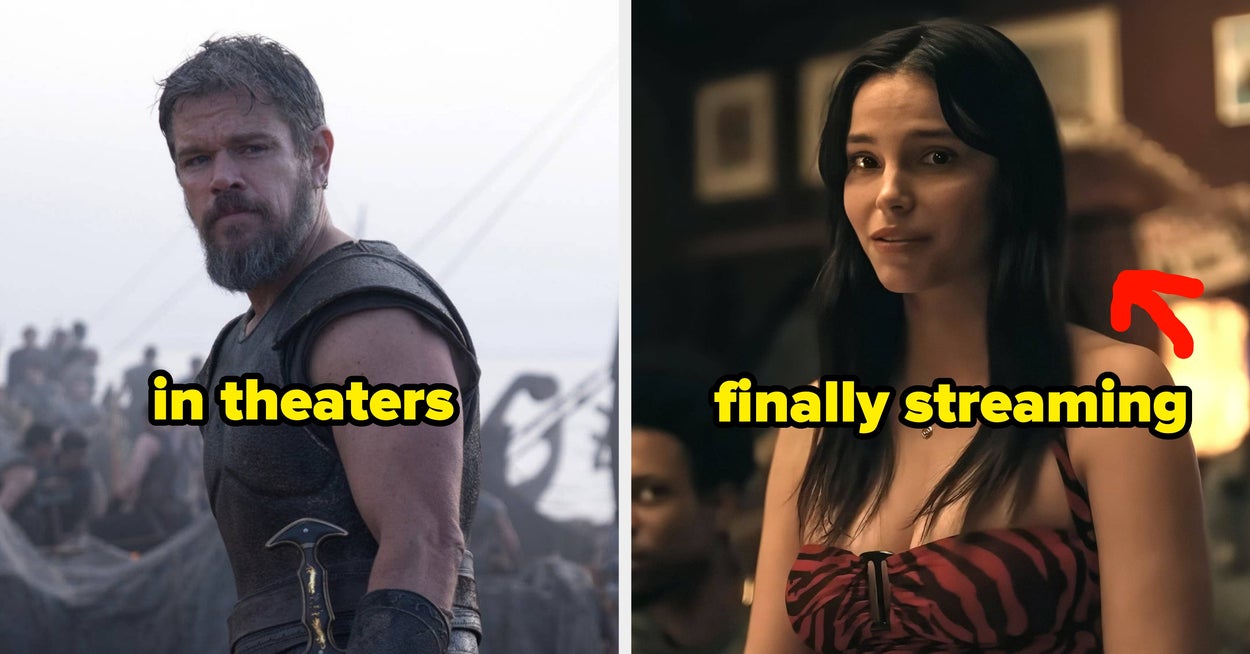
The strategic, hybrid release of ‘Obsession’ epitomizes a significant industry recalibration, reflecting a permanent departure from traditional, longer theatrical exclusivity windows in favor of agile, multi-platform content delivery. Its success provides a robust blueprint for how mid-budget and independent films can thrive amidst this evolving paradigm. Juxtaposed with event-driven blockbusters like ‘The Odyssey’ (a ‘monumental movie that Nolan pulls off masterfully’), ‘Obsession’ demonstrates the potent commercial and cultural impact achievable through focused genre storytelling and innovative distribution. This dual market reality underscores the competitive intensity within the broader streaming ecosystem, where securing high-demand, exclusive content like ‘Obsession’ directly enhances a platform’s ability to challenge established giants and capture specific audience demographics, particularly within the horror space.
Economic Leverage and Future Trajectories for Genre Filmmaking
The $400 million box office achievement of ‘Obsession’ provides substantial economic leverage, validating increased investment in the horror genre—once perceived as niche but now undeniably capable of mainstream appeal and significant financial returns. This benchmark influences capital allocation, encouraging further investment in high-concept, cost-effective horror narratives that prioritize creative ingenuity over colossal budgets. The film’s strategic placement on Peacock further exemplifies the evolving symbiotic relationship between theatrical exhibition and digital distribution, a cornerstone of modern media economics. ‘Obsession”s success solidifies the hybrid model as a viable and preferred pathway, directly informing future distribution strategies for Blumhouse-affiliated projects and other genre films. Its sustained online engagement and cultural resonance transcend immediate metrics, cultivating long-term IP value through potential spin-offs, merchandise, or themed experiences. Ultimately, ‘Obsession’ stands as a compelling case study: a well-executed film whose dynamic, multi-faceted distribution strategy achieved profound commercial success and cultural impact, offering critical insights into the strategic decisions shaping the entertainment industry’s future amidst rapid change.