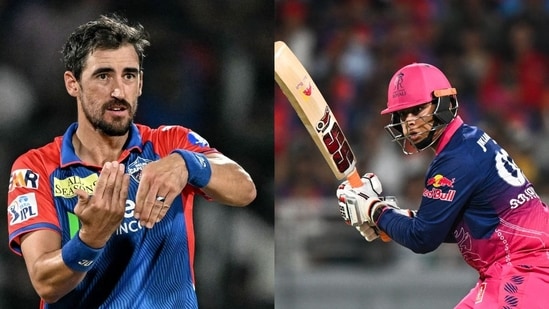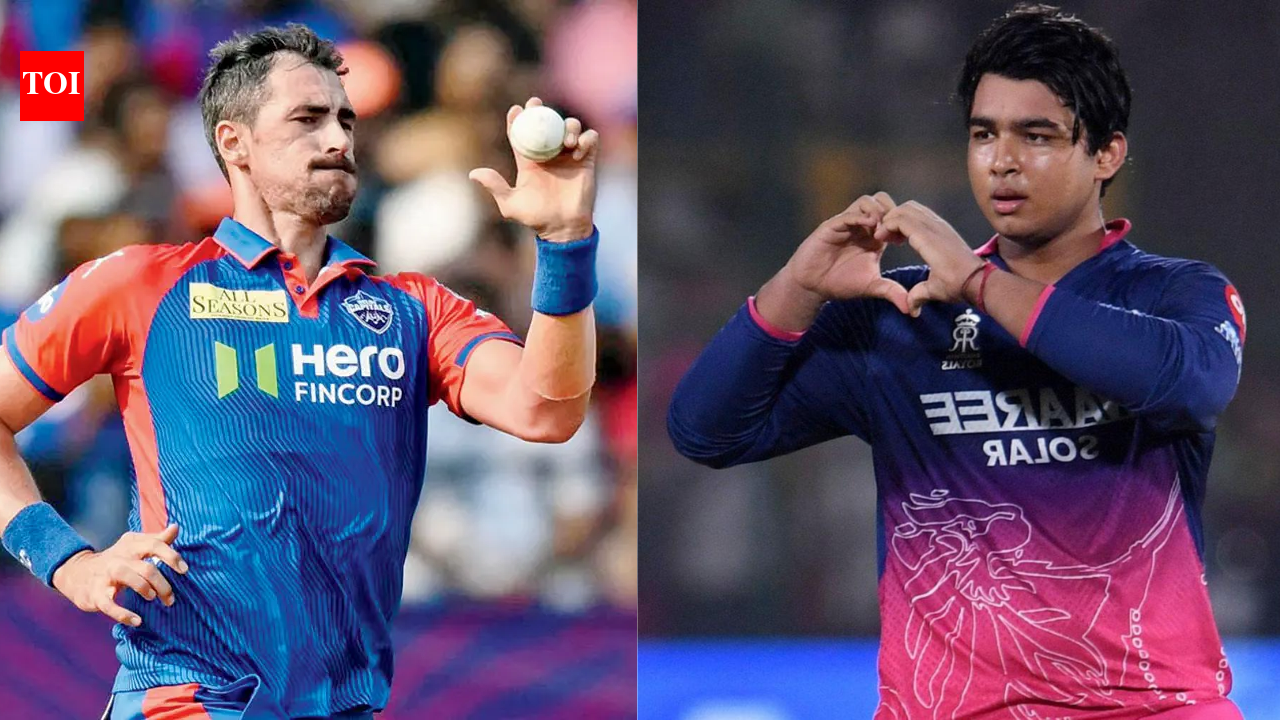
The upcoming IPL 2026 fixture between Rajasthan Royals (RR) and Delhi Capitals (DC) at the Sawai Mansingh Stadium presents a compelling study in performance variance. Rajasthan enters this phase with a robust competitive moat, sustained by a successful 223-run chase against Punjab Kings. Conversely, Delhi faces an institutional imperative to recover from a systemic collapse—having been dismissed for 75 by RCB—testing their psychological resilience and technical discipline.
Delhi Capitals: Tactical Recalibration and the Starc Variable
Delhi’s recent 9-wicket defeat highlighted a critical vulnerability in their powerplay strategy. The reintegration of Mitchell Starc, following medical clearance from Cricket Australia for shoulder and elbow rehabilitation, is the primary lever for Delhi’s defensive pivot. Starc’s return introduces an elite left-arm over-the-wicket angle designed to disrupt Rajasthan’s top-order rhythm.
The efficacy of this maneuver depends on Starc’s immediate match rhythm. While his 2024 championship pedigree offers a psychological deterrent, his physical toll necessitates a nuanced risk assessment. If Starc lacks line discipline, Delhi’s bowling unit—already under pressure—will struggle to contain a Rajasthan side optimized for high strike rates across all three phases of the innings.
Rajasthan Royals: Structural Depth and ‘Reputation-Blind’ Aggression
Under Riyan Parag’s leadership, Rajasthan has developed a highly specialized roster. The high-velocity battery of Jofra Archer and Nandre Burger, complemented by the spin duo of Ravi Bishnoi and Ravindra Jadeja, provides a versatile defensive architecture. This structural depth allows Rajasthan to absorb top-order volatility, a luxury Delhi currently lacks.
The focal point of Rajasthan’s offensive is 15-year-old Vaibhav Sooryavanshi. His performance metrics against elite pacers like Jasprit Bumrah suggest a technical maturity that disregards bowler reputation. Sooryavanshi’s propensity to attack from the first delivery serves as a strategic disruptor, forcing opposition captains to deviate from established powerplay blueprints.
The Geometry of the Duel: Veteran Precision vs. Youthful Audacity
The core tactical conflict centers on the left-arm geometry of Mitchell Starc versus the modern bat-speed of Sooryavanshi and Yashasvi Jaiswal. Starc’s historical strength lies in late swing into the left-hander; however, Sooryavanshi’s lack of ‘reputation fear’ and early length recognition creates a volatile matchup where any lack of precision from the veteran will be exploited.
Environmental factors at the Sawai Mansingh Stadium will further dictate the tactical execution. With the toss scheduled for 7:00 p.m., the impact of dew on bowling control—particularly for DC’s Axar Patel and RR’s spin contingent—will be a decisive variable in the win probability matrix. Rajasthan enters as favorites due to scoring consistency and home advantage, but Starc’s re-entry provides Delhi with a unique, if unproven, path to parity.
Conclusion: Institutional Development vs. Scouting Innovation
This match serves as a case study for two different franchise philosophies: Rajasthan’s reliance on data-driven scouting and youth integration (Sooryavanshi) versus Delhi’s reliance on high-value international assets (Starc) to stabilize a fluctuating season. The outcome will define the mid-season trajectory for both franchises as they vie for playoff viability in the 2026 hierarchy.