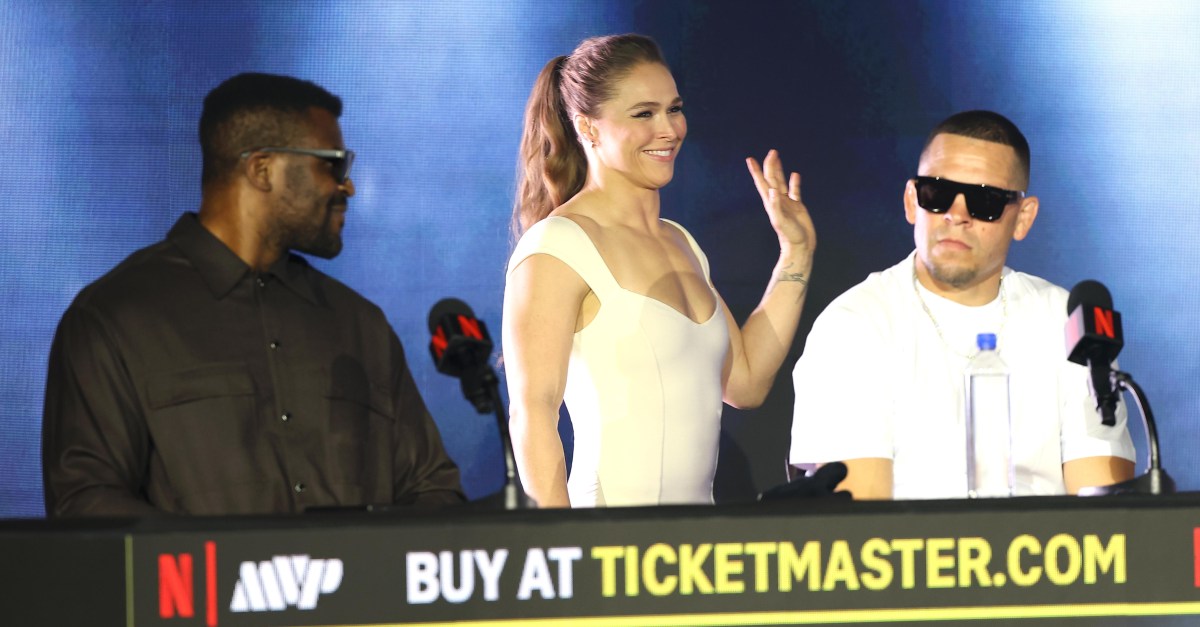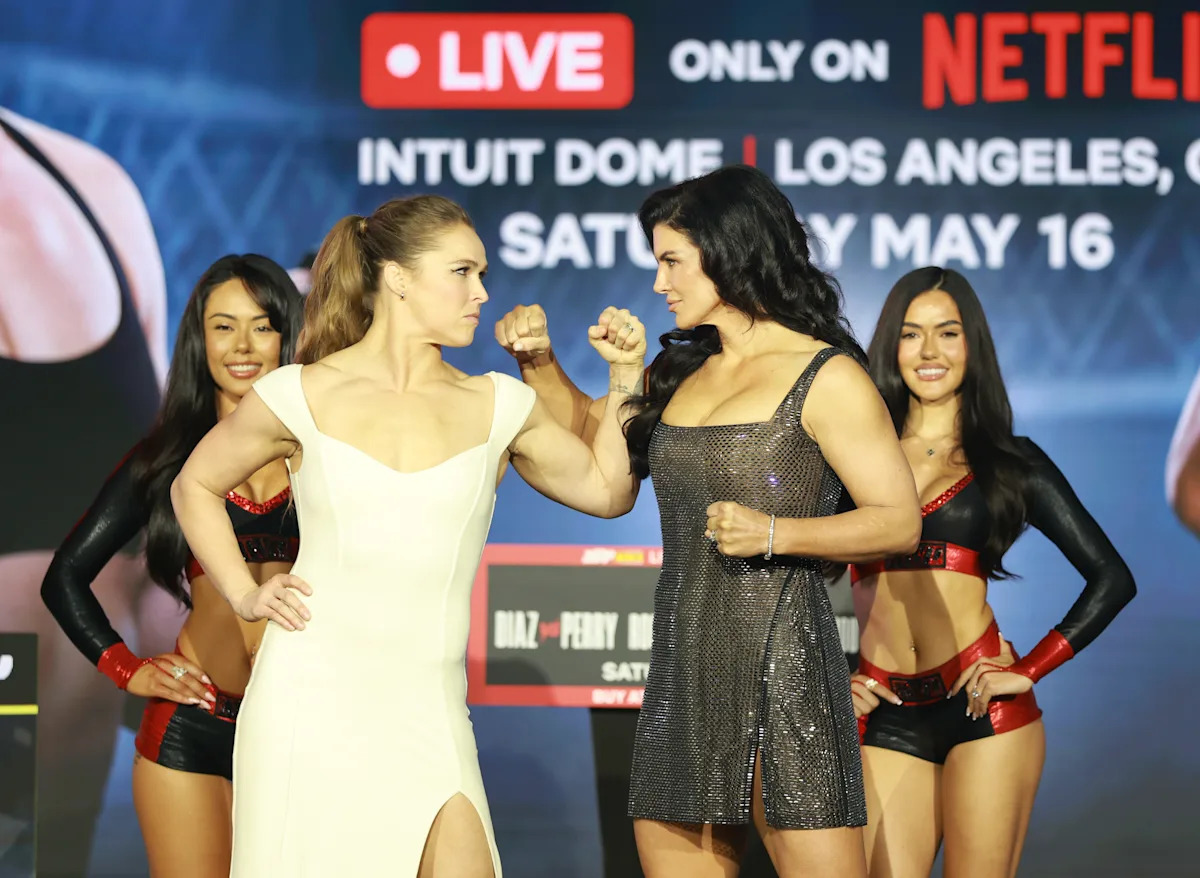
The scheduled confrontation between Ronda Rousey and Gina Carano on May 16 at the Intuit Dome signifies an inflection point in the combat sports economy. By hosting its inaugural live MMA event, Netflix is not merely reviving a legacy rivalry; it is executing a strategic disintermediation of the traditional pay-per-view (PPV) model, leveraging its global subscriber base to challenge the hegemony of established fight promotions.
Institutional Disruption and SVOD Integration
Netflix’s transition from an asynchronous content library to live sports broadcasting aims to mitigate subscriber churn through ‘appointment viewing.’ This partnership with Most Valuable Promotions (MVP) utilizes the platform’s 260+ million global reach to bypass cable-era gatekeepers. Financially, this replaces the fractured revenue-sharing of PPV with a direct-to-consumer framework, potentially revaluing media rights across the entire sports landscape.
Technical Parameters and Physiological Hedging
The bout’s specification—contested at 145 pounds over five five-minute rounds—reflects a calculated approach to high-performance management. By opting for the featherweight limit, both athletes circumvent the metabolic hazards of aggressive weight cutting common in their prime. For Rousey, returning from a decade-long hiatus since her 2016 loss to Amanda Nunes, the five-round duration serves as a rigorous test of endurance against the sport’s modernized defensive grappling standards.
The Proliferation of Athlete Autonomy
The inclusion of Francis Ngannou and Nate Diaz underscores a growing trend toward ‘portable brand equity.’ Ngannou’s return against Philipe Lins, post-UFC departure, validates the free-agent model in a heavyweight market once defined by monopsony power. Similarly, Diaz’s matchup against Mike Perry demonstrates that elite talent can now command premium digital real estate without being tethered to a specific promotional banner or institutional ranking system.
Legacy Preservation and Market Sentiment
Historically, Carano served as the foundational archetype for women’s MMA, while Rousey catalyzed its mainstream integration. Their meeting in 2026 resolves a long-standing ‘what-if’ scenario that has persisted since Carano’s transition to the film industry. While the technical landscape has evolved significantly during their absence, the commercial viability of their rivalry remains high, driven by nostalgic demand and the prestige of the state-of-the-art Intuit Dome venue.
Conclusion: A New Valuation for Media Rights
This event serves as a high-stakes proof of concept for the future of streaming. Should viewership metrics meet expectations, the resulting shift in capital toward tech-centric broadcasters will likely trigger a fragmented but more competitive promotional environment. The May 16 card is more than a sporting event; it is a structural re-engineering of how combat sports are financed, distributed, and consumed globally.