The Psychological Divergence of the 148-Day Cycle
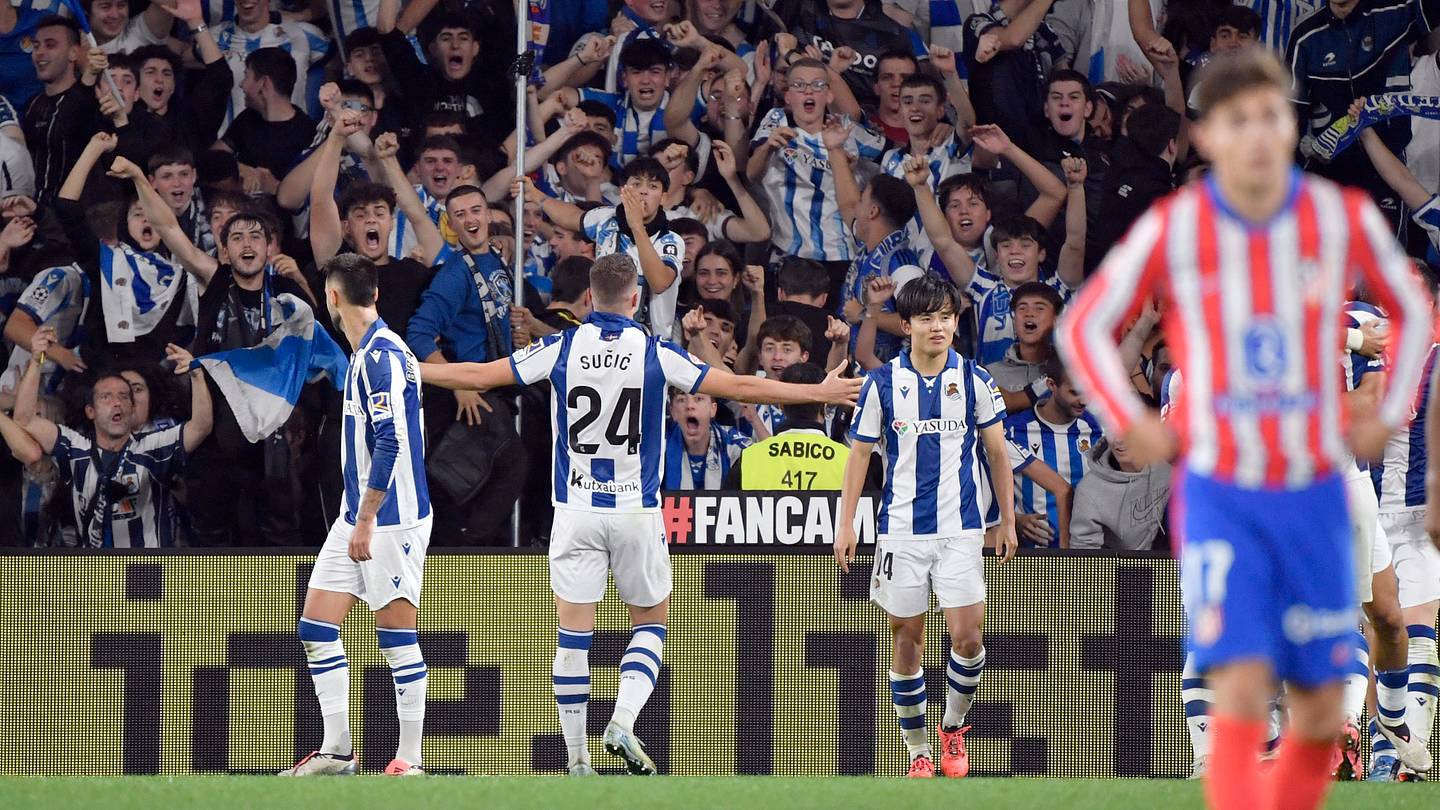
The fixture at Anoeta is underpinned by the residual impact of the April 18 Copa del Rey final. For Real Sociedad, that penalty shootout victory acted as a catalyst for institutional stability, providing Pellegrino Matarazzo with the political capital necessary to navigate early-season volatility. Conversely, for Atlético Madrid, the loss in Seville remains an unresolved trauma that has hindered the integration of their 2026/27 squad renovations.
Dissecting Atlético’s Structural Vulnerabilities
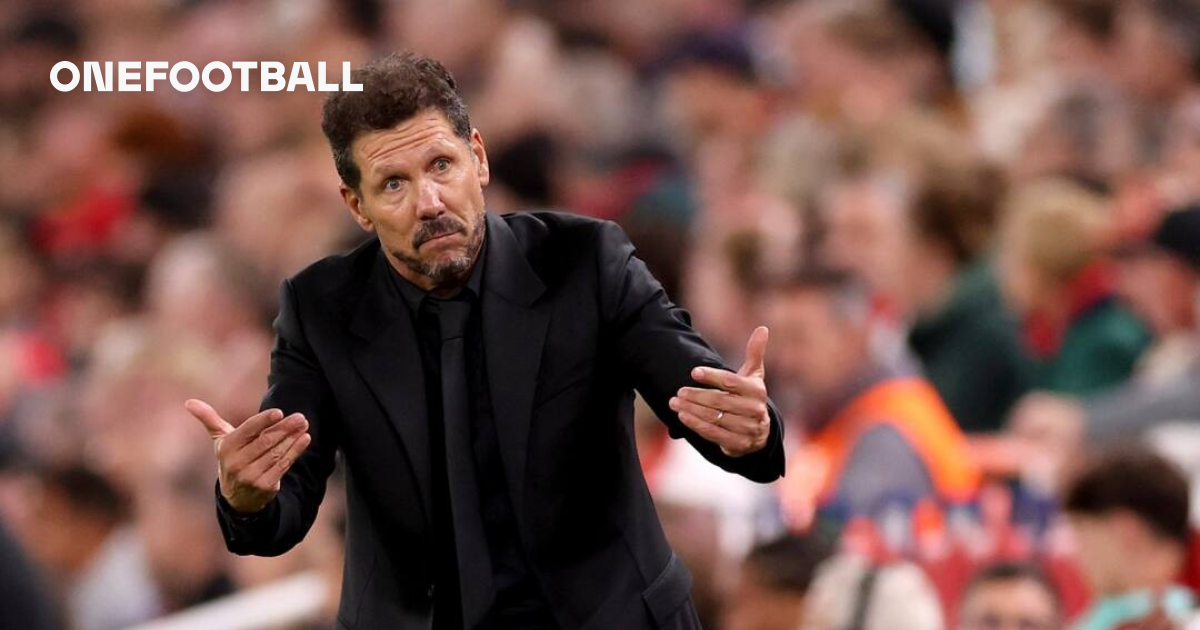
Diego Simeone’s side arrives in San Sebastián grappling with a ‘mini-crisis’ defined by defensive de-synchronization. The 3-0 loss at San Mamés and the 2-1 Champions League reversal at Anfield reveal a breakdown in the team’s signature low-block cohesion. Despite individual contributions from Marcos Llorente, the collective inability to manage game states after taking the lead suggests a failure in tactical discipline during high-leverage transitions.
Real Sociedad’s Tactical Recalibration
After early-season defeats to Real Madrid and Betis, Real Sociedad has transitioned from a post-championship hangover to operational equilibrium. Matarazzo’s recent victory over Elche showcased a more pragmatic positioning of the midfield, intended to mitigate the risks of high-press exposure. This stabilization is timed to exploit Atlético’s current lack of confidence in their defensive rotations.
Midfield Friction and Positional Superiority
The tactical battle will likely hinge on the interaction between Atlético’s evolving midfield—burdened by the need to justify significant summer expenditure—and Real Sociedad’s established verticality. The Basque side’s familiarity with high-pressure environments, honed during their cup run, provides a composure that contrasts sharply with Atlético’s current frantic defensive recovery phases.
Strategic Implications for the 2026/27 Projection
A third consecutive defeat for Atlético would signal a systemic failure, potentially forcing a premature reassessment of the current sporting project. For Real Sociedad, securing points against a primary rival for European qualification would validate their long-term growth model and solidify their status as a tier-one domestic power, independent of the traditional LaLiga duopoly.