Olympic Ceremonial Role and Institutional Context
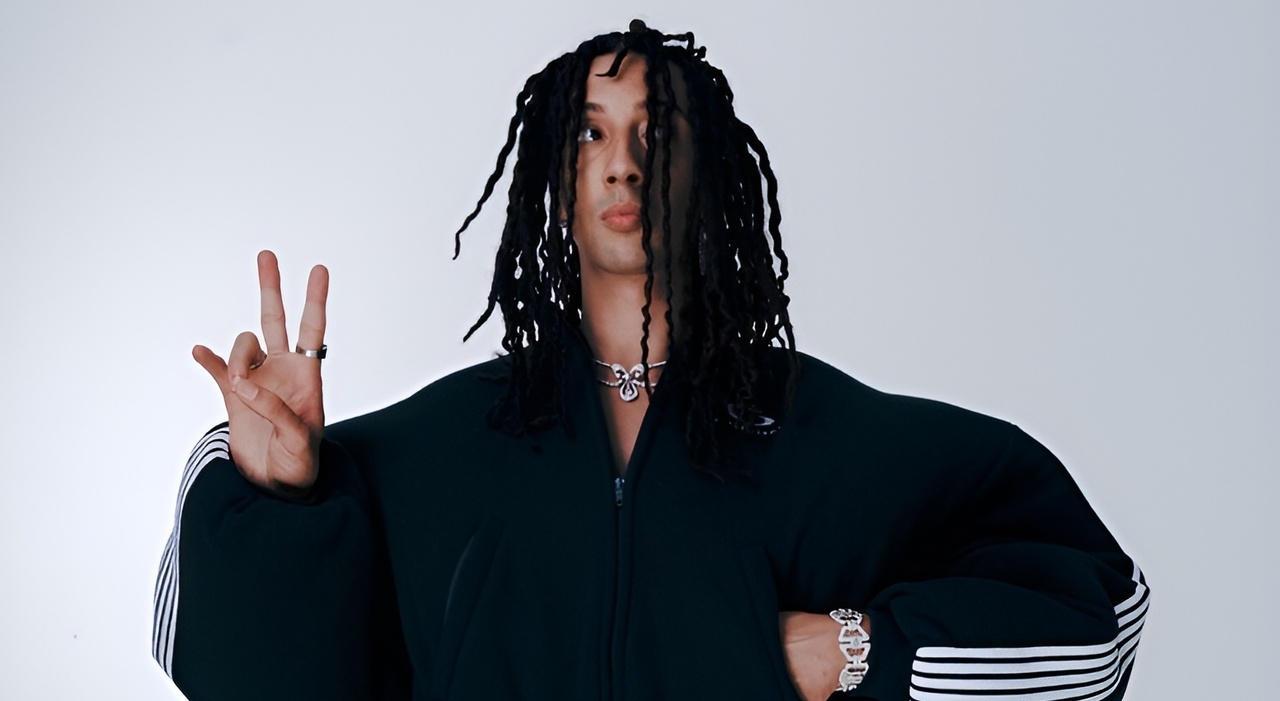
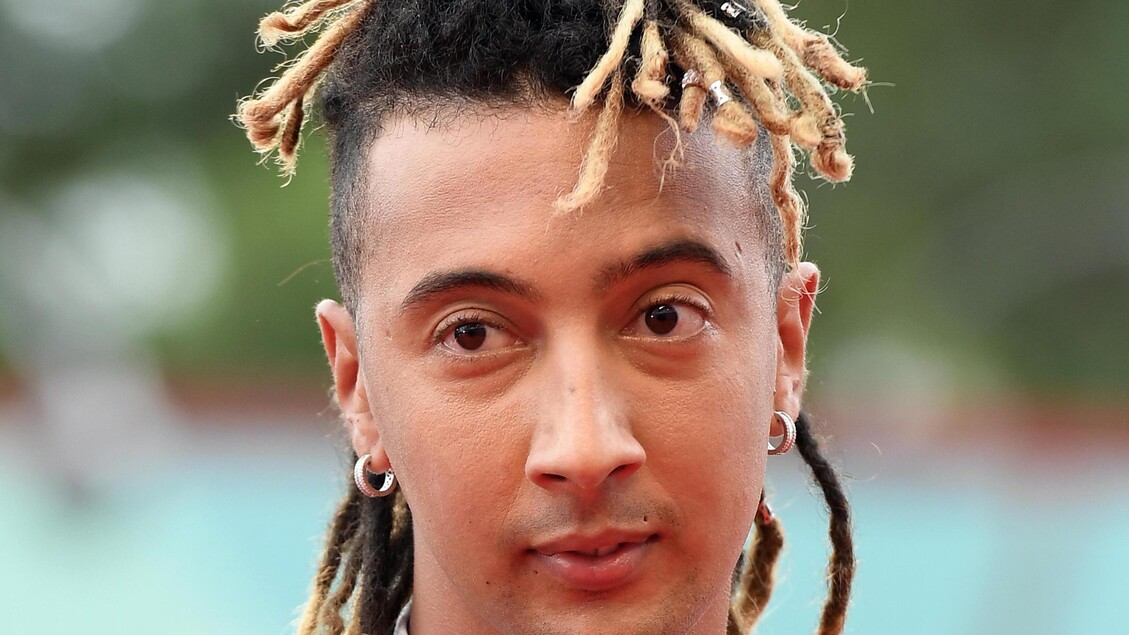
The Milano-born rapper, identified as Ghali, is scheduled to participate in the opening ceremony for the Milano Cortina 2026 Winter Olympic Games, an event scheduled for Friday, February 6th.
Ghali’s scheduled appearance carries an implicit institutional expectation to represent themes of inclusivity, unity, and peace through his performance. Such high-profile cultural contributions are integral components of the organizing committee’s strategy to frame the international sporting event as a moment of broad societal cohesion.
The Significance of Ceremonial Programming
International sporting events like the Winter Olympics rely heavily on opening and closing ceremonies to establish the host nation’s narrative for a global audience. These ceremonies are carefully curated platforms where cultural representation intersects with official state messaging and international diplomacy.
The selection of artists, particularly those with diverse cultural backgrounds, serves to project a specific image of the hosting entities—in this case, the organizing bodies for Milano Cortina 2026—regarding contemporary societal values. The deployment of artistic performance as a tool for projecting unity is a standard administrative practice in major event management.
Debate Surrounding National Anthem Recitation
Ghali has reportedly expressed a specific constraint regarding the execution of his performance, noting his inability to recite sections of the Italian national anthem in the Arabic language. This statement brings into focus the administrative and policy frameworks governing the performance of national symbols during internationally televised events.
The protocols surrounding the performance of national anthems are typically governed by national legislation, internal organizing committee guidelines, or established protocol manuals designed to maintain symbolic fidelity to state sovereignty and constitutional representation. These rules dictate acceptable variations or adaptations, particularly when an artist’s personal identity or heritage might suggest alternative expressive forms.
The Role of Cultural Expression in Olympic Structures
The tension articulated by Ghali highlights the structural friction that can emerge between artistic freedom, personal identity, and the rigid requirements of state protocol, especially within a setting as formally structured as an Olympic opening ceremony. The national anthem functions as a primary signifier of national identity within the international sporting arena.
Any deviation from established performance standards for such emblems requires authorization or adherence to pre-approved frameworks established by the relevant organizing bodies. The reported inability to incorporate Arabic suggests that the existing operational guidelines for the ceremony did not accommodate the proposed linguistic variation in the performance of the national text.
Contextualizing Ghali’s Artistic Output
The reported context also notes the simultaneous release of new musical material by the rapper, specifically a single titled ‘Basta,’ which reportedly initiates with the phrase ‘Basta; basta; free tutti i mar.’ While the exact context of this lyrical content is not fully specified by the source data, the timing positions the artist’s personal and professional output directly alongside his high-profile ceremonial commitment.
In industry terms, the strategic timing of a major release coinciding with a peak media moment is a standard commercial synchronization tactic. However, when integrated with a state-sanctioned event, this dual activity forces a direct juxtaposition between the artist’s commercial messaging and the mandated ceremonial messaging.
Structural Implications for Event Legacy
The debate over language in a performance setting, even if limited to a single artist’s articulation of regret rather than an actual alteration of the established program, becomes a point of analysis regarding the perceived inclusivity of the event itself. The organizers of Milano Cortina 2026 are under scrutiny, through the lens of media reporting, to demonstrate adherence to the stated messages of unity they promote.
When an invited artist communicates perceived limitations on their ability to express inclusive messages through established symbolic elements, it prompts examination of the internal diversity and inclusion policies governing artistic selection and contractual agreements for large-scale public works.
Administrative Constraints on Artistic License
The logistical planning for an opening ceremony involves multiple administrative layers, including technical execution, security clearances, and adherence to broadcasting standards, all of which necessitate stringent control over content elements like musical scores and lyrical presentations. This centralized control necessarily restricts the spontaneous or unilateral artistic modifications that might be possible in a standard concert venue.
The decision regarding the acceptable format for performing a national anthem falls under the jurisdiction of the executive body overseeing the ceremony’s artistic direction, likely in coordination with national cultural and governmental liaisons. This administrative structure prioritizes programmatic standardization over potential opportunities for symbolic innovation through linguistic adaptation.
Media Scrutiny and Reputation Management
The documentation of Ghali’s complaint places the organizing structure under immediate reputational review. In the context of modern major sporting events, managing perceptions of cultural sensitivity and representation is a critical function of public relations and communications departments.
The fact that this reported sentiment emerged amid ‘debates’ suggests an ongoing, perhaps non-public, administrative discussion surrounding the event’s broader cultural messaging prior to the Friday performance date. This signifies that the administrative preparation phase is subject to iterative review and public commentary, even on matters seemingly peripheral to the athletic competition itself.
The Policy Framework of International Representation
International sporting bodies operate within a framework that demands respect for the sovereignty and official symbols of the host nations. This operational mandate dictates that artistic interpretations must generally align with established national representations, which can create barriers for artists whose personal narratives involve cross-cultural dialogue or multilingual expression within the context of official state performance.
The limitations experienced by the artist underscore the persistent institutional challenge of balancing the promotion of multiculturalism—often a stated goal for international events—with the immutable requirement to uphold formalized, singular national representations during moments of intense ceremonial focus.
Post-Event Analysis of Cultural Impact
Regardless of the ultimate success of the planned performance, the documented statements establish a baseline for assessing the organizing committee’s success in facilitating full creative expression under their umbrella. Future assessments of the Milano Cortina 2026 legacy will inevitably reference these preparatory discussions concerning linguistic accommodation.
The institutional apparatus surrounding these ceremonies is designed for maximum control and predictability, yet the engagement of contemporary artists inherently introduces vectors of unanticipated cultural commentary, as exemplified by Ghali’s reported sentiment concerning the anthem.