A Progressive Surge: Realigning New York’s Democratic Infrastructure
The recent primary election results in New York City mark a profound strategic realignment within the Democratic Party. Mayor Zohran Mamdani’s ability to mobilize electoral support culminated in key victories for his endorsed congressional candidates, directly challenging and ultimately displacing established institutional incumbents. This outcome transcends a mere localized political event, serving instead as a robust structural indicator of an intensifying ideological divide within the party’s base.
The ousting of two sitting incumbents underscores a burgeoning demand for a more assertive, left-leaning policy platform among the primary electorate in New York’s competitive districts, particularly on issues of foreign policy and social justice.
Incumbent Vulnerability and the Evolving Electorate
The defeat of Representative Adriano Espaillat, chairman of the Congressional Hispanic Caucus, and Representative Dan Goldman, a two-term incumbent, exposes a critical vulnerability for long-standing political figures. These losses suggest that traditional institutional backing, extensive legislative records, and established donor networks are no longer sufficient to inoculate incumbents against primary challenges fueled by specific, high-intensity policy disagreements and grassroots mobilization.
While incumbents often leverage considerable financial advantages, including support from pro-Israel advocacy groups, the success of the Mamdani-backed slate demonstrates the potent counter-force of clear, ideologically consistent messaging coupled with energized community organizing. This dynamic reveals a primary electorate increasingly prioritizing policy alignment over incumbency status.
The Defining Role of Foreign Policy in Domestic Contests
These primary contests were largely defined by candidates’ divergent stances on the United States’ relationship with Israel. By centering campaigns on the conflict in Gaza, the progressive challengers masterfully reframed the electoral debate. This strategy compelled incumbents to defend their records against a backdrop of intense public scrutiny, particularly from a segment of the Democratic base deeply critical of U.S. foreign policy.
The defeat of Rep. Goldman in the 10th District, for instance, illustrates how successfully challengers leveraged this issue. Their explicit accusations and critical positions on the situation in Gaza provided a stark point of differentiation that resonated powerfully with voters, effectively neutralizing the advantages typically associated with a two-term incumbent and forcing the issue to the forefront of the campaign dialogue.
Ascension of the Democratic Socialist Bloc
The victories of Darializa Avila Chevalier, a doctoral student with a background in campus activism, and Assemblywoman Claire Valdez signify a tangible expansion of democratic socialist influence within New York’s congressional delegation. These candidates, closely aligned with Mayor Mamdani’s progressive vision, advocate for a more aggressive, policy-oriented approach to governance, prioritizing ideological consistency over traditional party consensus or moderate compromise.
Their success, particularly Chevalier’s emergence from outside the conventional political pipeline, indicates a growing receptiveness among the party’s base to candidates with distinct progressive credentials and grassroots origins. This trend poses a significant, long-term challenge for the Democratic Party’s leadership, which must now reconcile these emerging, ideologically driven factions with broader institutional goals and electoral strategies.
Strategic Implications for National Politics
As the Democratic Party navigates the lead-up to November’s midterm elections, the outcomes in New York offer a potent preview of the ideological battles poised to define the national landscape. The successful primary challenges against incumbents in a major urban center suggest that the party’s internal cohesion will face rigorous tests as it endeavors to maintain control of Capitol Hill amidst diverse progressive and centrist factions.
Furthermore, the 2028 presidential race looms large, as party strategists and potential candidates closely assess the viability of the platforms championed by the Mamdani-backed slate. Should these results signify a broader national trend, the Democratic Party may face increasing pressure to adopt more progressive stances on key issues to mitigate similar primary challenges in other jurisdictions, thereby shaping the party’s future trajectory.
Mamdani: A New Kingmaker in New York Democratic Politics
Mayor Zohran Mamdani’s emergence as a formidable kingmaker within the New York Democratic Party is a direct consequence of his strategic acumen in consolidating support across ideologically aligned, yet diverse, voter bases. By providing a unified platform and robust organizational backing for his endorsed candidates, Mamdani has effectively forged a political machine capable of operating with significant independence from traditional party apparatuses.
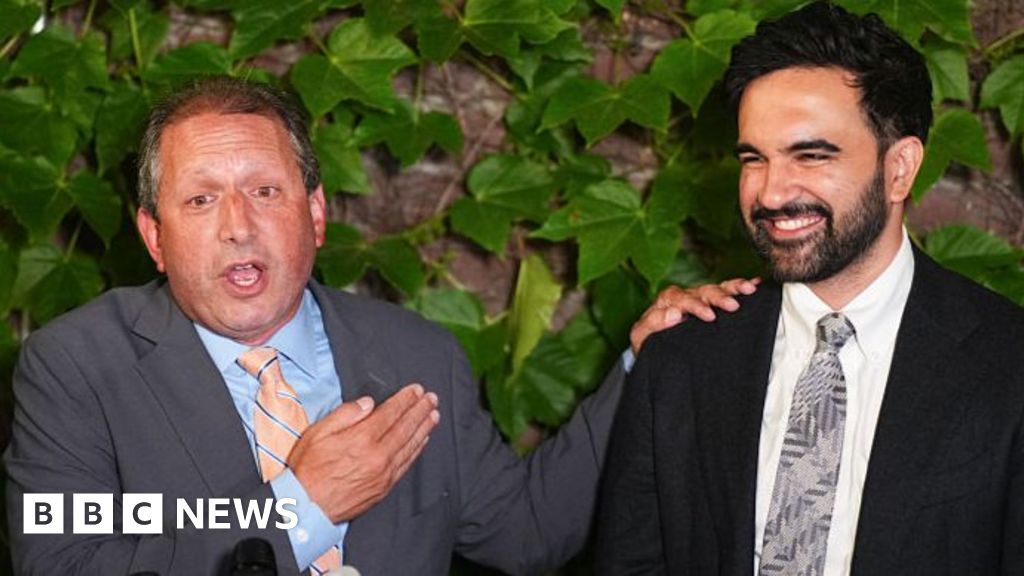
His public celebration with the winning candidates was a clear declaration of this nascent influence. By framing these victories as a decisive rejection of the status quo, Mamdani has solidified his position as a central, influential figure in the ongoing debate over the ideological direction and future leadership of the Democratic Party in America’s largest city.
Systemic Tensions and Future Legislative Dynamics
The displacement of established figures like Adriano Espaillat, who had held his seat for five terms, indicates a profound shift in voter expectations and priorities. The Congressional Hispanic Caucus, in particular, will need to navigate the loss of its chairman and the potential for a more fractured legislative agenda as new, ideologically distinct members enter the fold with different policy imperatives.
These developments suggest that upcoming legislative sessions will be characterized by intensified internal debate and increased factionalism within the Democratic caucus. The central challenge for the national Democratic Party will be to manage these competing progressive and centrist visions effectively, without compromising the institutional stability required to advance its broader legislative agenda in Washington and across the nation.