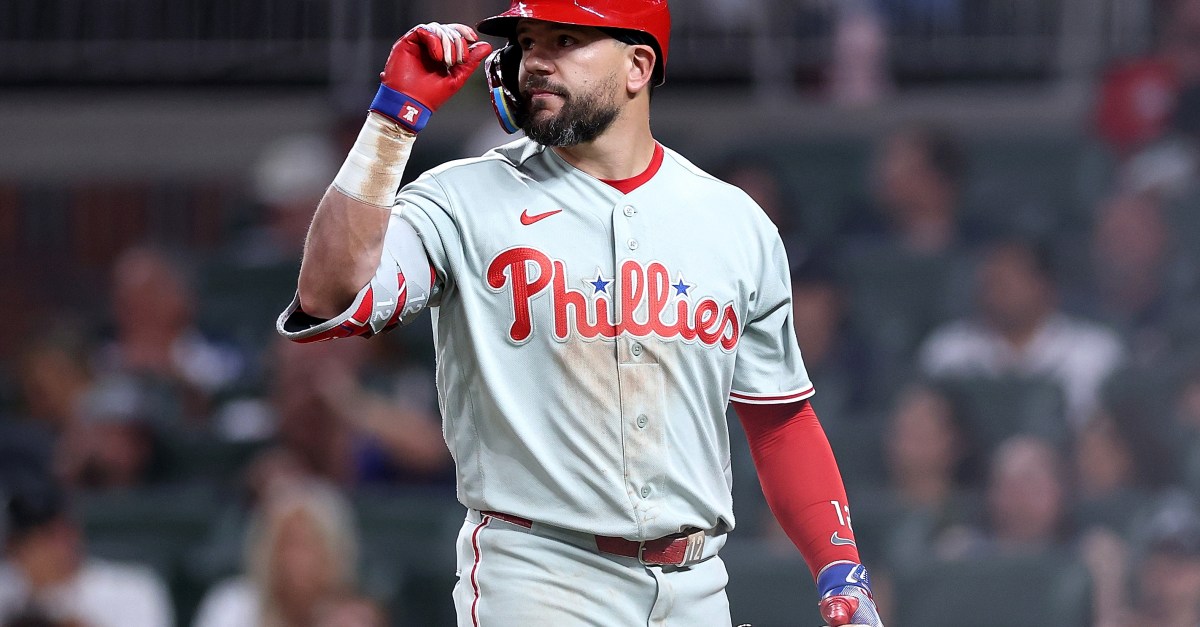
Managerial Pivot and Organizational Expectations
The Philadelphia Phillies’ decision to dismiss manager Rob Thomson following a 9-19 start marks a definitive recalibration of internal benchmarks. This early-season transition underscores an institutional intolerance for underperformance, particularly as consecutive postseason exits have heightened pressure on the front office to optimize roster output.
By appointing Don Mattingly, the organization seeks to leverage a veteran presence to stabilize a roster currently suffering from acute performance inconsistencies. While Mattingly’s tenure with the Marlins and Dodgers offers a baseline of managerial experience, his efficacy remains contingent upon the underlying talent pool rather than strictly tactical reconfigurations.
Competitive Volatility and Roster Viability
The divergence between the San Francisco Giants’ recent sweep and the Phillies’ subsequent 3-15 slide highlights the volatility defining the early-season landscape. This collapse has forced a fundamental reassessment of the team’s competitive ceiling. The front office now faces a binary challenge: determining if the current roster possesses the depth to remain relevant or if the franchise is undergoing a structural decline requiring a deeper talent overhaul.
Operational Challenges and Executive Strategy
The Phillies’ pursuit of high-profile external candidates—exemplified by outreach to Alex Cora—reflects a sense of institutional urgency. Cora’s decision to decline underscores the inherent risks of mid-season transitions, where reputational concerns often outweigh potential short-term gains. Financially, this performance crisis complicates the long-term valuation of a high-payroll roster, as ownership must weigh continued investment against diminishing returns on expectations.
Market Sentiment and Analytical Context
Betting markets have reflected this uncertainty by recalibrating future performance projections. Granular evaluation of individual contributors, including the output of Tyler Mahle and Jesús Luzardo, remains essential to understanding the team’s variance. Furthermore, fan-driven narratives regarding potential external acquisitions, such as Trevor Bauer, illustrate the mounting pressure on management to utilize available capital to salvage the campaign.
Systemic Trends in Modern Baseball
The Phillies’ situation highlights a pervasive trend in MLB: the shrinking margin for error in data-driven environments. Relying heavily on analytics often creates structural rigidities, leading organizations to treat managers as the primary point of failure for broader personnel deficits. The shift to Mattingly serves as a critical test for the franchise: either a catalyst for a turnaround or an acknowledgment that the team’s core issues reside in deeper organizational strategy.