Permian Basin Natural Gas Prices Turn Negative Amid Infrastructure Gridlock
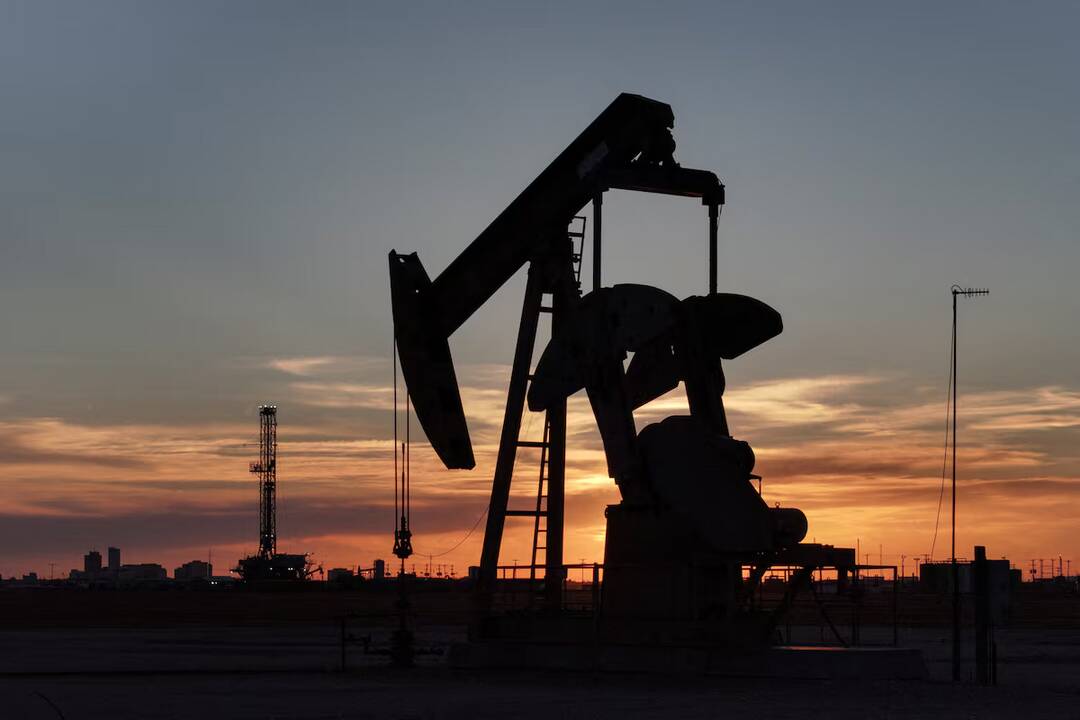
The Permian Basin, a linchpin of U.S. energy output, is experiencing a dramatic market anomaly: natural gas, a common byproduct of oil extraction, is trading at negative prices. This phenomenon, where producers must pay to have the gas removed, stems directly from an oversupply overwhelmed by insufficient pipeline capacity to transport it to demand centers or export terminals.
This price collapse is a stark indicator of a critical infrastructure bottleneck. Despite abundant natural gas reserves, the inability of existing midstream infrastructure to accommodate the volume forces producers to incur disposal costs for a valuable resource. This directly impacts the economic viability of drilling operations, potentially reshaping investment and operational strategies within the basin.
The implications extend globally. The inability to efficiently export this surplus gas means international markets miss out on a potentially cheaper supply, highlighting a structural challenge in the U.S. energy sector where production capacity outstrips midstream infrastructure for effective distribution and global integration.
MYCELX Introduces Advanced Hydrocarbon Remediation Technology
Addressing a parallel critical need, MYCELX is deploying advanced water treatment technology in the Permian Basin. Originating from environmental response efforts following the 1989 Exxon Valdez oil spill, MYCELX founder Hal Alper developed a proprietary polymer. This polymer chemically bonds with hydrocarbons, offering permanent removal rather than filtration.
Co-founded in 1994 by Alper and petroleum industry veteran John Mansfield Sr., MYCELX Technologies has become a global provider of water treatment solutions. The company’s strategic focus on the Permian Basin is driven by the perceived value creation and performance enhancements its technology offers in treating produced water, a significant byproduct of oil and gas extraction.
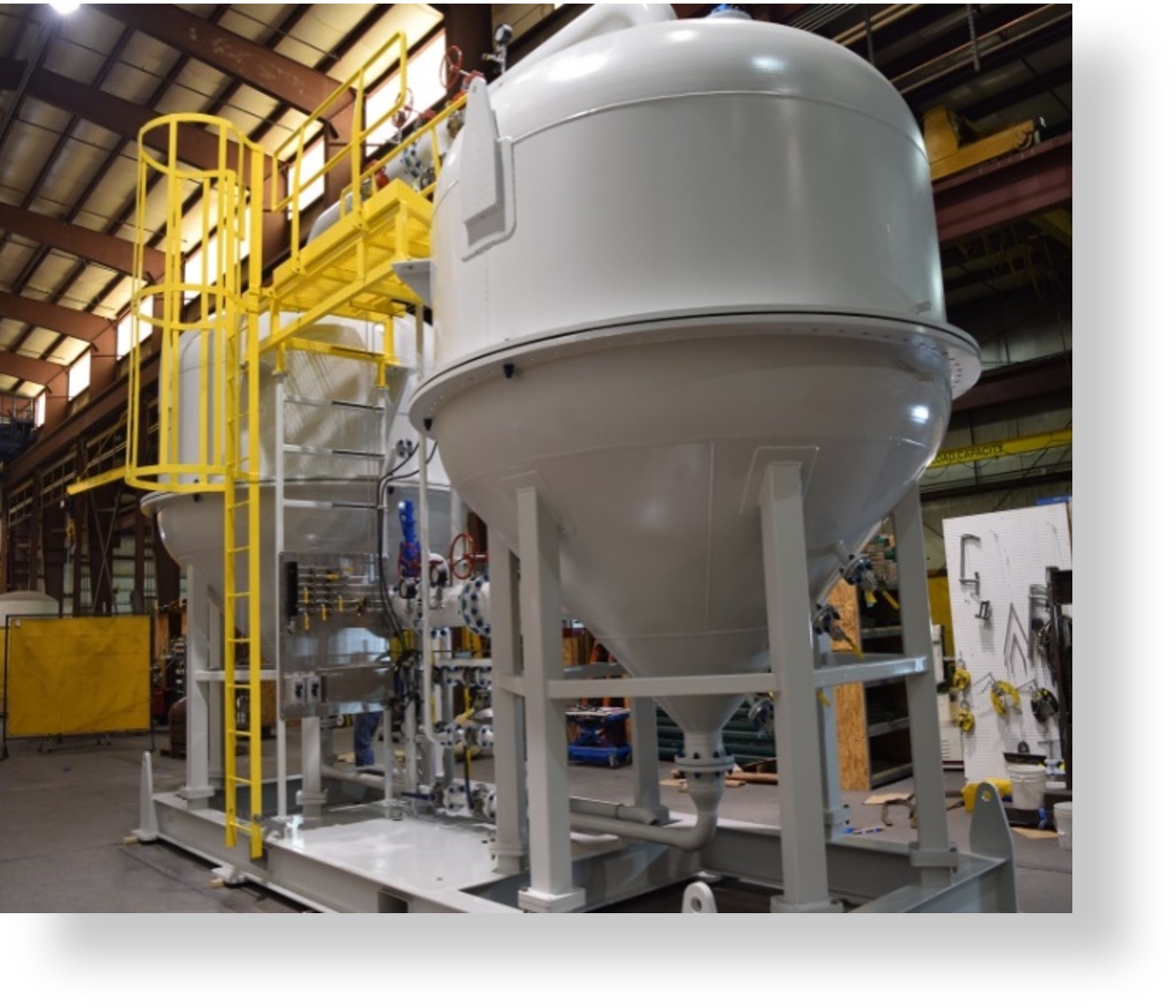
For Permian clients, MYCELX offers two primary systems: the MYCELX Advanced Coalescer (MAC) and the Regenerative Media Filter (REGEN). When combined, these systems are engineered to recover up to 99% of saleable oil from produced water while simultaneously removing suspended solids. This capability directly tackles a major operational and environmental challenge in the basin: the costly and logistically complex management of produced water.
Strategic Advantages of Innovative Water Treatment
The deployment of MYCELX’s technology in the Permian offers significant strategic advantages for operators. Efficiently treating and recovering oil from produced water directly reduces operational expenditures tied to disposal and enhances revenue streams through oil reclamation. This is particularly crucial for a basin facing intense cost pressures and the imperative to maximize resource recovery.
Adopting advanced water treatment solutions like MYCELX’s can provide a competitive edge. By lowering the environmental footprint and operational costs of water management, producers can improve margins and potentially attract ESG-focused investors. This innovation directly addresses growing regulatory scrutiny and public demand for more sustainable extraction practices.
The success of MYCELX’s technology in the Permian could signal a broader industry shift towards sophisticated, chemical-bonding water treatment solutions. Its environmental remediation origins lend credibility and underscore the long-term need for robust hydrocarbon-contaminated water management, especially in high-volume production areas.
Infrastructure Constraints Fuel Technology Adoption
The current Permian market, marked by negative gas prices and infrastructure limitations, creates a complex operational environment. While the gas price slump underscores the urgent need for midstream expansion, it also intensifies the focus on optimizing all facets of oil production, including water management.
Economic pressure from negative gas prices may accelerate the adoption of technologies offering tangible cost savings or revenue enhancements. MYCELX’s ability to recover saleable oil from produced water becomes increasingly attractive when overall profitability is squeezed. This situation drives demand for solutions that improve operational efficiency and resource utilization, even with upfront investment.
Moreover, the environmental aspect of produced water treatment is escalating in importance. As regulatory frameworks evolve and corporate sustainability goals become more ambitious, technologies offering high recovery rates and waste minimization are poised for increased adoption. MYCELX’s system, with its claimed 99% oil recovery, is positioned to meet both economic and environmental imperatives.
Competitive Dynamics and Future Outlook
The Permian Basin’s competitive landscape is characterized by a relentless pursuit of efficiency and cost reduction. Companies adept at managing byproducts and optimizing resource streams are better positioned to navigate market volatility and sustain profitability.
MYCELX’s technology offers producers an opportunity to differentiate themselves through advanced environmental solutions. This could trigger a recalibration of competitive strategies, positioning water treatment technology adoption as a key differentiator alongside traditional metrics like production volume and cost per barrel.
The long-term trajectory for the Permian Basin will likely involve a dual strategy: expanding infrastructure to ease supply bottlenecks and investing in innovative technologies that boost operational efficiency and environmental performance. The current challenging market conditions may well serve as a catalyst for these essential adjustments, shaping the future of energy production in this vital region.
Broader Market and Institutional Ramifications
The negative natural gas prices in the Permian Basin carry far-reaching implications beyond immediate producer concerns. This situation highlights a systemic issue in the North American energy market: the critical dependence on robust and adaptable midstream infrastructure to connect supply with demand, both domestically and internationally.
For institutional investors and financial markets, the Permian’s gas price anomaly serves as a potent reminder of infrastructure deficit risks. It can influence capital allocation, potentially steering investment towards pipeline construction and expansion, or fostering caution toward companies heavily exposed to regions with such bottlenecks. The volatility also impacts hedging strategies and financial forecasting for energy firms.
The disconnect between U.S. production capacity and global market access affects international energy diplomacy and trade dynamics. Nations reliant on U.S. energy imports may face continued price volatility or seek alternative supplies if U.S. export capabilities remain constrained, influencing geopolitical relationships and global energy security.
Technology’s Role in Mitigating Production Challenges
The concurrent introduction of MYCELX’s advanced water treatment technology offers a technological counterpoint to the infrastructure-driven challenges. It represents a solution aimed at optimizing resource utilization and mitigating operational costs, particularly salient when byproduct markets are distressed.
For the oil and gas industry, the success of such technologies can foster a paradigm shift in produced water management. Transitioning from a disposal-centric model to one focused on recovery and reuse can unlock significant economic and environmental benefits, potentially spurring a competitive race among technology providers for the most efficient and cost-effective solutions.
The development and deployment of MYCELX’s polymer, rooted in environmental remediation, also signals a growing trend of leveraging advanced materials science to solve persistent industrial challenges. This cross-pollination of innovation can lead to more sustainable and economically viable resource extraction practices.
Strategic Recalibration for Permian Operators
The confluence of negative gas prices and advanced water treatment technology necessitates a strategic recalibration for Permian Basin operators. The economic imperative to reduce costs and maximize revenue per barrel of oil is intensified.
Companies integrating solutions like MYCELX’s may gain a significant advantage. The ability to reclaim valuable oil from produced water, coupled with efficient solids removal, directly impacts the bottom line. This can free up capital otherwise spent on disposal or lost through inefficient recovery, enabling reinvestment in core production or reserve development.
Furthermore, the focus on produced water treatment aligns with increasing stakeholder pressure for improved environmental stewardship. Demonstrating a commitment to advanced water management can enhance a company’s social license to operate and improve its standing with investors and the public, potentially mitigating regulatory risks and fostering long-term sustainability.
Long-Term Ecosystem Leverage and Market Dynamics
The current Permian Basin situation illustrates the intricate interplay between production, infrastructure, and technological innovation. The natural gas oversupply, exacerbated by pipeline limitations, creates immediate economic headwinds, while advancements in water treatment offer a pathway to enhanced operational efficiency and resource recovery.
Long-term leverage within the Permian ecosystem will likely favor entities that can effectively navigate these dual pressures. This includes producers, midstream companies capable of adapting and expanding infrastructure, and technology providers delivering demonstrable value in cost reduction and environmental performance.
Market dynamics are shifting toward a more integrated approach, where efficient management of all byproducts and waste streams is as critical as primary oil and gas extraction. The Permian Basin, as a bellwether for the U.S. energy industry, provides a live case study of these evolving demands and the innovative responses they are generating.