Second Straight Day of School Closures Hits Massachusetts Hard
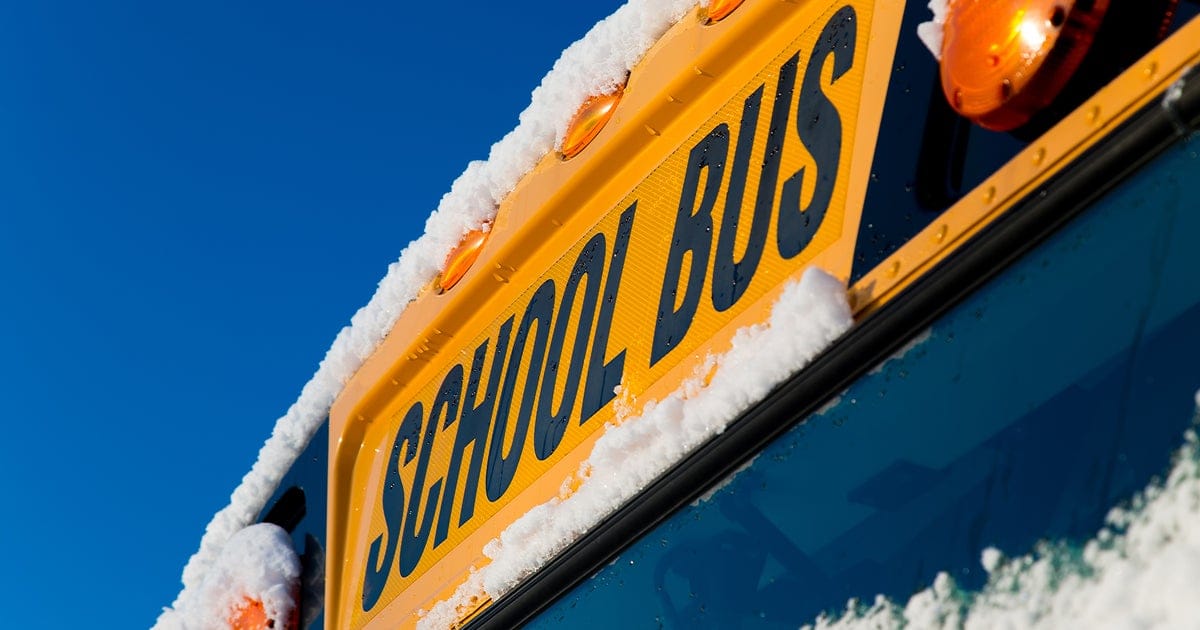
As Massachusetts continues to dig out from its biggest snowstorm in four years, families across the Commonwealth face significant logistical challenges. The storm, which blanketed the region with even more snow than anticipated, has forced a second consecutive day of school closures for numerous districts on Tuesday, January 27, impacting tens of thousands of students and parents from Worcester to Brockton.
The decision to keep schools closed, including Worcester Public Schools, reflects the widespread difficulties created by the deep accumulation and treacherous conditions. For many parents, this second day of disruption means scrambling for childcare and rearranging work schedules, highlighting the intricate balance between daily life and severe weather events.
The Challenge of the Aftermath: More Than Just Snow
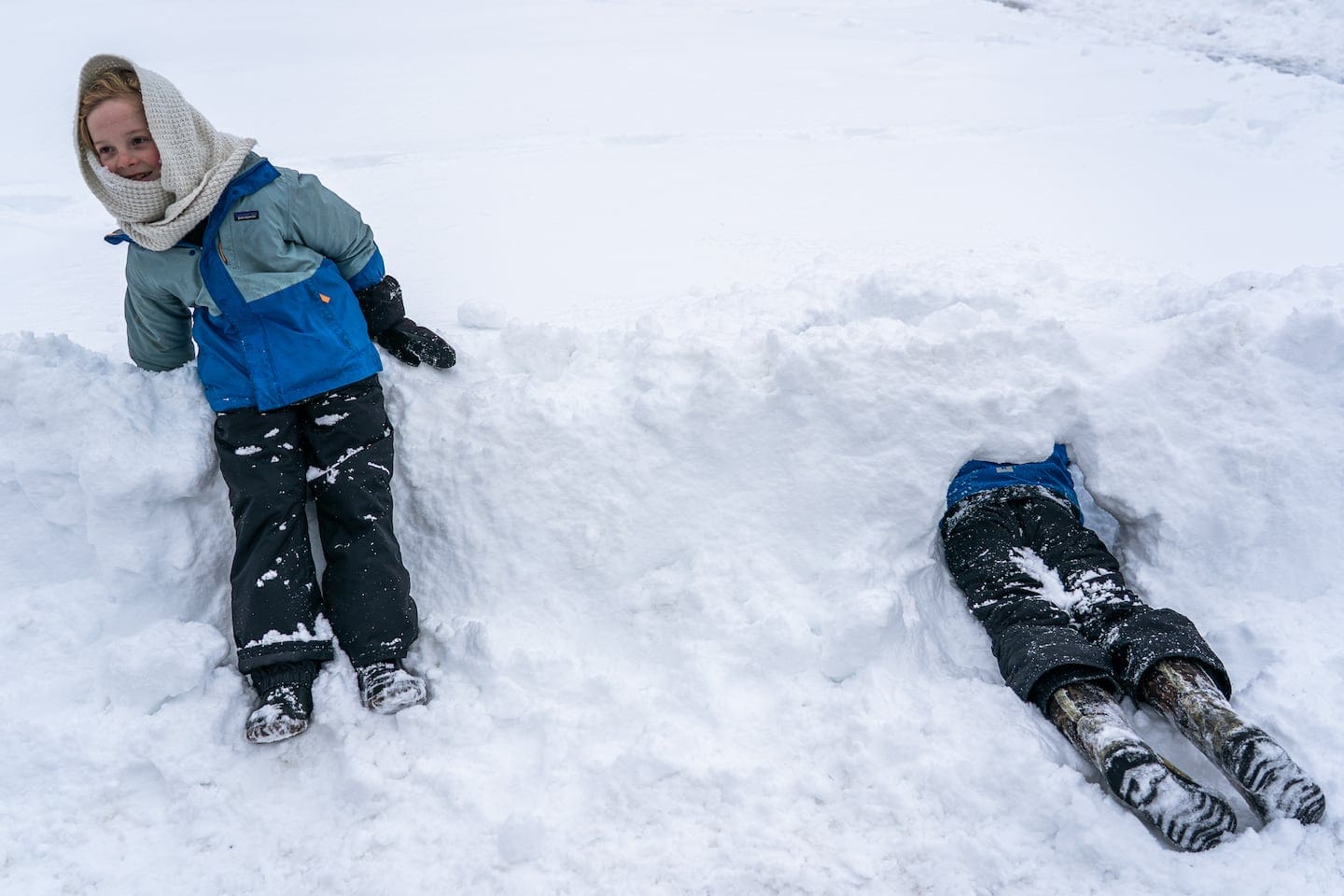
While the initial flurry of snow brought a temporary pause to life, the aftermath—characterized by towering snowbanks and icy conditions—presents a more persistent threat. In Brockton, described as a “winter wonderland” by local observers, the picturesque scene belies the harsh reality of impassable roads and sidewalks.
A resident in Brockton noted, “There’s a lot of snowbanks here; a lot. It’s a winter wonderland here in Brockton. Snow is piled high behind me.” These high snowbanks are more than just an aesthetic obstacle; they pose significant safety risks for pedestrians and create bottlenecks for emergency vehicles and school buses attempting to navigate local streets.
The decision-making process for school superintendents on days like this is multifaceted. It involves assessing the safety of travel for students and staff, evaluating whether heating systems are operational in school buildings, and ensuring access to school facilities for necessary personnel. With snow piled high in many neighborhoods, clearing sidewalks for children who walk to school and ensuring buses can complete their routes safely becomes paramount.
Parents Grapple with Disruption and Safety Concerns
For parents, the second straight day of closures shifts the focus from initial novelty to genuine logistical strain. The input from parents indicates a deep concern about safety, even as they juggle responsibilities. As one parent noted, “I’m looking at this as a safety measure.”
This sentiment underscores the difficult calculus faced by working families. While a snow day might initially be viewed as an unexpected break, a second day often means lost wages, depleted paid time off, or reliance on informal childcare networks. For essential workers, particularly those in healthcare or emergency services, a major storm creates a dual burden: caring for their own families while simultaneously ensuring community services continue uninterrupted.
Infrastructure and Logistics: The Ripple Effect
The severity of this particular snow event—the biggest in four years—has stretched local infrastructure beyond its typical limits. The input highlights that “bringing even more snow than expected in some spots” contributed to the ongoing issues. This unexpected accumulation complicates snow removal efforts, requiring crews to work around the clock to clear major thoroughfares and residential streets.
The closure of schools is often a barometer for a wider breakdown in local logistics. When snowbanks reach significant heights, it reduces visibility at intersections, making driving dangerous. Furthermore, the sheer volume of snow can strain municipal budgets as resources are diverted to snow removal and emergency response. In neighboring New Hampshire, districts also made the decision to remain closed, illustrating the regional nature of the storm’s impact.
I’m looking at this as a safety measure.
This statement reflects a core truth of severe weather events: when communities prioritize safety over a rapid return to normalcy, it is often due to the undeniable risks posed by environmental conditions. The second day of school closures is less about the convenience of staying home and more about mitigating potential accidents on icy roads and obstructed paths.
As Massachusetts continues its recovery, the “winter wonderland” described in Brockton serves as a reminder of the dual nature of these powerful storms—offering both scenic beauty and profound disruption to daily life. For families in Worcester and beyond, the snow’s impact lingers long after the flakes stop falling, forcing a reassessment of schedules and priorities in the face of nature’s power.
The Broader Impact: Economic and Social Ripples
The economic impact of a major, multi-day snowstorm extends well beyond school closures. The disruption to business operations and supply chains can cost millions of dollars in lost productivity. When roads are difficult to navigate, retail, dining, and other service industries suffer. For gig economy workers or those in hourly wage jobs, a snow day can translate directly to lost income, amplifying existing economic disparities.
Moreover, the closures impact educational continuity. While some districts utilize remote learning plans during storms, the sudden nature and duration of this event may prevent a seamless transition. The time lost from in-person instruction requires schools to adjust their calendars, potentially extending the school year later into the spring to make up for missed days. This creates further logistical challenges for families planning vacations or summer activities.
A Community United in Resilience
Despite the challenges, severe weather often brings out a sense of community resilience. Neighbors assist neighbors with shoveling sidewalks, while community centers or local businesses offer alternative solutions for childcare. However, the input makes clear that the prevailing sentiment for many parents is one of necessity and concern. The decision to close schools for a second day underscores the severity of the situation and the commitment to prioritizing the well-being of students and staff over a premature return to routine.
As the clean-up continues and life slowly resumes, the experience serves as a stark reminder of the power of nature and the need for communities to maintain flexible contingency plans. The snow-piled streets of Brockton and the closed doors of Worcester Public Schools tell a story not just of a winter storm, but of a community navigating disruption and prioritizing safety above all else.