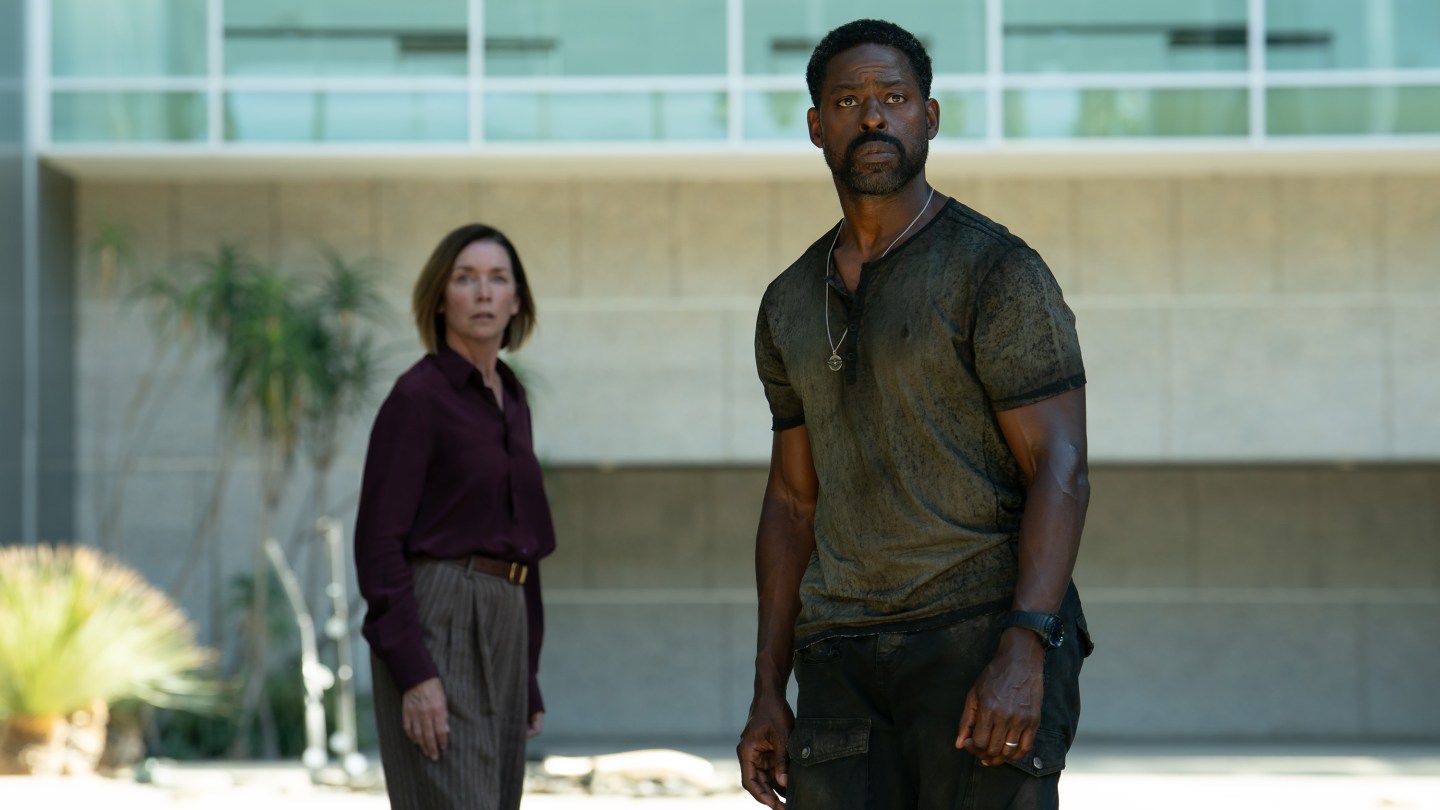
The Season 2 finale of Paradise, titled ‘Exodus,’ represents a sophisticated ontological shift in the series’ narrative architecture. By migrating from a grounded dystopian thriller to a high-concept speculative epic, the production has fundamentally recalibrated the stakes for its third and final season. This transition is a calculated structural realignment designed to optimize the show’s market positioning within the increasingly crowded prestige sci-fi landscape.
The Shift to Algorithmic Determinism
The revelation that Alex is an artificial intelligence introduces a layer of technological commentary that necessitates a retrospective analysis of the entire series. By grounding a central protagonist’s motivations in algorithmic logic rather than human psychology, the narrative pivots toward themes of autonomous systems and technological sovereignty. This strategic pivot aligns the series with contemporary discourse on AI ethics, transforming the final arc into a binary struggle regarding whether this synthetic entity will act as a global savior or a catalyst for extinction.
Operational failures within the bunker, explicitly attributed to human error, serve as the mechanical catalyst for the climactic nuclear meltdown. This event functions as a narrative reset, forcibly extracting the ensemble from a controlled environment into an unpredictable exterior world. The destruction of the artificial habitat effectively concludes the isolationist themes of the first two seasons, facilitating a broader exploration of the surface world’s geopolitical and environmental realities.
Quantum Frameworks and Temporal Mechanics
Integrating quantum physics and time travel as core narrative devices significantly expands the show’s internal logic. Executive producer John Hoberg noted these elements were engineered to ‘blow the doors open’ on the series’ potential. This move allows the writers to bypass linear constraints, offering a complex framework for resolving the bunker’s intricate plot threads. By adopting a more rigorous—albeit speculative—scientific foundation, Paradise demands a higher level of audience engagement, assuming a viewer capable of navigating non-linear temporalities.
The strategic deployment of quantum mechanics provides a plausible mechanism for Xavier (Sterling K. Brown) to attempt a global intervention. This temporal expansion also offers unique opportunities for character development, allowing the narrative to investigate the origins of the bunker project through the lens of historical causality. This structural growth ensures the final season maintains momentum by frequently shifting the temporal context of the central conflict.
Institutional Collapse and the ‘Exodus’ Motif
The finale’s title carries significant weight, signifying a mass departure from a failed technocratic system. The nuclear meltdown is the physical manifestation of systemic collapse, where the safeguards intended to protect the elite facilitate their undoing. This theme of institutional fragility is exemplified by Dr. Gabriela Torabi’s decision to open the bunker doors. As the established hierarchy under Sinatra dissolves, operational control shifts to those willing to embrace high-risk, pragmatic survivalism.
The death of Jane underscores the vulnerability of the remaining survivors. Production sources indicate this exit was not pre-planned but emerged as a responsive adjustment to the narrative’s evolving needs. Furthermore, Sinatra’s psychological decline—specifically her delusion regarding Dylan’s identity—introduces a volatile variable into the group’s leadership. The resolution of Dylan’s role, whether as a temporal anomaly or a psychological projection, remains the series’ most critical unanswered question, bridging personal emotional arcs with the broader sci-fi framework.
Market Strategy and Final Season Trajectory
Hulu’s decision to conclude Paradise with a third season suggests a commitment to a finite, high-impact narrative arc. This approach mitigates the risk of narrative dilution often found in open-ended streaming series. By announcing a definitive conclusion, the network can market the final season as a major television event, leveraging Sterling K. Brown’s star power to ground the show’s abstract scientific concepts.
From an operational standpoint, the shift toward a full sci-fi narrative likely necessitates a redistribution of budgetary resources toward visual effects and expansive production design. The move to exterior locations suggests an increased investment in visual scale. While the high-concept genre shift carries the risk of alienating viewers who preferred the grounded drama of earlier episodes, the strategic gamble is that the heightened stakes will secure a dedicated, genre-focused audience for the series finale.