Institutional Strategy and Post-Deadline Rotation Dynamics
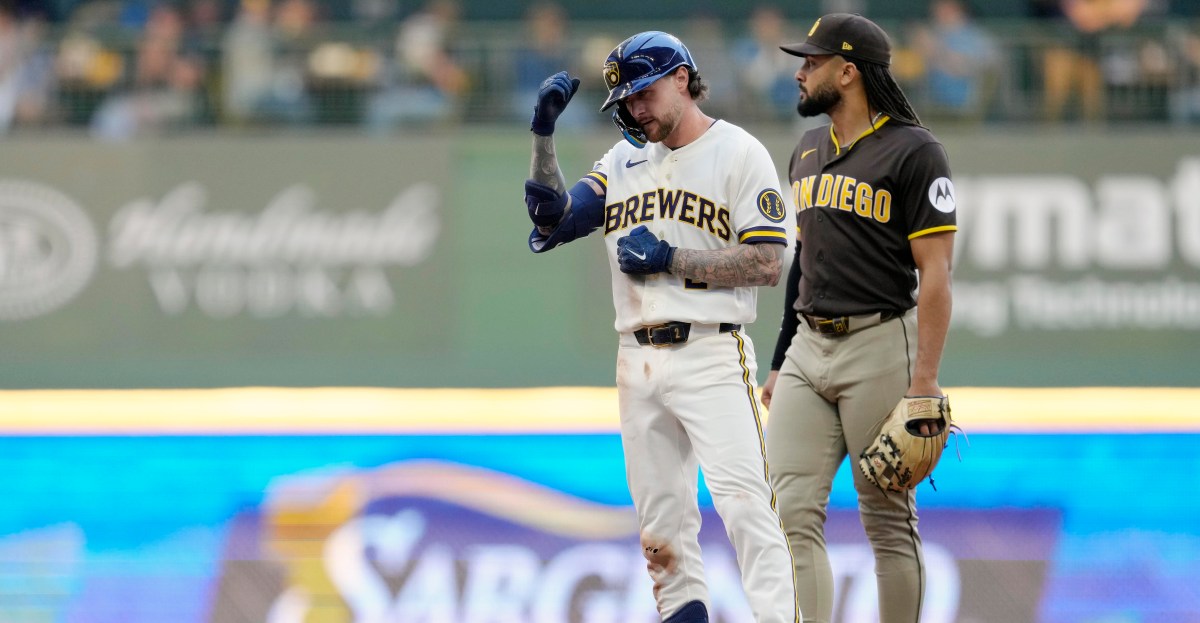
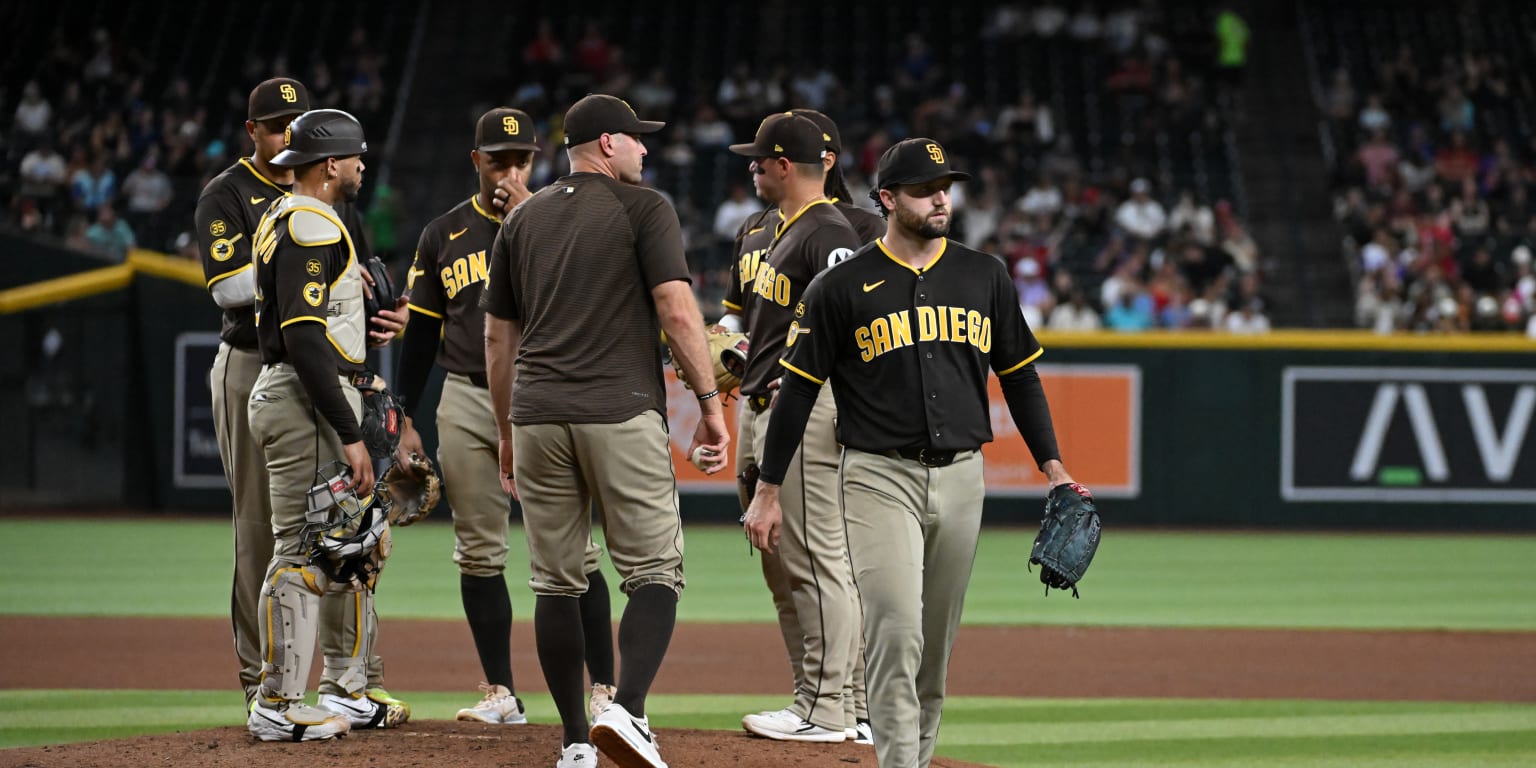
The series between the Milwaukee Brewers and San Diego Padres serves as a high-stakes case study in divergent organizational philosophies. For San Diego, the integration of trade acquisitions Casey Mize and Robbie Ray represents a definitive test of General Manager A.J. Preller’s aggressive capital allocation. By prioritizing immediate rotation stability over long-term prospect retention, the Padres have created a high-leverage environment where postseason viability depends on the rapid stabilization of new assets. Manager Craig Stammen’s long-term backing of these starters suggests a commitment to structural depth, aiming to mitigate the inherent friction and performance variance typical of mid-season transitions.
Operational Resilience: Navigating Roster Attrition in Milwaukee
Despite a formidable 74-44 record, the Milwaukee Brewers face a critical stress test as they navigate significant roster attrition. The organization’s ability to sustain a winning percentage amidst the loss of position players like Cooper Pratt and the uncertainty surrounding Joey Ortiz highlights a robust internal depth chart. However, the re-injury of prospect Jett Williams underscores the fragility of a developmental pipeline under pressure. This structural deficit necessitates an outsized contribution from the active roster, particularly the pitching staff, to maintain competitive margins against high-caliber opponents like the Padres and Dodgers.
Pitching Metrology: Internal Development vs. Market Acquisition
Logan Henderson’s emergence provides a compelling contrast to the Padres’ acquisition-heavy model. Henderson’s metrics—a 2.08 ERA and 0.78 WHIP over 21⅔ innings—demonstrate the efficacy of the Brewers’ ‘pitching laboratory.’ His elite command and strikeout rate (28 SO) provide a tactical advantage that offsets offensive gaps created by the absences of Sal Frelick and Brandon Woodruff. This reliance on internal development allows Milwaukee to compete effectively against high-priced rotations, shifting the competitive equilibrium through high-efficiency, low-cost talent production.
Macro-Economic Stakes and Postseason Seeding
This series is a confrontation between two distinct models of franchise building: San Diego’s acquisition-heavy, high-volatility strategy versus Milwaukee’s depth-oriented, developmental framework. While the Padres must justify their financial and prospect expenditures by securing a Wild Card spot, the Brewers aim to validate their systemic resilience. The outcome will significantly impact the National League playoff landscape, specifically influencing the seeding race between the Phillies, Diamondbacks, and Padres. Ultimately, the margin for error is narrowing, and the performance floor of these divergent rotations will dictate the trajectory of their respective Octobers.