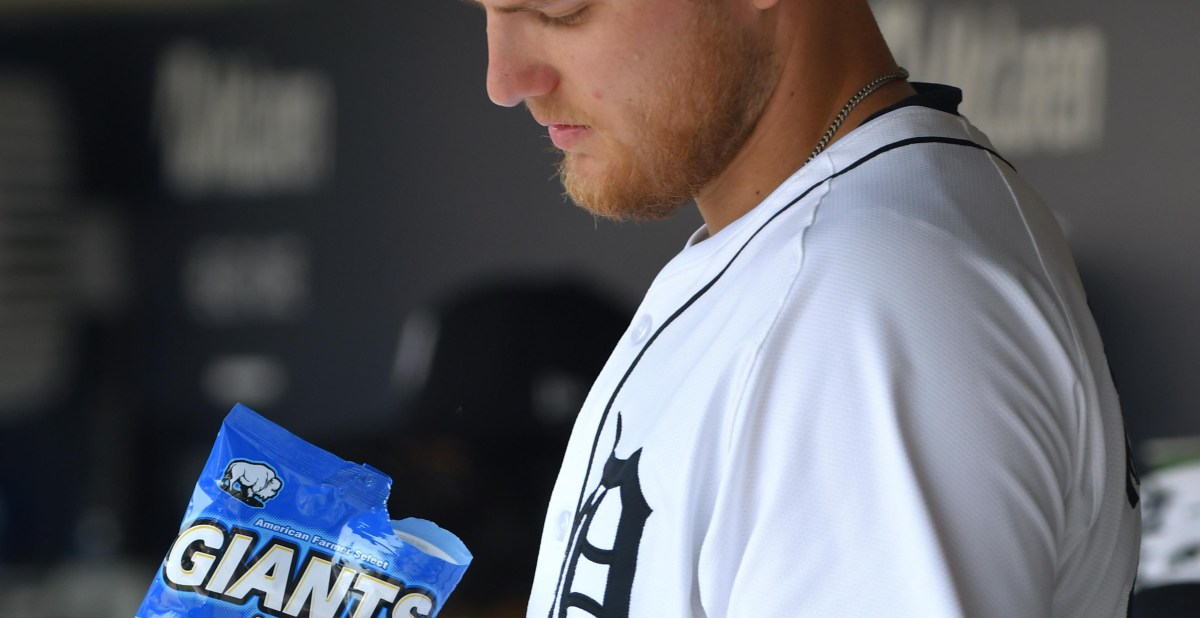
The Detroit Tigers arrive at Oracle Park for a critical inter-divisional series, presenting a compelling case study in roster optimization. Despite the high-profile divestment of Tarik Skubal and Casey Mize, Detroit’s 34-21 record since late May suggests a successful mitigation of lost rotation value through internal developmental surges.
Sabermetric Stabilization: The Montero-Melton Pivot
The Detroit rotation has undergone a radical efficiency recalibration. Keider Montero has transitioned from a depth piece to a statistical anchor, posting a 3.17 ERA and 1.00 WHIP over 116.1 innings. His recent six-inning, two-hit performance in Sacramento validates his elevation to high-leverage starts. This internal production effectively subsidizes the 5.9 fWAR deficit created by deadline trades.
Complementing Montero is 25-year-old Troy Melton. While his 1.2 fWAR is statistically modest, his integration into the primary rotation signals an organizational shift toward youth-centric cost-efficiency. Meanwhile, veteran Framber Valdez remains a high-variance asset; his seven shutout frames against Seattle highlight a capacity for elite suppression despite a localized 1.3 fWAR season.
Offensive Volatility: Analyzing the Eight-Run Threshold
Detroit’s current competitive viability is tethered to a statistically significant offensive outlier: producing eight or more runs in seven of their last eight matchups. This scoring density, powered by the emergence of Dillon Dingler and Kevin McGonigle, has inverted the team’s run differential expectations. The 11-0 shutout of the Mariners serves as a benchmark for this new tactical synergy between aggressive baserunning and high-slugging output.
For the San Francisco Giants, this offensive surge poses a structural threat. Entering the series at 48-67, the Giants’ reliance on JT Brubaker as an ‘opener’ reflects a systemic deficit in traditional starting depth. This tactical compromise exposes a vulnerable bullpen to a Detroit lineup currently operating at peak operational efficiency.
Strategic Trajectories and the AL Wild Card Landscape
At 56-59, the Tigers occupy a peripheral but legitimate position in the American League Wild Card race. The front office’s dual-track strategy—liquidating high-value assets for future capital while maintaining a .500-adjacent pace—challenges the traditional ‘rebuild’ narrative. Conversely, the Giants face institutional stagnation, struggling to reach the 50-win milestone while trailing historical marks of futility.
Conclusion: Barometers of Roster Health
This series serves as a definitive barometer for Detroit’s deadline logic. If Montero maintains his trajectory and the offense sustains its current volatility, the 2026 season will be categorized as a successful pivot rather than a retreat. For San Francisco, the series is a search for identity amidst a rotation crisis that threatens their long-term competitive equilibrium.