Olympic Downhill Crowns New Champion and Honors Veteran Performance
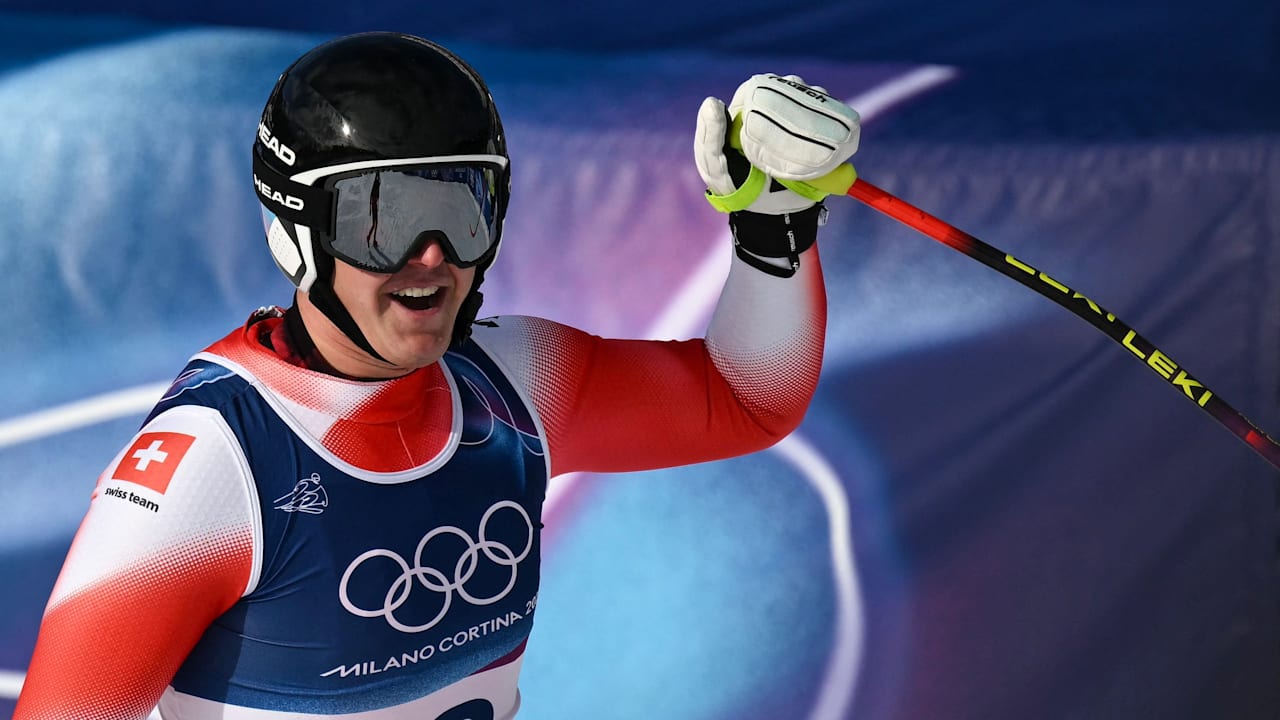
The recent Olympic downhill event saw Swiss athlete Franjo von Allmen achieve a significant milestone, securing the gold medal. This triumph represents a pinnacle achievement within the highly competitive and rigorously structured world of international alpine skiing, marking a career-defining moment for the athlete and his national sports program.
His victory was notably accompanied by a dedication to his late father, a personal acknowledgment that often resonates within the broader narrative of athletic pursuit. Such personal dimensions, while distinct from the competitive outcomes, frequently become integrated into the public understanding and media framing of elite sports achievements, underscoring the deep personal investment involved in reaching the highest echelons of a sport.
The Institutional Landscape of Olympic Alpine Skiing Success
An Olympic gold medal in alpine skiing is not merely a singular achievement but the culmination of an extensive and multi-layered institutional process. It signifies the successful navigation of national sports development pathways, which typically involve years of structured training, coaching, and competitive progression. National federations, such as those governing Swiss skiing, invest considerable resources in identifying, nurturing, and supporting talent from junior levels through to elite international competition.
The pathway to an Olympic medal involves adherence to a sophisticated system of qualifying events, overseen by international sports bodies to ensure fair competition and standardize performance metrics. Athletes must consistently perform at a world-class level across various sanctioned competitions to earn the right to represent their nation on the Olympic stage, a testament to both individual skill and systemic support.
The downhill discipline itself stands as one of the most iconic and demanding events in winter sports, a cornerstone of the Olympic alpine program. It requires a formidable blend of raw speed, technical precision, and strategic course analysis. Athletes descend at exceptionally high velocities, navigating complex terrain, jumps, and turns, all while maintaining optimal aerodynamic positions, necessitating immense courage and finely honed motor skills.
The mastery of these elements is forged through rigorous, institutionally supported training regimes that encompass physical conditioning, technical skill development, and psychological preparation. These programs are often scientifically informed, integrating biomechanical analysis, nutritional guidance, and mental coaching to optimize every aspect of an athlete’s potential within the structured framework of their national team.
Achieving success in this discipline demands not only exceptional individual talent but also sophisticated equipment development and meticulous preparation by support teams. These teams, often funded and organized by national sporting bodies, include coaches, physiotherapists, sports scientists, and equipment specialists, all working within a coordinated framework to optimize athlete performance and ensure safety at extreme speeds.
The development of specialized equipment, from skis and bindings to helmets and suits, is a continuous process driven by technological innovation and extensive testing. This intricate relationship between athlete, equipment, and support infrastructure is a hallmark of elite alpine skiing, where marginal gains can determine competitive outcomes and requires significant investment from both national federations and industry partners.
Veteran Presence and the Dynamics of Competitive Longevity
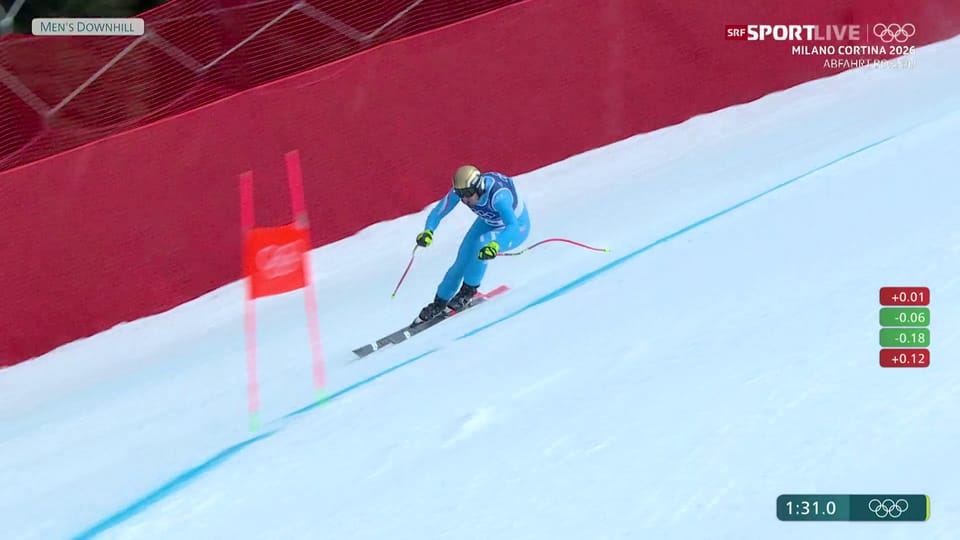
In the same event, veteran athlete Dominik Paris secured a bronze medal, highlighting the enduring value of experience in elite alpine racing. Paris, described as a ‘routinier,’ or seasoned competitor, showcased the capacity of athletes to maintain high levels of performance over an extended career. This longevity is a testament to sustained physical conditioning, adaptive training methodologies, and mental resilience, all facilitated by established institutional support systems.
The journey of a veteran athlete like Paris often involves navigating the dynamic landscape of sports science advancements, evolving competitive strategies, and managing the physical toll of a demanding sport through careful recovery protocols and medical oversight. Their continued presence at the top tier reflects consistent engagement with structured competitive circuits and the strategic adjustments necessary to compete against successive generations of talent.
A veteran’s ability to remain competitive for many seasons often stems from a deep understanding of course conditions, strategic risk assessment, and the psychological fortitude developed over years of high-pressure racing. This accumulated wisdom becomes a valuable asset, allowing them to adapt to diverse course settings and competitive situations, distinguishing them from less experienced competitors.
This sustained competitiveness contributes significantly to the sport’s narrative, providing a link between past achievements and current competitive benchmarks. Such athletes serve as role models within their national programs, demonstrating the long-term commitment and discipline required, thereby reinforcing the institutional values of perseverance and dedication in sports.
The Strategic Importance of Race Venues and Event Staging
Dominik Paris’s performance was further noted as a “strong home race” in Bormio. The concept of a home race within international sports reflects the strategic importance of specific venues and their integration into the global competitive calendar, often through established international racing circuits. Venues like Bormio often possess a rich history in alpine skiing, having hosted numerous high-profile events over decades, thereby becoming integral to the sport’s cultural and competitive fabric.
Staging an international alpine skiing event, especially one linked to the Olympic cycle, involves extensive administrative and logistical planning by international sports federations and local organizing committees. This includes rigorous course preparation, adherence to strict safety protocols, implementation of precise timing systems, and efficient spectator management, all adhering to stringent international standards set by governing bodies.
A home race can offer athletes the advantage of familiarity with the terrain, local crowd support, and minimized travel disruption, factors that are strategically considered within the overall competitive environment. This familiarity can translate into subtle performance advantages, as athletes may have extensive prior experience with the specific characteristics and challenges of the course, enabling more precise execution.
The choice of host cities and venues for major international events, including the Olympic Games, is a critical institutional decision made by international sports organizations. It involves comprehensive evaluations of existing infrastructure, logistical capabilities, and the potential to engage local and international audiences. These selections are part of a broader strategy to promote the sport globally, secure commercial partnerships, and ensure the optimal conditions for athletic performance and spectator experience.
The Broader Context of Milano Cortina 2026 and Media Engagement
The event’s coverage, including replays of Dominik Paris’s run and references to “Milano Cortina 2026 Clips,” underscores the sophisticated media strategy inherent in modern international sports. The Olympic Games, scheduled for Milano Cortina in 2026, represents a major upcoming global sporting spectacle. Planning for such an event commences years in advance, involving extensive collaboration between the International Olympic Committee, national Olympic committees, host city authorities, and commercial partners to coordinate a vast array of operational and promotional activities.
The production and dissemination of digital content, such as event clips and full-length replays, are integral to contemporary sports media ecosystems. This strategy aims to maximize audience engagement, provide accessibility for fans worldwide across various platforms, and extend the promotional lifespan of significant athletic events beyond their live broadcast. It reflects a strategic imperative to leverage digital platforms to broaden the sport’s reach and maintain public interest in the lead-up to and during major championships, cultivating a global audience.
The availability of such content highlights the commercial and cultural value placed on sports media rights. These rights are negotiated and managed by sporting bodies to fund operations, support athlete development programs, and ensure global visibility for their events, forming a crucial revenue stream. The strategic use of digital assets is a key component in this overarching media and commercial framework, ensuring that moments of athletic excellence are captured, preserved, and widely shared, reinforcing the sport’s global appeal and brand value.
Ultimately, the achievements in the Olympic downhill event, from von Allmen’s gold to Paris’s bronze, are not just isolated victories. They are deeply embedded within a vast, interconnected system of national and international sports governance, athlete development, event staging, and media dissemination. Each medal reflects the confluence of individual dedication, the rigorous support of institutional frameworks, and a globally established competitive structure that defines elite winter sports, symbolizing years of structured effort and coordinated strategic planning.