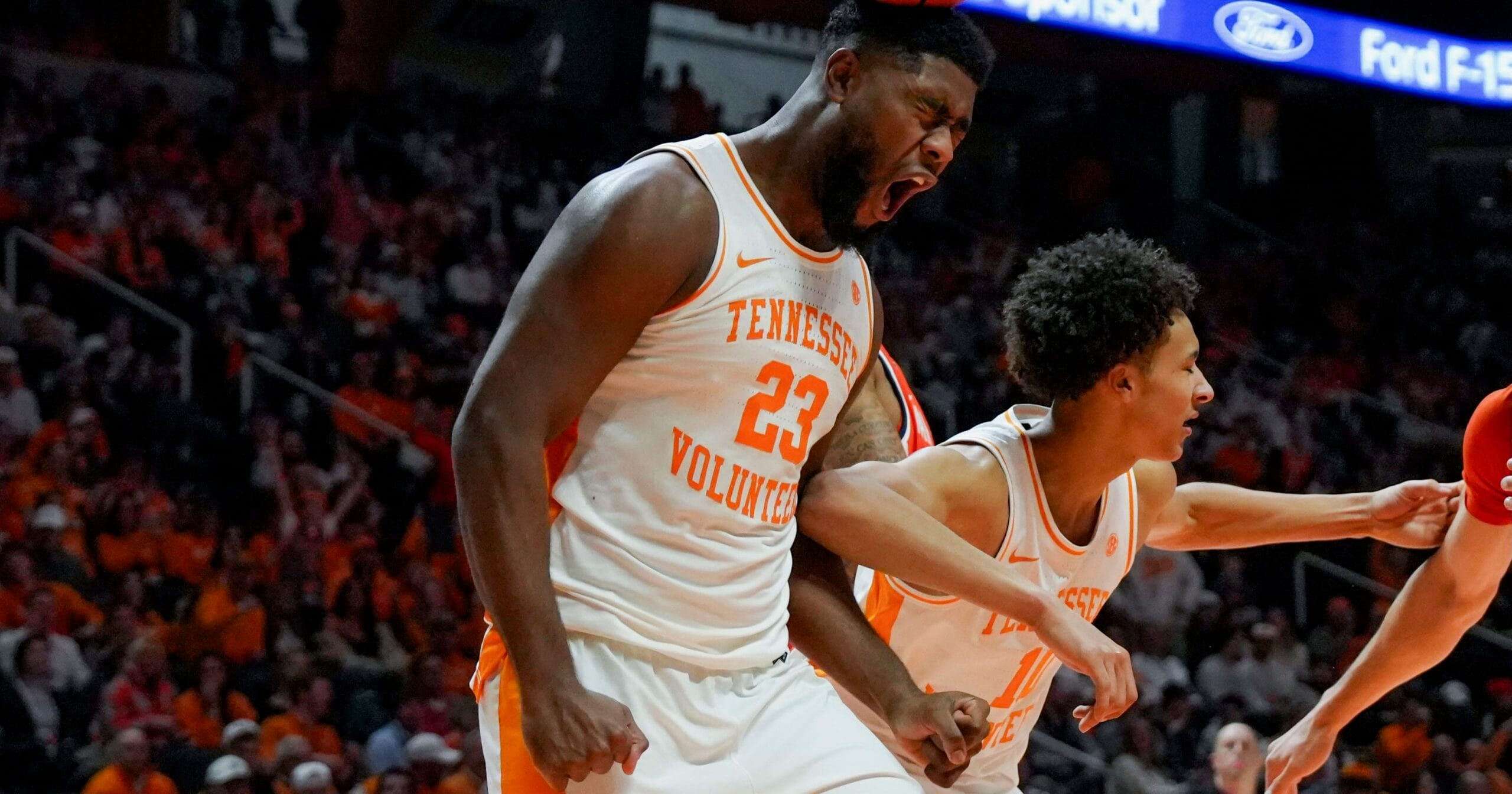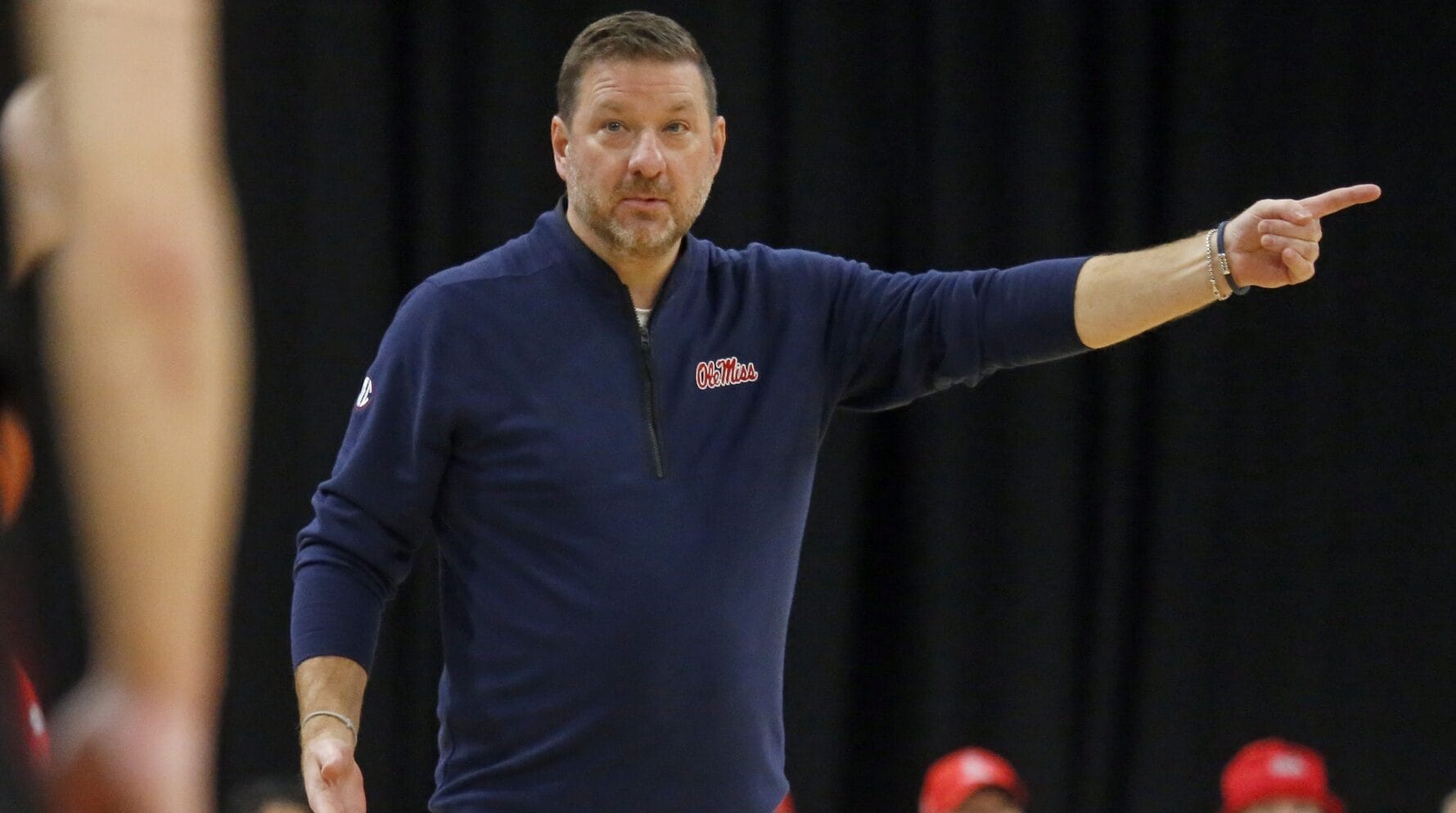
Ole Miss basketball coach Chris Beard was ejected from the game against Tennessee on Tuesday night. The incident occurred in the second half of the matchup at Food City Center, with officials assessing Beard a double technical foul.
Incident Details
The ejection of Ole Miss Head Coach Chris Beard took place in the second half of the game versus Tennessee at the Food City Center. Officials issued Beard a double technical foul with 6:15 remaining in the second half, leading to his dismissal from the contest.
Context of Technical Fouls in College Basketball
Technical fouls in college basketball serve as a mechanism for officials to maintain control and enforce the rules of the game. They can be assessed for a variety of infractions, including unsportsmanlike conduct, arguing with officials, or delay of game. A double technical foul, resulting in an automatic ejection, signifies a level of infraction deemed severe enough by the game’s arbiters to warrant removing a participant, such as a coach, from the bench area.
The application of technical fouls and ejections is governed by the rulebook of the NCAA (National Collegiate Athletic Association), which sets the standards for competition across its member institutions. These rules are designed to ensure fair play, respect for the officials’ decisions, and the overall integrity of the sport. Coaches are expected to manage their conduct and that of their teams within these established parameters.
Ejections, particularly those resulting from multiple technical fouls, can have strategic implications for a team. The absence of a head coach from the sidelines means that decision-making and in-game adjustments fall to assistant coaches. This transition can affect team morale, execution, and the overall strategic direction during the critical late stages of a game.
Institutional and Administrative Oversight in Collegiate Sports
The role of a head coach within a collegiate athletic program extends beyond game management. Head coaches are administrative figures responsible for upholding the policies and standards of their university, the athletic department, and the NCAA. Their conduct on and off the court is subject to review not only by game officials but also by institutional leadership.
Universities and athletic departments have established protocols for addressing conduct violations by coaches. These protocols can range from warnings and fines to suspensions, depending on the severity and nature of the infraction, as well as any prior disciplinary history. The ejection from a game, while an immediate on-court consequence, can also trigger broader institutional review and potential disciplinary actions.
The athletic department operates within a larger university structure, with its own administrative hierarchy and compliance departments. These departments are tasked with ensuring that all athletic activities align with university policies, conference regulations, and NCAA rules. Coaching conduct is a key aspect of this oversight, reflecting on the institution’s reputation and commitment to ethical sportsmanship.
The Broader Landscape of Coaching Conduct and Media Scrutiny
In the high-stakes environment of major college sports, coaching conduct is under constant scrutiny from media, fans, and institutional stakeholders. A coach’s public image and behavior are intrinsically linked to the perception of the university’s athletic program.
Events such as ejections from games, regardless of the specific circumstances leading to the technical fouls, become subjects of public discussion and analysis. Media outlets often report on such incidents, contextualizing them within the coach’s career, the team’s performance, and the broader dynamics of the sport.
This public reporting and commentary can influence institutional decision-making regarding coaching contracts, performance reviews, and disciplinary measures. Athletic directors and university presidents are mindful of how incidents reflect on the institution and must balance the competitive aspects of sports with the need for responsible conduct and adherence to institutional values.
The integrity of the coaching profession is also a factor. Coaches are often seen as role models for student-athletes, and their actions are expected to embody principles of sportsmanship, discipline, and respect. Violations of these principles can lead to reputational damage for both the individual coach and the institution they represent.