The 2026 Launch of New York City Summer Streets
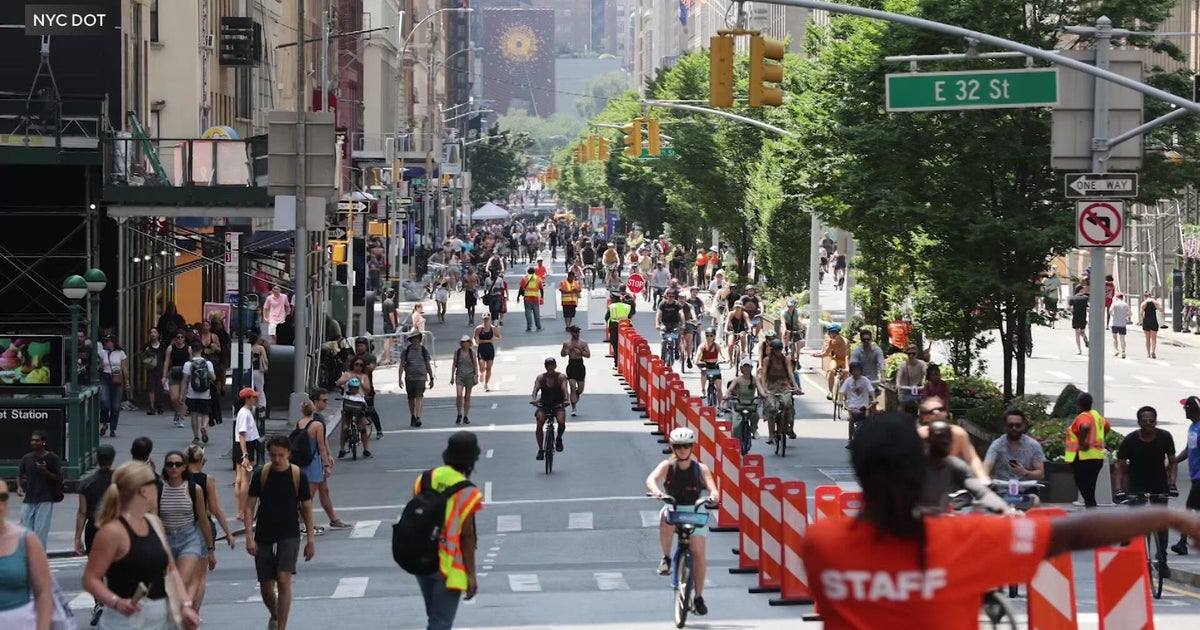
New York City’s Summer Streets celebration officially returns to Manhattan for the 2026 season, marking the first of three consecutive weekends the recurring public program will be hosted within the borough. Spanning corridors from the Brooklyn Bridge up into Inwood, designated thoroughfares are systematically closed to motor vehicle traffic to prioritize pedestrians, cyclists, and joggers. This large-scale reallocation of municipal asphalt alters standard urban transit patterns, transforming vehicular arteries into temporary public spaces designed for recreation and community engagement.
Operating hours span from 7 a.m. until 3 p.m. Weather conditions for the opening weekend feature sun, clouds, and a potential spot shower, accompanied by high humidity and temperatures reaching approximately 86 degrees Fahrenheit. Municipal authorities coordinate closely to manage localized environmental exposure for participants engaging in outdoor physical activities.
Geographic Expansion and Multi-Borough Scheduling
The broader initiative kicked off its annual schedule with programming in Queens and on Staten Island. Following the current weekend’s Manhattan deployment on August 1, the initiative is slated to return on August 8 and August 15 before concluding the 2026 season in Brooklyn and the Bronx on August 22. This sequential multi-borough framework distributes temporary pedestrian infrastructure across diverse urban districts to ensure equitable access to car-free public spaces.
By rotating the activation schedule across weekends, the municipal administration balances neighborhood participation with localized logistical management. Each borough’s deployment requires distinct traffic mitigation strategies and agency coordination to align temporary public programming with standard urban operational needs.
Logistical Adjustments and Traffic Management
To facilitate the expansive pedestrian corridors, strict parking restrictions along the designated route are enforced from 12 a.m. to 4 p.m. on Saturday. Concurrently, inbound traffic entering Manhattan from the Brooklyn Bridge undergoes mandatory redirection due to bridge-level closures, diverting drivers from the Centre Street Exit toward either FDR Drive or the Park Row South Exits. Conversely, all Brooklyn-bound vehicular entrances remain fully accessible, maintaining vital cross-river connectivity.
These temporary traffic alterations demand precision from municipal transportation agencies to minimize systemic congestion and maintain emergency vehicle corridors. Public communication channels advise drivers to anticipate delays and utilize alternative river crossings while street closures remain active.
Public Programming and Midtown Activations
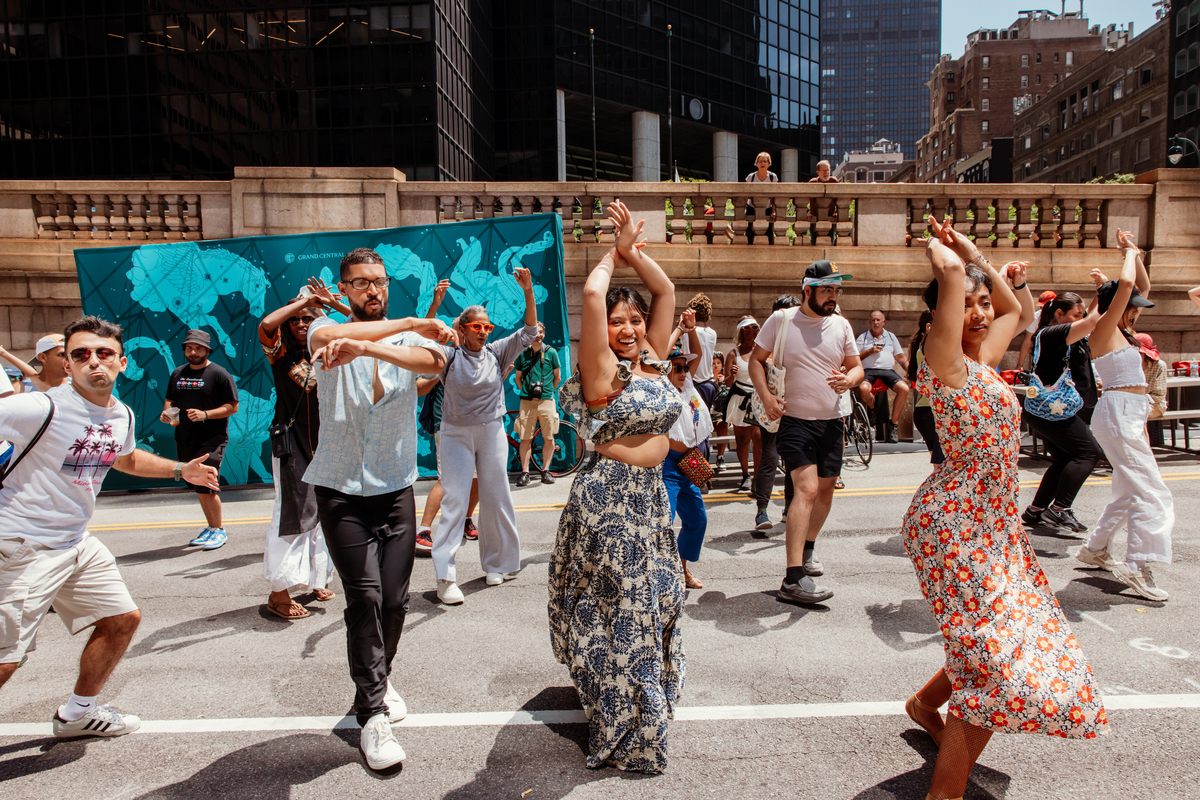
A core component of the initiative involves the conversion of over 20 miles of urban corridors for non-motorized transit, anchored by prominent activity hubs. The Grand Lawn at Grand Central Terminal returns for its third consecutive year as a central rest stop, providing localized infrastructure for large gatherings, fitness demonstrations, and community engagement.
Scheduled activities feature complimentary fitness programming, including HIT Boxing and DanceBody classes. Attendees also gain access to classic lawn games and all-up live entertainment, featuring DJ sets from artists such as Luna Rosa and Honey Bun alongside live musical performances by Riz La Vie and Kids That Fly.
Commercial Partnerships and Refreshment Infrastructure
Corporate and local commercial entities participate by providing complimentary food, beverages, and promotional giveaways. Grand Central commercial tenants, including Shake Shack and Joe Coffee, supply refreshment options to support high pedestrian volumes. These corporate partnerships help underwrite operational costs while offering community engagement opportunities.
The integration of commercial food and beverage distribution within a municipal public space reflects a collaborative operational model between city agencies and local businesses, enhancing attendee experiences without direct cost to taxpayers.