Navigating Reputational Risk: The Political Calculus of Outrage Media in NYC
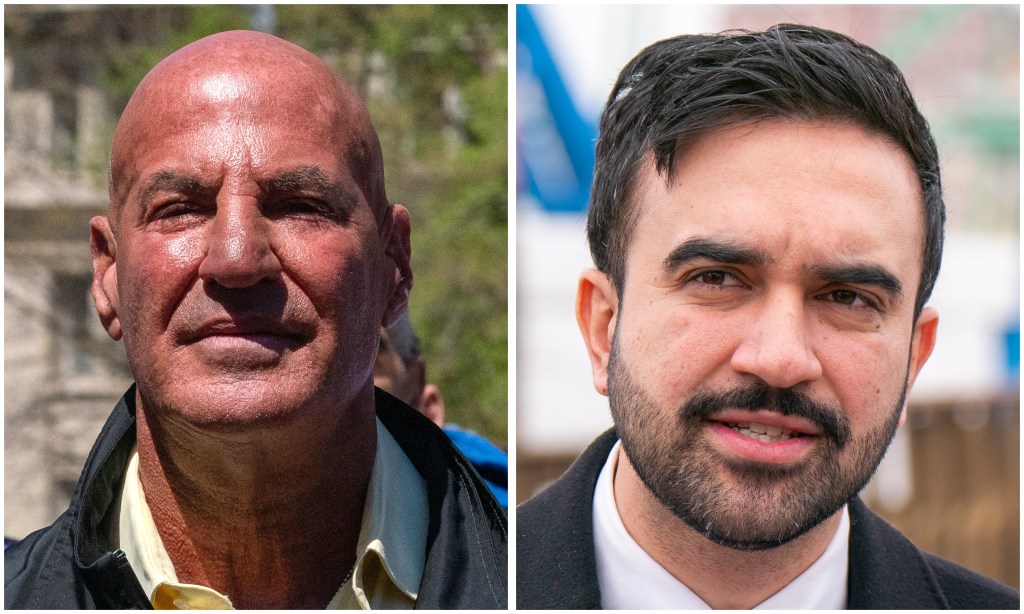
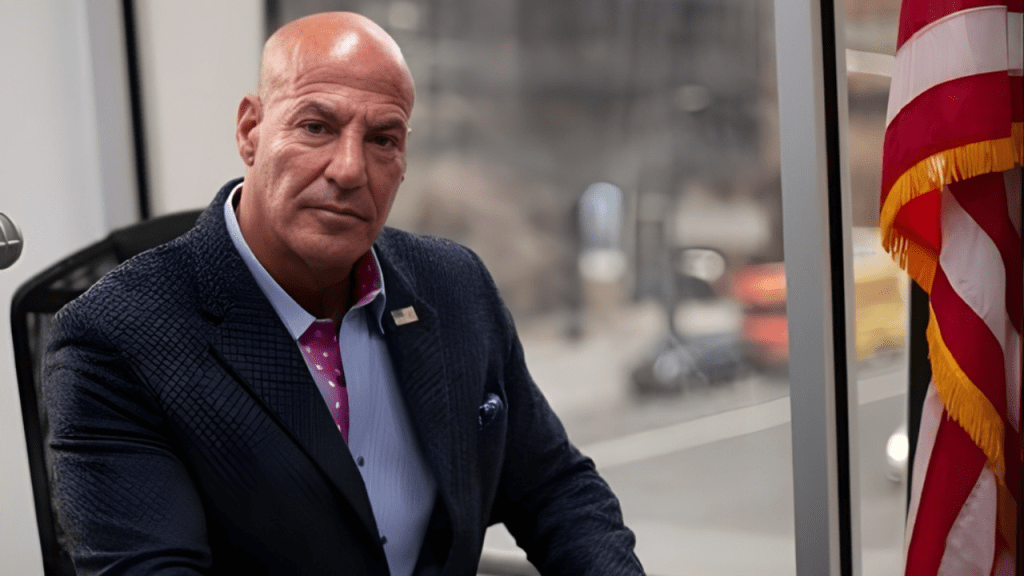
The recent public dispute between New York City Mayor Zohran Mamdani and talk radio host Sid Rosenberg serves as a crucial case study in contemporary political communications. The incident, sparked by Rosenberg using inflammatory and dehumanizing language against Mamdani, forced a public reckoning with the strategic challenge facing political figures in a fragmented media environment driven by outrage. The controversy highlights the complex calculations required to balance audience access, reputational risk, and a response to systemic bigotry when engaging with platforms built on polarization.
The Strategic Reframing of Dehumanizing Rhetoric
Mayor Mamdani’s response to Rosenberg’s remarks—which included calling him a “Jew-hating cockroach” and a “jihadist mayor”—was strategically calibrated to transcend the personal nature of the attack. While dismissing the host as a “man who trades in outrage” and stating he had “far more urgent work” than entertaining the attacks, Mamdani simultaneously framed the language as “painfully familiar” to him as a Muslim New Yorker and East African immigrant. By linking the attack to historical patterns of dehumanization, Mamdani shifted the focus from a simple political disagreement to a broader issue of systemic prejudice.
The use of terms like “cockroach” against political opponents or minority groups serves a specific function in political discourse: to normalize prejudice by stripping the target of humanity. Mamdani’s strategic move was to immediately activate this historical context, transforming the incident from a personal feud into an opportunity to reinforce his commitment to leading for all New Yorkers, regardless of the racism directed at him. This positioning allowed him to effectively diminish the host’s relevance while simultaneously elevating the conversation to a critical discussion about the boundaries of political speech and its potential to normalize prejudice within mainstream media channels.
The Political Economy of Engagement and Reputational Contamination
The controversy illuminates the operational dynamics of talk radio, where polarization often drives engagement and, consequently, advertising revenue. The business model relies on generating strong reactions from specific audience segments to maintain market share. The challenge for political figures engaging with such platforms is the concept of reputational contamination. The source notes that Rosenberg recently dined with Mamdani’s police commissioner, Jessica Tisch, and hosted Council Speaker Julie Menin on his show. These interactions demonstrate a strategic trade-off where the perceived benefit of reaching a specific demographic outweighs the potential political cost of association with inflammatory rhetoric.
However, Mamdani’s public response forces other political figures to re-evaluate this calculation. The incident raises questions about whether continued engagement with hosts known for a track record of racist and Islamophobic remarks can be sustained without incurring significant political damage or appearing to endorse the underlying sentiment. The risk is that association with such figures normalizes their behavior and undermines a politician’s claim to represent diverse communities.
Corporate Responsibility and Damage Control Analysis
For WABC Radio, the incident presents a significant challenge in managing reputational risk and corporate responsibility. The station must balance the commercial value of a high-profile host who generates significant audience engagement with the potential damage to its brand caused by accusations of promoting bigotry. The source notes Rosenberg’s track record of making similar remarks, suggesting a recurring pattern that requires institutional management. The station’s decision to defend Rosenberg, despite the backlash, reflects a calculation about maintaining a specific audience segment and political alignment.
In response to the controversy, Rosenberg delivered an apology during his show. The carefully worded apology, in which he stated he wanted to address those who were offended by his comments and sent a “heartfelt apology” to the mayor, represents a strategic attempt at damage control. By focusing on those who were “offended,” rather than acknowledging the inherent harm of the language itself, the apology attempts to mitigate backlash while potentially preserving his platform and audience base without admitting institutional wrongdoing. This incident underscores the high stakes for media organizations in navigating the fine line between free speech claims and the institutional consequences of platforming rhetoric widely condemned as hate speech.
Consequences for Discourse and Community Trust
The incident has broader implications for political discourse in New York City. Mamdani’s response highlights the structural impact of normalizing dehumanizing language, particularly on community trust and social cohesion. By framing the attack through the lens of his background as a Muslim New Yorker born in East Africa, Mamdani reframes the attack not merely as political criticism, but as part of a larger pattern of prejudice that affects marginalized communities. The incident forces a re-evaluation of the political landscape in New York, where figures like Mamdani are increasingly challenging established norms and facing intense scrutiny. The strategic choices made by political figures and media organizations in response to such incidents will shape the future trajectory of public discourse and community relations in the city.