
Investigation and Regulatory Response
Norwegian Cruise Line (NCL) is coordinating with the U.S. Centers for Disease Control and Prevention (CDC) following the diagnosis of two cases of Legionnaires’ disease among guests from a December 2025 sailing of the Norwegian Encore. This event triggers a formal investigation under the CDC’s Vessel Sanitation Program (VSP), placing the ship’s water management systems under intense regulatory scrutiny. NCL’s proactive communication with both past and current guests represents a calculated risk-mitigation strategy, aiming to manage liability and maintain brand integrity by demonstrating transparency beyond baseline regulatory requirements. This approach reflects an industry-wide shift toward more robust public health protocols following lessons learned in the early 2020s.
Technical Scrutiny of Onboard Water Systems
The technical investigation centers on the ship’s potable water systems, where Legionella bacteria can proliferate in biofilms and become aerosolized through fixtures like showers, faucets, and hot tubs. The operational challenge lies in conducting comprehensive environmental sampling while the vessel remains in service. NCL has reported that initial onboard water tests returned negative, a crucial data point suggesting the ship’s primary disinfection protocols are functioning as designed. However, the CDC’s continued monitoring underscores the difficulty of definitively locating and eradicating a pathogen source, which may be localized or transient. The investigation serves as a comprehensive audit of the Encore’s water safety plan, potentially leading to updated maintenance protocols to better control water temperature and flow, thereby preventing stagnation where bacteria thrive.
Market Impact and Strategic Implications
For NCL’s parent company, Norwegian Cruise Line Holdings (NCLH), the investigation poses a direct risk to investor confidence and forward booking trends, as the cruise sector is highly sensitive to public health perceptions. The company’s key strategic objective is to contain the narrative by framing the event as a manageable operational issue, reinforced by negative test results and adherence to CDC protocols. By communicating directly with current passengers, NCL aims to preempt misinformation and reduce potential litigation. The handling of this incident is a critical test of NCL’s crisis management capabilities, with the outcome poised to influence industry-wide best practices for managing waterborne pathogen risks and communicating them effectively to stakeholders and consumers.
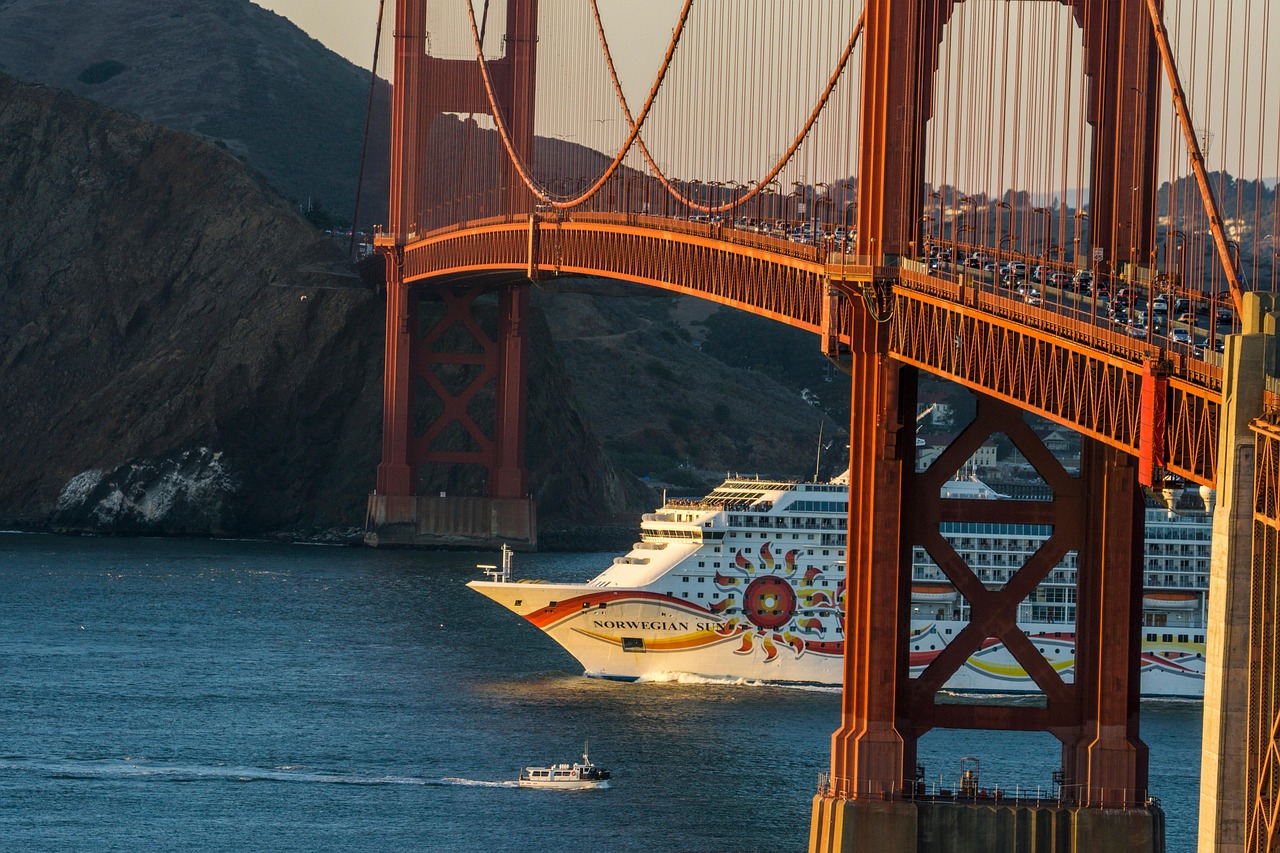
Cover photo by chris18769 on Pixabay.