
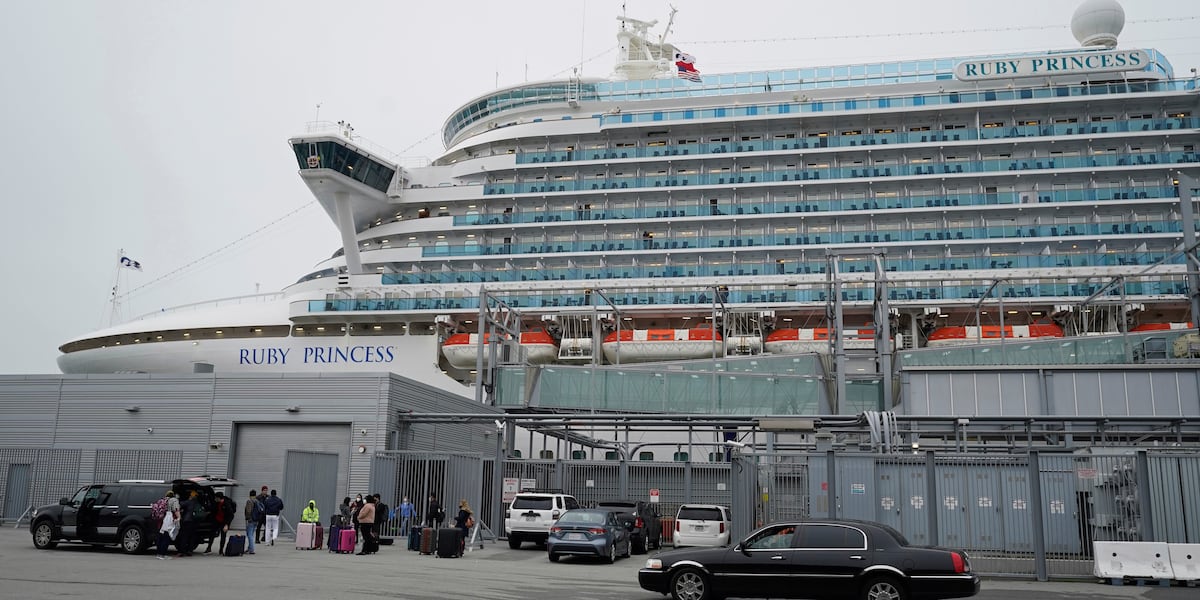
Norovirus Outbreak on Ruby Princess Exposes Cruise Industry Health Management Vulnerabilities
A norovirus outbreak aboard Princess Cruises’ Ruby Princess, affecting 125 passengers and crew during a 20-day voyage from San Francisco to Canada and Alaska, highlights persistent health challenges inherent in the cruise industry. The U.S. Centers for Disease Control and Prevention (CDC) confirmed the widespread infection, with 102 passengers and 23 crew members exhibiting symptoms consistent with the highly contagious virus.
Norovirus, characterized by rapid transmission in confined settings, thrives in environments like cruise ships where close proximity and shared facilities are prevalent. Its spread is frequently facilitated by contaminated food, water, or surfaces, making stringent sanitation protocols essential for passenger and crew well-being. The incident on the Ruby Princess, which departed June 12 and was reported to the CDC on Saturday, signifies a significant lapse in expected public health safeguards for such voyages.
The operational and reputational implications for Princess Cruises and the broader industry are substantial. While not all infected individuals were simultaneously ill, the high case count necessitates a thorough review of the ship’s sanitation, food handling, and isolation procedures. This event serves as a stark reminder of the critical balance between leisure provision and maintaining robust onboard public health defenses.
Operational Strain and Public Health Response Dynamics
The scale of the outbreak places considerable strain on shipboard medical facilities and operational capacity. Managing 125 symptomatic individuals demands the diversion of medical personnel, intensified cleaning and disinfection efforts, and potential isolation of affected individuals, all of which can disrupt passenger experience and crew duties. The rapid onset of symptoms, including vomiting, diarrhea, and stomach pain, requires immediate and effective containment strategies.
Federal health officials’ involvement via the CDC underscores the regulatory oversight governing such events. The incident’s reporting shortly after departure suggests a proactive response to management, yet the extent of spread before docking implies that containment measures may have been insufficient or the initial viral introduction was particularly virulent.
The CDC’s role in monitoring and responding to outbreaks is critical for maintaining public confidence in cruise travel. Their findings and recommendations will likely influence future health and safety protocols across the industry, potentially leading to stricter guidelines for sanitation, health declarations, and onboard medical response capabilities.
Stakeholder Exposure and Industry-Wide Repercussions
Passengers on the Ruby Princess, particularly those with underlying health conditions, the very young, and the elderly, face heightened risks from norovirus infection. While generally short-lived for healthy individuals, the illness can lead to dehydration and severe complications in vulnerable populations. The distress of being ill at sea, away from familiar medical care, can significantly impact the travel experience.
Princess Cruises faces direct exposure to passenger dissatisfaction, potential compensation claims, and brand reputation damage. The company’s crisis management effectiveness, from onboard response to transparent communication, will be crucial in mitigating long-term impact. Competitively, such incidents can sway booking decisions, as travelers may favor lines with superior perceived health and safety records.
The broader cruise industry is also exposed. A significant outbreak on a major line can trigger heightened scrutiny from regulators and the public, potentially leading to more stringent operational requirements industry-wide, including increased sanitation costs, enhanced medical staffing, and more rigorous passenger screening.
Norovirus Transmission Dynamics in Cruise Ship Environments
Norovirus’s highly contagious nature is amplified within the unique ecosystem of a cruise ship. The virus’s ability to survive on surfaces and transmit via aerosolized particles from vomiting makes control challenging in enclosed spaces with high passenger turnover. The sheer volume of people—3,032 passengers and 1,144 crew on the Ruby Princess—creates a fertile ground for rapid dissemination.
The reported timeline of the outbreak suggests a period of transmission before official notification, implying the virus had established a significant foothold. The effectiveness of onboard interventions is directly correlated with the speed and accuracy of detection and response, a challenge exacerbated by the transient nature of cruise ship populations.
Understanding specific transmission pathways on the Ruby Princess—whether via food service, shared facilities, or direct contact—is essential for prevention. This requires detailed epidemiological investigation to identify the source and pinpoint the most effective control measures, directly impacting operational continuity and financial health.
Regulatory Scrutiny and Evolving Health Protocols
Incidents like the Ruby Princess norovirus outbreak invite increased regulatory scrutiny from bodies like the CDC and international maritime health organizations. Data collected informs future policy, potentially leading to revised sanitation standards, onboard medical infrastructure requirements, and passenger health screening protocols. Failure to adapt risks operational sanctions and competitive disadvantage.
The financial leverage of such outbreaks is significant. Beyond direct costs of outbreak management—cleaning, medical supplies, compensation—indirect costs include lost bookings, negative publicity, and potential fines. For Princess Cruises and parent company Carnival Corporation, managing these financial exposures is a critical strategic imperative.
The cruise industry’s competitive landscape is heavily influenced by perceived safety and health standards. A robust response to an outbreak can enhance a company’s reputation if handled with transparency and effectiveness. Conversely, a poorly managed crisis can lead to sustained market share loss as consumers seek competitors with stronger health and safety records.
Strategic Imperative of Health Security in Cruise Operations
For cruise lines, maintaining health security is a core strategic imperative directly impacting brand value and long-term profitability. The Ruby Princess incident highlights extended exposure periods and widespread impact potential. Investment in preventative health measures, staff training, and rapid response capabilities directly correlates with risk mitigation capability.
The competitive positioning of Princess Cruises is tested by such events. Competitors will monitor the handling of this outbreak, potentially leveraging perceived weaknesses in their own marketing and operational strategies. The industry’s collective response to norovirus and other health threats shapes consumer perception and influences capital allocation toward health infrastructure.
Effective health management offers substantial financial leverage. Proactive investment in advanced sanitation technologies, real-time health monitoring, and comprehensive staff training can prevent outbreaks, thereby avoiding significant direct and indirect costs. This strategic focus on health security becomes a critical differentiator in a health-conscious travel market, influencing passenger choice and investor confidence.
Capital Movement and Investment in Health Infrastructure
The financial implications of norovirus outbreaks extend to capital movement within the cruise industry. Significant investments are required in onboard medical facilities, advanced ventilation systems, and state-of-the-art cleaning and disinfection technologies. Companies prioritizing these investments are better positioned to prevent and manage outbreaks, safeguarding revenue streams and market capitalization.
Following incidents like the one on the Ruby Princess, increased pressure from investors and regulators often leads to enhanced capital allocation towards public health infrastructure. This can trigger strategic re-evaluations of operational budgets, with greater funds diverted to health and safety measures. Such shifts can impact investment in other areas like fleet expansion or technological innovation, creating complex strategic trade-offs.
Superior health infrastructure can translate into tangible financial benefits. Cruise lines demonstrating a healthier onboard environment may command premium pricing, attract a larger customer base, and experience lower rates of passenger dissatisfaction and subsequent compensation claims. This financial leverage underscores the critical link between operational health and economic performance.
Performance Leverage and Reputational Capital
Effective management of onboard health directly correlates with reputational capital. A cruise line’s ability to prevent and swiftly contain outbreaks builds trust with passengers, travel agents, and the public. This trust is an intangible asset leveraged to drive bookings, enhance brand loyalty, and command a market premium.
Conversely, a poorly managed outbreak erodes reputational capital, leading to booking declines and negative impacts on stock performance. While source data details the outbreak, it lacks information on the immediate aftermath or Princess Cruises’ specific response beyond reporting. However, industry patterns suggest transparency and decisive action are key to rebuilding trust.
The long-term performance of Princess Cruises will be influenced by its ability to learn from this incident and implement lasting improvements in health protocols, coupled with strategic communication to reassure stakeholders and demonstrate a commitment to passenger safety. Strong health and safety records are critical for sustained success in the competitive cruise market.
Cascading Effects and Industry Adaptation
The norovirus outbreak on the Ruby Princess is part of a broader pattern of health challenges in the cruise industry. Its cascading effects prompt a collective re-evaluation of health protocols and risk management. The incident serves as a catalyst for industry-wide adaptation, pushing for higher standards in sanitation, medical preparedness, and passenger communication.
For Princess Cruises, immediate operational focus will include thorough disinfection and potentially enhanced health screening for future voyages. Strategically, the company must address perceived protocol shortcomings to prevent recurrence and rebuild confidence. This may involve increased investment in staff training, particularly for food service and housekeeping personnel crucial in preventing viral transmission.
Competitive implications are significant. Competitors may highlight their robust health and safety measures, attracting passengers concerned by the Ruby Princess incident. This can drive a market-wide emphasis on health security, potentially spurring innovation in sanitation technologies and onboard medical capabilities across the sector. The industry’s collective adaptation and resilience will be crucial for sustained growth and public acceptance.
Long-Term Health Strategy and Public Trust
Long-term health strategies for cruise lines must evolve from reactive measures to proactive, integrated public health management. This requires continuous investment in research and development of advanced sanitation techniques, real-time health monitoring systems, and robust outbreak response plans. The goal is to minimize widespread illness risk, safeguarding passenger well-being and operational financial viability.
Building and maintaining public trust is paramount. Transparency in reporting health incidents, clear communication of preventative measures, and a demonstrable commitment to passenger safety are essential. The Ruby Princess outbreak offers an opportunity for Princess Cruises and the industry to reinforce dedication to these principles, potentially leading to stronger passenger loyalty and a more resilient market position.
Ultimately, a cruise line’s success hinges on delivering a safe and enjoyable experience. Norovirus outbreaks serve as critical inflection points that can drive necessary improvements and reinforce the industry’s public health commitment. Strategic decisions made in the wake of such events will shape the future of cruise travel, influencing operational procedures, capital investment, and consumer perception.