The Strategic Imperative: Replacing Anchor IP in the Post-Peak Streaming Era
The impending conclusion of flagship anchor series, notably *Cobra Kai* and *Stranger Things* in 2025, presents a critical strategic challenge for Netflix. These tentpole franchises have historically served as primary drivers for subscriber acquisition and retention, defining the platform’s value proposition. The streaming industry’s operational model relies on a continuous content cycle, necessitating substantial capital investment to develop high-value intellectual property (IP) capable of replicating the cultural saturation and mitigating churn associated with long-running hits. Netflix’s move toward a live-action *Scooby-Doo* adaptation represents a calculated response to this strategic void, prioritizing established legacy IP to ensure audience stability and maintain market leadership.
Legacy IP as a Risk Mitigation Strategy: The Scooby-Doo Advantage
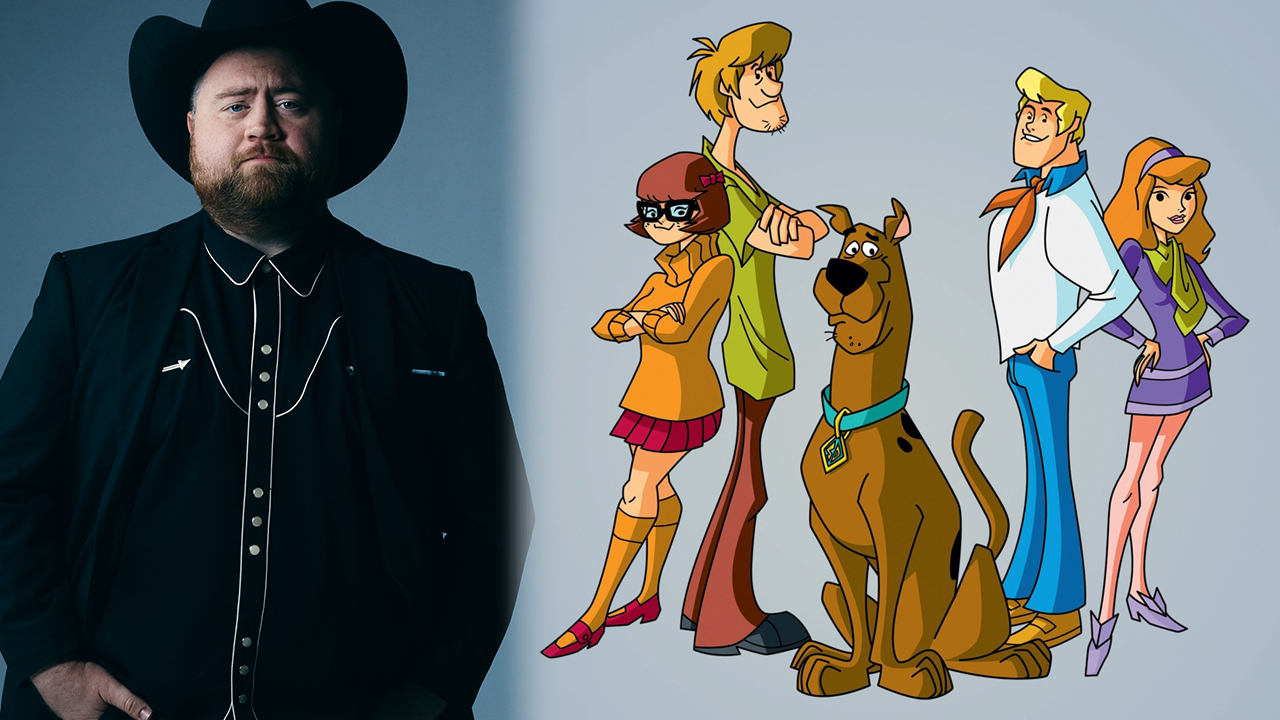
Netflix’s decision to leverage the *Scooby-Doo* franchise is a classic risk-mitigation strategy. Unlike developing original concepts from scratch, adapting pre-existing IP significantly reduces audience acquisition friction and marketing costs. *Scooby-Doo*’s multi-generational appeal—bridging nostalgic viewers from previous iterations with new, younger demographics—provides an inherent foundation for rapid audience engagement. By focusing on an origin story format detailing the formation of Mystery Inc., the series aims to re-interpret classic characters for contemporary audiences, balancing legacy appeal with modern themes. This approach positions *Scooby-Doo* not merely as a single series replacement but as a potential long-term franchise asset, replicating the successful model established by other legacy IP adaptations.
The Business of Coopetition: Licensing Dynamics with Warner Bros. Discovery
The development of the *Scooby-Doo* series highlights the complex dynamics of “coopetition” within the streaming ecosystem, specifically involving Warner Bros. Television (WBD). While WBD operates its proprietary streaming service, Max, the decision to license a valuable property like *Scooby-Doo* to Netflix suggests a strategic calculation prioritizing immediate revenue generation. Licensing fees provide WBD with guaranteed capital, which is crucial for debt management or funding internal projects, even if it strengthens a competitor’s content library. For Netflix, securing this IP from WBD demonstrates a willingness to invest in high-profile co-productions to diversify its portfolio and fill strategic gaps created by departing content. This arrangement underscores the financial pressures influencing content strategy, where short-term profitability often outweighs long-term platform exclusivity.
Data-Driven Casting: Optimizing Audience Migration and Engagement
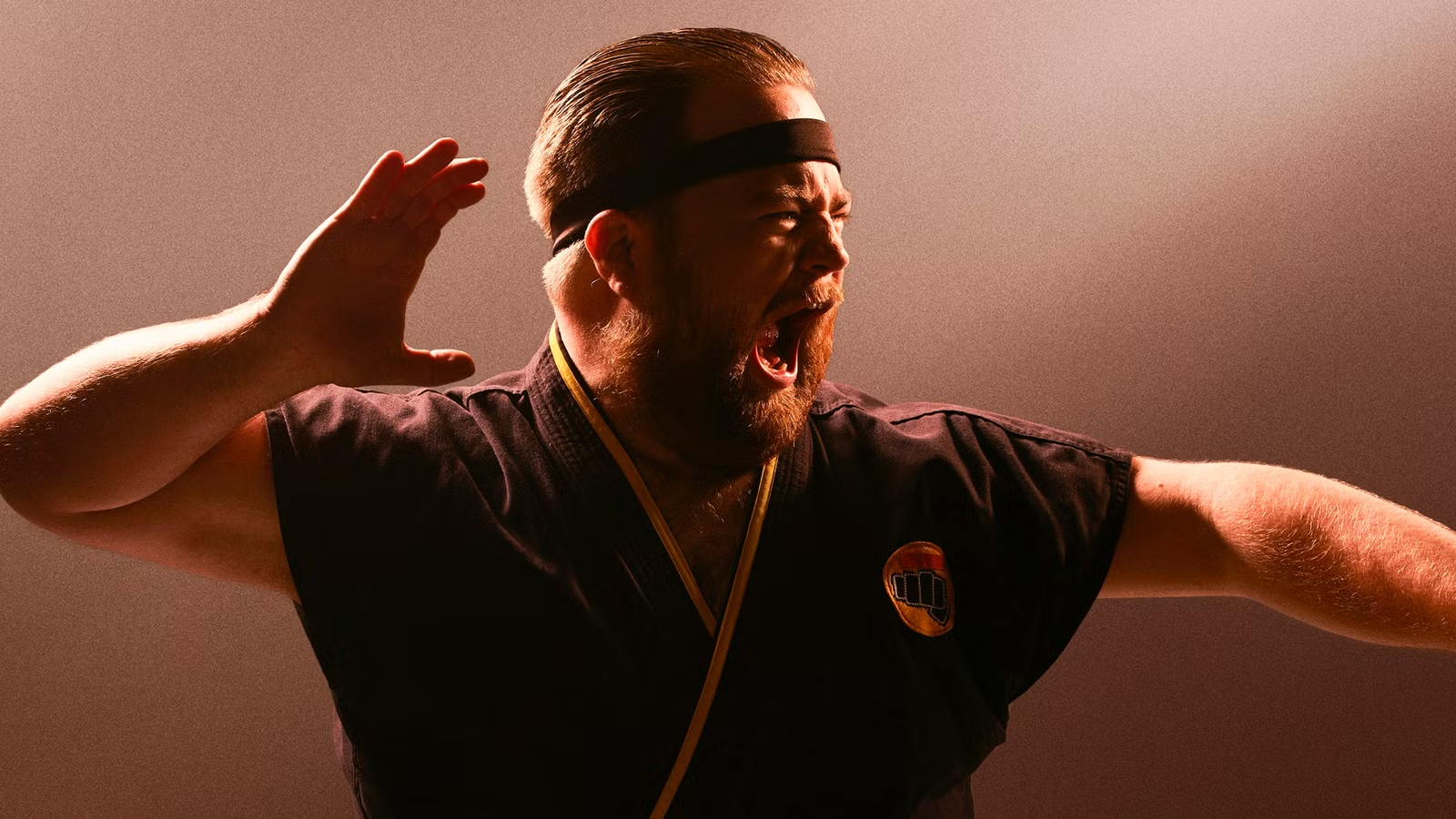
Casting choices for the *Scooby-Doo* series reflect a data-driven approach to audience targeting and retention. The reported casting of Maxwell Jenkins (from Netflix’s *Lost in Space*) leverages existing platform data to minimize friction for viewers transitioning to a new series. Netflix can precisely target existing fans of Jenkins with promotional material, increasing the likelihood of initial viewership and engagement. The potential inclusion of Paul Walter Hauser (known for his role in *Cobra Kai*) further demonstrates a strategy aimed at direct audience migration. By linking a departing anchor property’s cast member to the new series, Netflix creates a clear pathway for subscribers to transition their loyalty. This multi-pronged strategy, combining established young talent like McKenna Grace with the continuity of Frank Welker’s voice acting, aims to appeal to diverse audience segments while maximizing initial viewership metrics.
Production Efficiency and Financial Implications: The Script-to-Series Commitment
Netflix’s operational strategy for high-stakes adaptations like *Scooby-Doo* is defined by a commitment to production efficiency and risk management. The project’s “script-to-series commitment” streamlines the development process by committing significant resources only after a developed script demonstrates clear viability. This model, often in collaboration with high-volume producers like Berlanti Productions, reduces financial risk compared to traditional pilot production and provides a clear path to production, minimizing uncertainty for all parties involved. From a financial perspective, investing in known IP like *Scooby-Doo* allows Netflix to better forecast audience reception and potential return on investment (ROI), particularly as investors prioritize sustainable profitability over rapid subscriber growth. This strategic deployment of capital and operational efficiency is critical for navigating the post-anchor series era.