NCAA Opener: Queens’ ‘Street Dog’ Ethos Confronts Purdue’s Title Aspirations
The 2026 NCAA Men’s Basketball Tournament tips off for the #2 seeded Purdue Boilermakers against the #15 seeded Queens University Royals, a matchup fraught with strategic implications. Scheduled for Friday, March 20, in St. Louis, this encounter transcends a mere seeding differential, serving as a critical test of resilience against potential top-seed complacency. Historical tournament upsets, such as Wisconsin’s unexpected loss to High Point and a Duke player’s admitted “cakewalk” mentality against Siena, underscore a recurring vulnerability for higher-seeded teams to underestimate determined underdogs.
Queens University: Cultivating a Disruptive ‘Street Dog’ Ethos
Queens University, a private institution from Charlotte, North Carolina, enters the tournament propelled by a distinctive organizational culture, epitomized by its unofficial mascot, Buddy the Dog. This hollowed-out German Shepherd replica, complete with a studded collar and ‘B’ necklace, symbolizes a foundational “street dog mentality”—a culture of relentless effort, competitive grit, and a refusal to yield. Buddy serves as a tangible incentive mechanism, awarded post-game to the player demonstrating critical, unquantified contributions like taking charges or diving for loose balls. This operationalized system explicitly values intangible resilience alongside statistical performance, fostering a psychological edge rooted in collective tenacity.
Institutional Leverage: Beyond the Bracket for Queens
Queens University’s NCAA tournament debut marks a pivotal institutional milestone, validating a strategic investment in athletic program development. Their #15 seed, earned through a hard-fought overtime victory against Central Arkansas in the ASUN Conference championship, demonstrates their capacity for peak performance under pressure and signifies a potent “hot streak” narrative. For a private university, this national platform offers profound long-term benefits: unparalleled brand visibility, increased appeal for prospective students, enhanced alumni engagement, and potential boosts in philanthropic contributions. Participation elevates the institution’s overall market perception and builds significant reputational capital, far exceeding immediate athletic outcomes.
Purdue’s Strategic Imperatives: Mitigating Historical Vulnerability
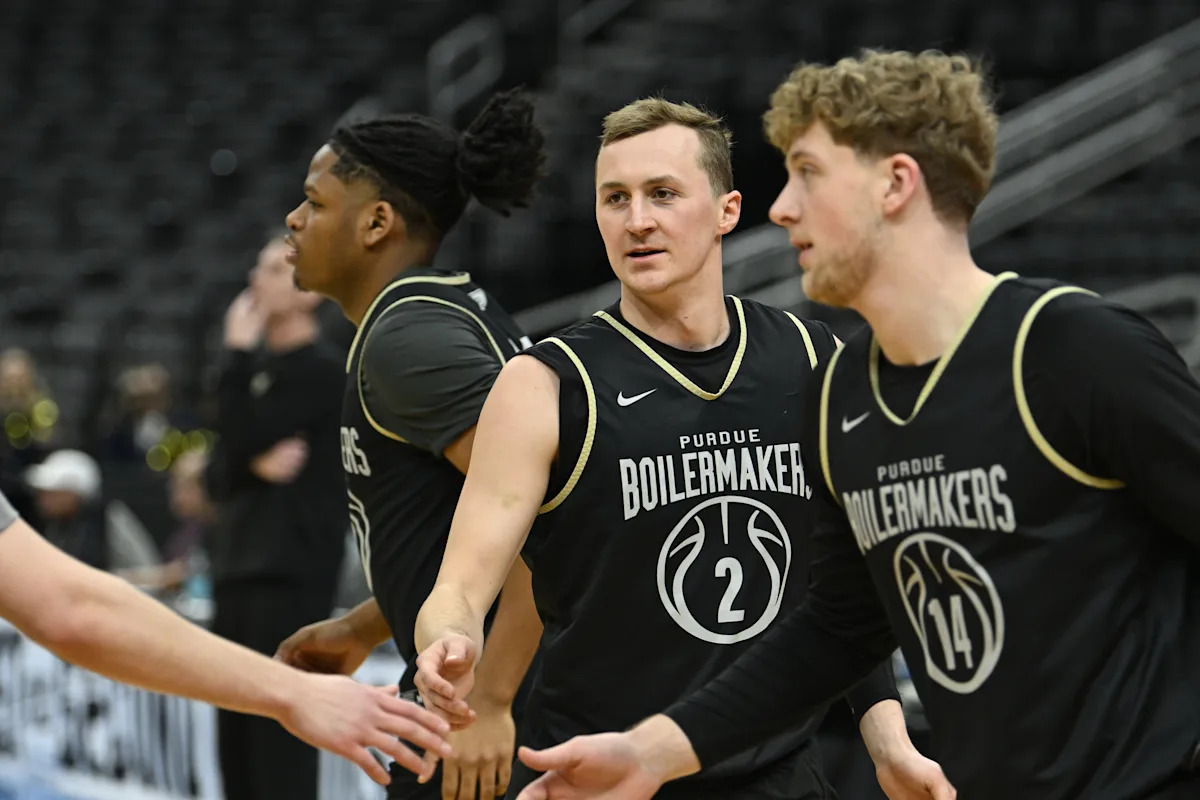
Purdue, with a 27-8 record and a #2 seed, faces a complex strategic imperative: not just to win, but to decisively assert control and neutralize Queens’ disruptive potential. The Boilermakers’ documented “history with lower seeded teams,” notably their past vulnerability against FDU three years prior, creates heightened pressure and mandates meticulous preparation. Staff predictions emphasize preventing Queens from dictating game tempo, demanding a proactive approach to control offensive pace. This historical context informs current strategic planning, making early dominance paramount. Key players like Braden Smith are expected to leverage individual strengths—such as early assist records—to establish an insurmountable lead, preempting any underdog momentum and managing both on-court performance and stakeholder expectations.
Tactical Clash: Pace, Pressure, and Positional Advantage
The tactical dynamic hinges on a direct clash of operational philosophies. Queens’ stated preference to “run run run run run on offense” directly challenges Purdue’s ability to impose its strategic will and preferred pace. Purdue’s coaching staff, recognizing Queens’ “shooters,” must implement disciplined defensive schemes to disrupt the Royals’ offensive flow and deny rhythm. The strategic objective for Purdue is to leverage its superior talent and experience at every position to “exert their will” through efficient offense, disciplined defensive rotations, and dominant rebounding. This approach is crucial to transforming individual competitive advantages into collective dominance and preventing a smaller, less experienced team from dictating terms.
The Broader Ecosystem: Economic and Reputational Stakes
This NCAA Tournament opener is embedded within a substantial economic and media ecosystem. Live broadcasts on truTV and extensive radio coverage via the Purdue Global Radio Network underscore the significant commercial value and public interest. The Enterprise Center in St. Louis, with its 18,096 capacity, highlights the extensive infrastructure and local economic impact generated by hosting tournament games, through ticket sales, hospitality, and ancillary services. For participating institutions, media rights and tournament unit shares constitute a critical revenue stream, directly influencing athletic department budgets and long-term financial stability. A deeper tournament run translates into millions of dollars in financial benefits, amplifying the stakes for both programs.
Cascading Effects on Institutional Positioning and Stakeholders
The outcome of this initial game will have cascading effects on a diverse range of stakeholders. For Queens University, even a competitive loss significantly enhances its national reputation, attracting higher-caliber recruits and bolstering alumni pride, thereby improving its long-term institutional positioning. Conversely, an early exit for Purdue would trigger substantial scrutiny, impacting fan morale, donor confidence, and potentially influencing future coaching and roster decisions. The performance of a #2 seed is intrinsically linked to the institution’s overall brand equity. Furthermore, the success of both teams reflects on their respective conferences, influencing strength ratings and future allocations of NCAA tournament bids, showcasing the interconnectedness of collegiate athletics.
Conclusion: The Enduring Allure of the Underdog Narrative
The Queens-Purdue matchup embodies the enduring allure of the NCAA Tournament’s underdog narrative. Queens’ “street dog mentality” and their improbable journey to March Madness in their inaugural year of eligibility create a compelling story that resonates widely. Amplified by recent upsets, this encounter reinforces the tournament’s competitive integrity, where advancement is earned, not conferred by seeding. The potential for a #15 seed to challenge a #2 seed is precisely what captivates audiences, transforming each game into high-stakes drama. Ultimately, the tournament provides a powerful platform where institutional identity, competitive ethos, and strategic execution converge, adding another chapter to the rich tapestry of March Madness.