NBA Finals 2026: Deconstructing Strategic Dynamics Through Expert Analysis
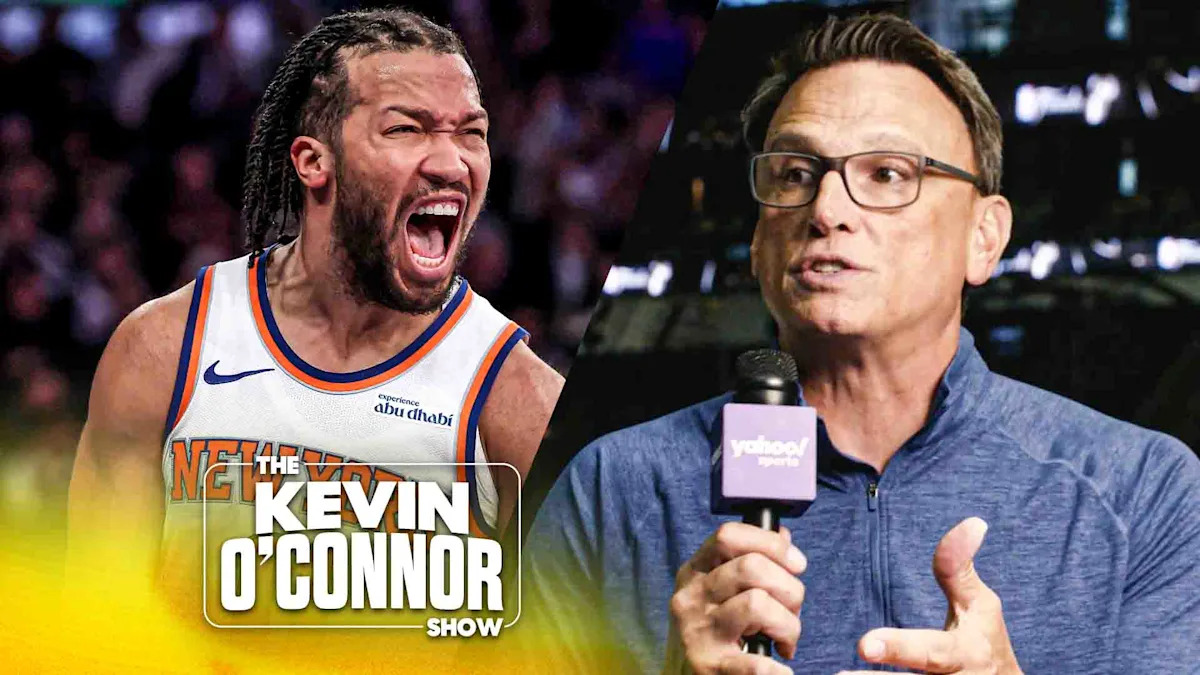
The 2026 NBA Finals, pitting the Knicks against the Spurs, transcends mere athletic contest; it’s a high-stakes arena where expert commentary profoundly influences public perception, strategic discourse, and the broader economic landscape of professional basketball. Leading analysts like Yahoo Sports’ Kevin O’Connor and ESPN’s Tim Legler don’t just speculate; their insights form a critical component of the sports media ecosystem, shaping fan engagement, driving betting markets, and directly informing the strategic considerations of participating franchises. This analytical layer dissects player performance, team dynamics, and competitive implications, elevating the discourse and reinforcing the cultural significance of the championship series.
Key Player Dynamics: Clutch Efficacy vs. Perceived Vulnerability
A central tenet of pre-series analysis focuses on the contrasting performance profiles of key players, particularly Jalen Brunson of the Knicks and De’Aaron Fox of the Spurs. Analysts consistently highlight Brunson’s exceptional proficiency in “clutch time moments” – late-game scenarios demanding decisive execution under pressure. This attribute isn’t merely an individual accolade; it carries profound strategic implications, enabling the Knicks to dictate offensive flow in critical possessions and altering defensive assignments for opponents. Such consistent reliability in high-leverage situations significantly elevates Brunson’s market value, strengthens his personal brand for endorsements, and justifies substantial franchise investment, influencing long-term roster construction and future free-agent pursuits.
Conversely, critical scrutiny has fallen upon De’Aaron Fox, with analysts noting a visible reduction in his characteristic quickness and overall effectiveness during the preceding playoff round against the Thunder. This perceived decline, likened to a veteran experiencing diminished athleticism, presents a significant strategic vulnerability for the Spurs. Opposing teams, specifically the Knicks, would undoubtedly devise defensive schemes to exploit this, potentially forcing other Spurs players into uncomfortable playmaking roles or dictating a slower offensive tempo. The intense playoff spotlight on star players means any dip in form has substantial competitive and financial ramifications, potentially impacting Fox’s long-term contract negotiations and the Spurs’ offseason priorities, including draft strategy and trade considerations.
The Strategic Ecosystem: From Analysis to Operational Execution
Expert analysis, far from being passive commentary, actively informs the strategic ecosystem of both competing franchises. Coaches and their staff meticulously dissect these insights to refine game plans, identify specific matchup advantages, and anticipate opponent adjustments. For the Knicks, leveraging Brunson’s late-game prowess involves structuring plays to maximize his opportunities in critical possessions, potentially dictating offensive flow in the fourth quarter. This requires precise execution and a deep understanding of player tendencies under pressure.
Conversely, the Spurs must address the concerns surrounding Fox’s performance. This could involve tactical adjustments to mitigate his perceived limitations, empowering other players to share ball-handling responsibilities, or implementing schemes that mask any athletic deficiencies. These operational decisions are pivotal, directly influencing the flow and outcome of individual games within the series. Beyond immediate game planning, the high-stakes environment of the Finals and the accompanying expert scrutiny influence broader organizational strategy. A championship victory, particularly one propelled by a standout player, enhances a team’s brand equity and attractiveness to future talent, while perceived weaknesses necessitate critical offseason re-evaluation of roster construction, player development, and cap management. This feedback loop between expert analysis and internal strategic adjustments shapes competitive landscapes for years.
Media Amplification: Crafting Narratives and Driving Market Dynamics
The modern sports media landscape, encompassing podcasts, broadcasts, and digital platforms like Apple Podcasts, Spotify, and YouTube, serves as a powerful amplifier for analytical discourse. Experts like O’Connor and Legler play a crucial institutional role, translating complex athletic dynamics into accessible insights for a global audience. Their commentary shapes the overarching narrative of the Finals, framing key matchups, individual player stories, and potential turning points. This narrative construction distills complex team dynamics into compelling storylines, directly influencing fan engagement, viewership, and the emotional investment in the championship series. The emphasis on individual player heroics in clutch moments, like Brunson’s, resonates with historical championship narratives, solidifying legacies and contributing to the league’s enduring lore.
This amplified narrative directly impacts market dynamics. Expert opinions create tangible economic leverage, influencing betting odds and player valuations. Positive commentary on clutch performance elevates a player’s status, increasing their leverage in future contract negotiations and expanding their personal brand through endorsements. Conversely, critical assessments can heighten scrutiny, potentially affecting perceived value and future opportunities. For teams, strategic decisions are intensely evaluated, impacting fan sentiment and franchise reputation. The robust analytical dialogue, therefore, fuels not just competitive excitement but also significant capital movement within the sports wagering ecosystem, underscoring the deep economic impact of informed discourse.
Economic Imperatives: The Financial Ecosystem of a Competitive Finals
A key prediction from expert panels anticipates a series defined by multiple close finishes rather than one-sided blowouts. This forecast carries substantial financial implications for the NBA, its broadcast partners, and associated commercial entities. Competitive, tightly contested games are inherently more appealing to television audiences, directly translating into higher viewership ratings and, consequently, increased advertising revenue for broadcasters. This heightened engagement reinforces the value of multi-billion-dollar media rights agreements, a cornerstone of the NBA’s financial model. For the league itself, a compelling Finals maximizes its brand equity and global appeal, attracting new fans and solidifying existing loyalties.
The sustained excitement generated by close games is a powerful driver for merchandise sales, ticket demand, and overall league profitability. By fostering competitive balance and promoting narratives of high-stakes drama, the NBA strategically reinforces its position as a premier global sports entertainment product. The interplay of on-court performance, media perception, and economic valuation creates a dynamic feedback loop where sustained competitive intensity directly correlates with enhanced commercial success, ensuring the long-term vitality and profitability of the sport.