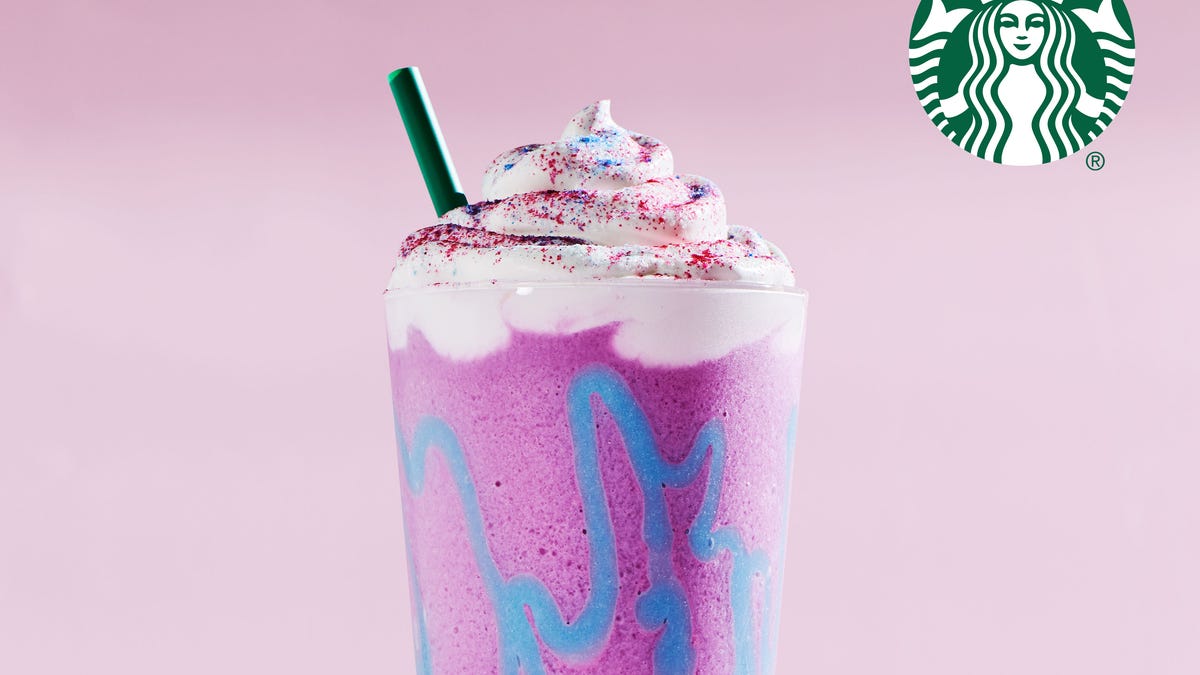
The tactical reintroduction of the Unicorn Frappuccino for a strictly limited 48-to-72-hour window represents a sophisticated pivot toward hyper-scarcity marketing. By compressing the availability of a high-equity cultural artifact, Starbucks prioritizes immediate brand heat and digital ecosystem growth over sustained sales volume. This strategy signals a move away from traditional seasonal cycles toward high-impact, event-based retail designed to stimulate immediate consumer action.
Economics of Scarcity and Consumer Psychology
Leveraging the 2017 viral phenomenon serves as a primary lever to re-engage a consumer base desensitized by standard promotional cadences. This deployment utilizes the psychological principle of loss aversion; by framing the beverage as a fugitive event, the organization maximizes the urgency of the transaction. This model allows the firm to capture the apex of the social media interest curve while mitigating the diminishing returns and inventory risks associated with long-term menu placement.
Financially, this narrow window functions as a high-velocity customer acquisition funnel. The requirement for rapid fulfillment during peak demand incentivizes the adoption of the Starbucks rewards ecosystem, converting transient foot traffic into actionable first-party data. This surge of user behavior metrics is essential for refining the predictive algorithms that govern regional promotions and supply chain forecasting.
Operational Throughput and Supply Chain Synchronization
The complexity of the beverage—characterized by color-shifting powders and multi-layered assembly—imposes a significant stress test on store-level throughput. Maintaining service speed during these high-intensity windows requires precise labor allocation and specialized training for frontline partners. The core operational risk involves a potential degradation of the experience for customers seeking core menu items, necessitating a balance between novelty production and standard efficiency.
Logistically, the synchronization of specialty, perishable ingredients across a global footprint requires an optimized procurement strategy. By utilizing ingredients that align with the broader 2026 summer menu—such as pH-sensitive natural colorants—the company achieves greater economies of scale. Any residual inventory is likely treated as a negligible marketing expense or repurposed for upcoming product iterations, ensuring a lean operational profile.
Synergistic Innovation and the Experience Economy
The timing of this release, alongside the Tropical Butterfly Refresher and pearl-based beverages, illustrates a strategic focus on ‘visual utility’ and textural innovation. These products compete directly with specialized boba and boutique tea retailers by integrating sensory elements like ‘bursting’ pearls and natural color transitions. This shift acknowledges that in the modern market, the visual documentation of the consumption event is often as valuable to the consumer as the product itself.
The Coachella beta test provided a controlled environment to gauge operational bottlenecks and consumer sentiment prior to a wider rollout. By seeding the product at high-profile cultural events, Starbucks successfully bridges the gap between traditional retail and the ‘experience economy.’ This strategy reinforces the brand’s position as a trend-setter, reclaiming the ‘viral’ category from emerging aesthetic-first competitors while utilizing existing R&D from the corporate recipe vault to ensure high ROI.
Future Implications for Product Lifecycles
This shift toward ephemeral ‘flash events’ may redefine Starbucks’ product lifecycle management. If successful, the ‘blip’ model could be applied to other legacy assets, creating a dynamic, rotating menu that maintains constant digital relevance. The challenge remains in balancing these high-intensity moments with the brand’s identity as a premium coffee provider, ensuring that the novelty of the ‘drop’ does not lead to long-term consumer fatigue.