Moller’s Madrid Breakthrough Redefines Strategic Leverage
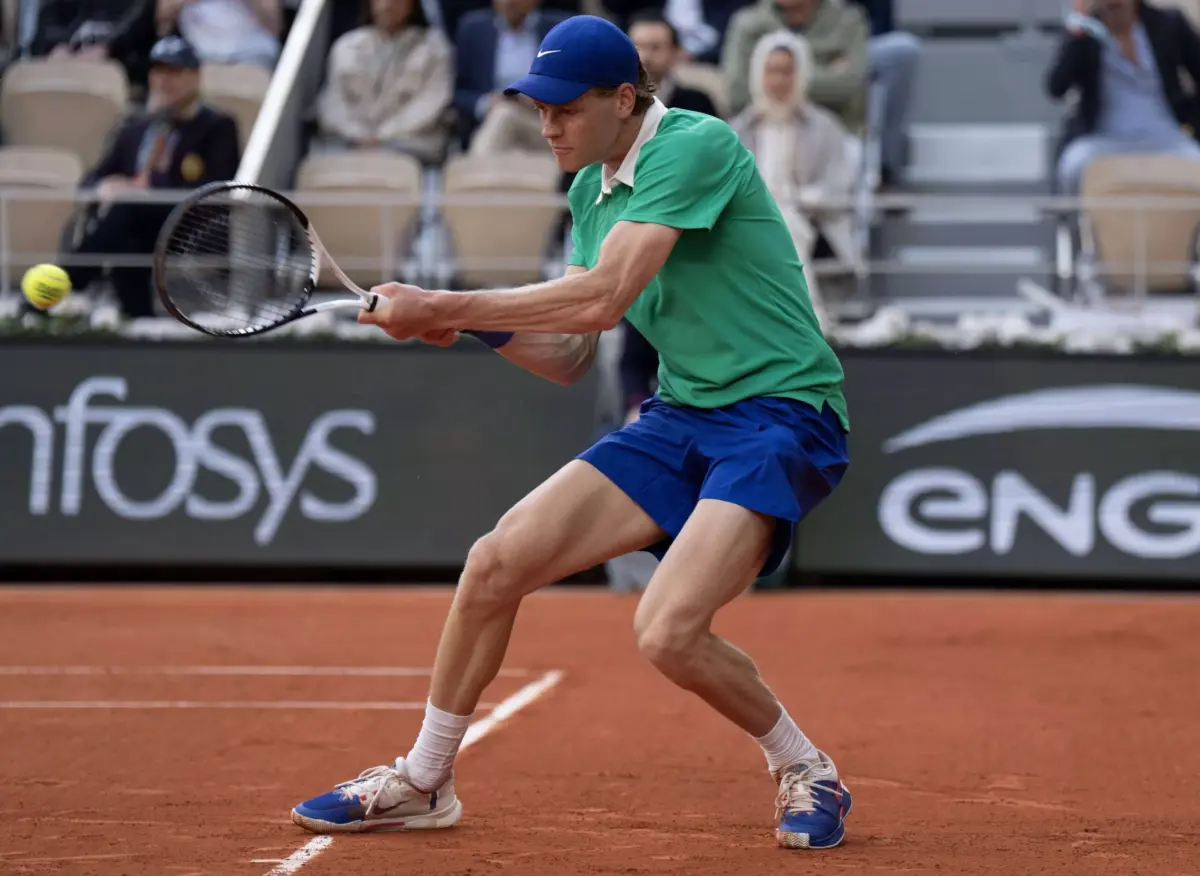
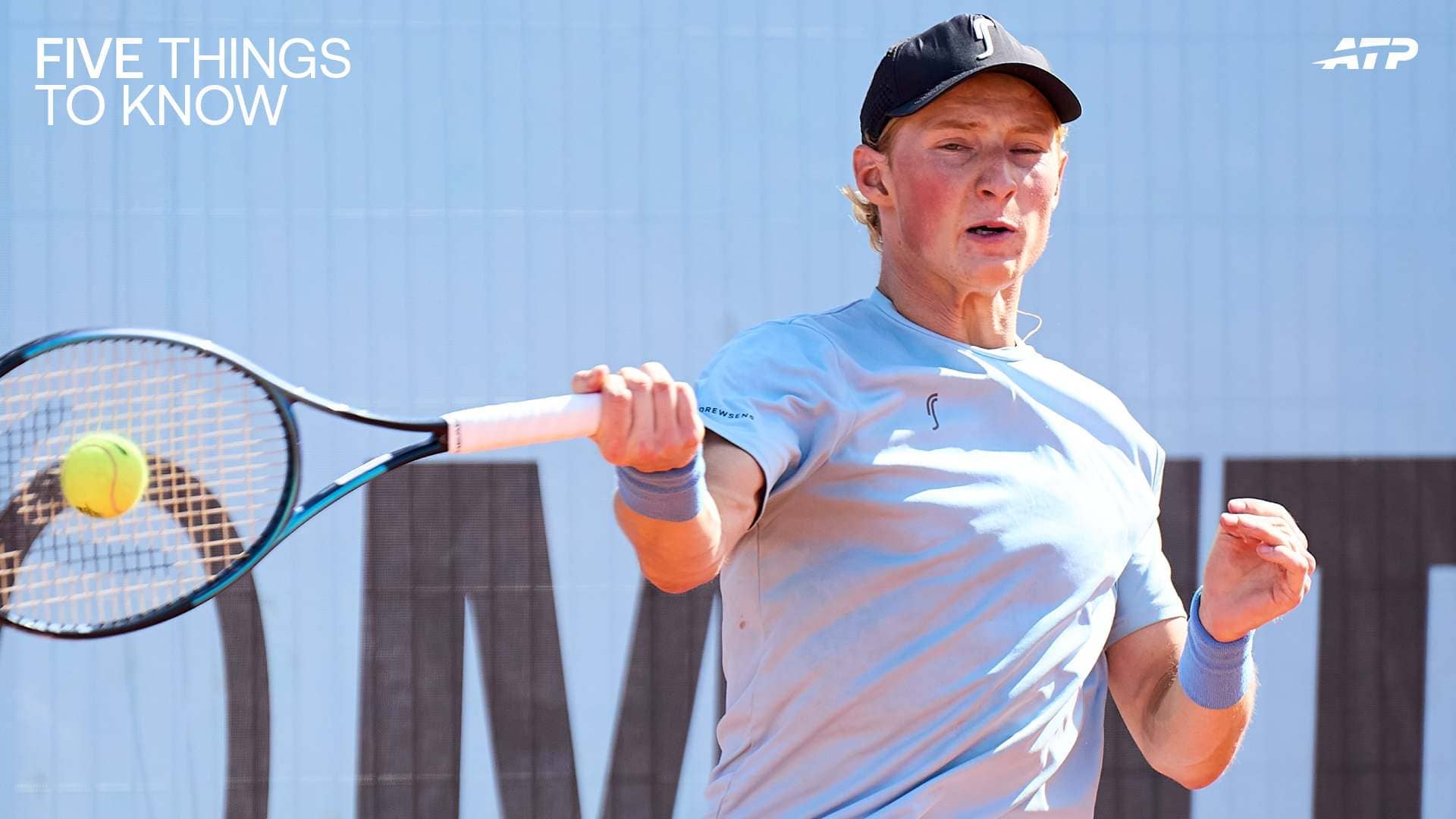
Elmer Moller’s unexpected progression at the Mutua Madrid Open has created a significant inflection point, setting up a high-stakes third-round clash against World No. 1 Jannik Sinner. The 22-year-old Dane, having secured back-to-back ATP Tour main draw wins for the first time in his career, now faces Sinner, who enters the match on an 18-match winning streak. This encounter transcends a simple match-up; it serves as a critical test of Moller’s strategic development and a potential disruption to the established hierarchy of the ATP Tour. Moller’s trajectory exemplifies how Masters 1000 events offer unique opportunities for emerging players to capitalize on competitive shifts, particularly those created by high-profile withdrawals that open the draw and increase strategic complexity.
Performance Analysis: Technical Skill and Resilience
Moller’s success in Madrid is underpinned by specific technical adjustments and tactical execution that have allowed him to leverage his strengths against higher-ranked opponents. His two-handed backhand has emerged as a primary weapon, evidenced by the 14 backhand winners he struck during his first-round victory. This specific technical advantage provides a crucial counterpoint to Sinner’s reputation as one of the cleanest ball-strikers on the Tour, forcing the top seed to adapt his strategy to mitigate Moller’s offensive capabilities. The strategic value of this backhand was further demonstrated in Moller’s match against Gabriel Diallo, where it created significant problems for the World No. 36.
A detailed analysis of Moller’s performance against Diallo reveals key insights into his mental fortitude under pressure. Despite being broken in his first service game, Moller immediately broke back, demonstrating resilience and an ability to quickly reset his focus. This ability to neutralize strategic attacks and maintain offensive pressure on his preferred wing indicates a level of tactical maturity essential for competing effectively at the Masters 1000 level. The capacity to manage momentum shifts and perform effectively during critical junctures is a defining characteristic of players successfully transitioning to the elite level, highlighting Moller’s psychological toughness required to compete against top players.
Operational Context and Career Trajectory
The specific conditions of the Mutua Madrid Open, particularly its high altitude, play a critical role in shaping competitive outcomes and player strategy. Moller’s comfort level in the Spanish capital, where he made his ATP Tour debut last year, provides a non-trivial operational advantage. High altitude affects ball speed, spin, and player endurance, often favoring players who have adapted their game to these unique environmental factors. Moller’s successful adaptation to these conditions, demonstrated by his ability to qualify and secure multiple main draw victories, contrasts with players who struggle with the altitude’s impact on their standard game. This suggests a deliberate strategic focus on leveraging this specific tournament environment.
This run in Madrid represents a significant milestone in Moller’s career trajectory, moving beyond the Challenger circuit to establish himself as a viable competitor on the main tour. His victory over Diallo, the second-biggest result of his career, signals a critical shift in his professional standing. The financial and ranking implications of a deep run at a Masters 1000 event are substantial, providing access to larger prize pools and higher-tier tournaments, which fundamentally alters a player’s long-term career viability. For the broader tennis ecosystem, these emerging narratives of rising talent challenging established dominance are crucial for maintaining fan engagement and generating media interest beyond top-tier rivalries.
Implications for Future Tournaments and Market Position
Moller’s performance in Madrid has significant implications for his future participation in ATP events. A strong showing here will likely secure him direct entry into future tournaments, bypassing the arduous qualifying rounds. This transition reduces physical and mental strain, allowing him to focus on main draw competition and further refine his game. The experience gained from competing against top players like Sinner provides invaluable feedback for strategic development and long-term planning. The match against Sinner also provides a unique opportunity for Moller to gain significant exposure to potential sponsors and media stakeholders, potentially increasing his marketability and brand value regardless of the outcome. The outcome of this match will not only determine Moller’s immediate future in Madrid but also serve as a benchmark for his potential to become a consistent presence on the main ATP Tour.