Minnesota Storms Expose Grid Resilience Gaps: An Analytical Post-Mortem of Xcel Energy’s Response
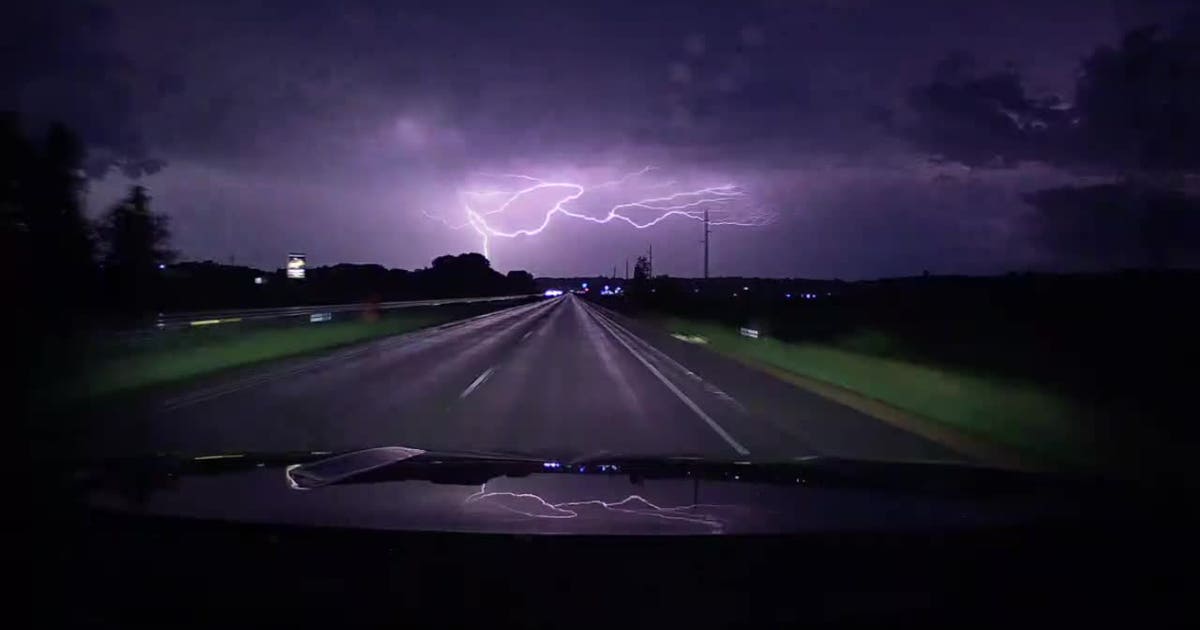
Overnight severe thunderstorms sweeping through Minnesota, particularly the Twin Cities metropolitan area, have triggered widespread service disruptions, leaving tens of thousands of Xcel Energy customers without power. Characterized by high-velocity wind gusts, intense lightning, and localized downpours, the storm system downed major distribution lines and mature trees. This environmental stress test has laid bare the persistent vulnerabilities of overhead distribution infrastructure and highlighted the operational challenges of maintaining grid reliability amid escalating climate volatility.
Operational Impact and Localized Vulnerabilities
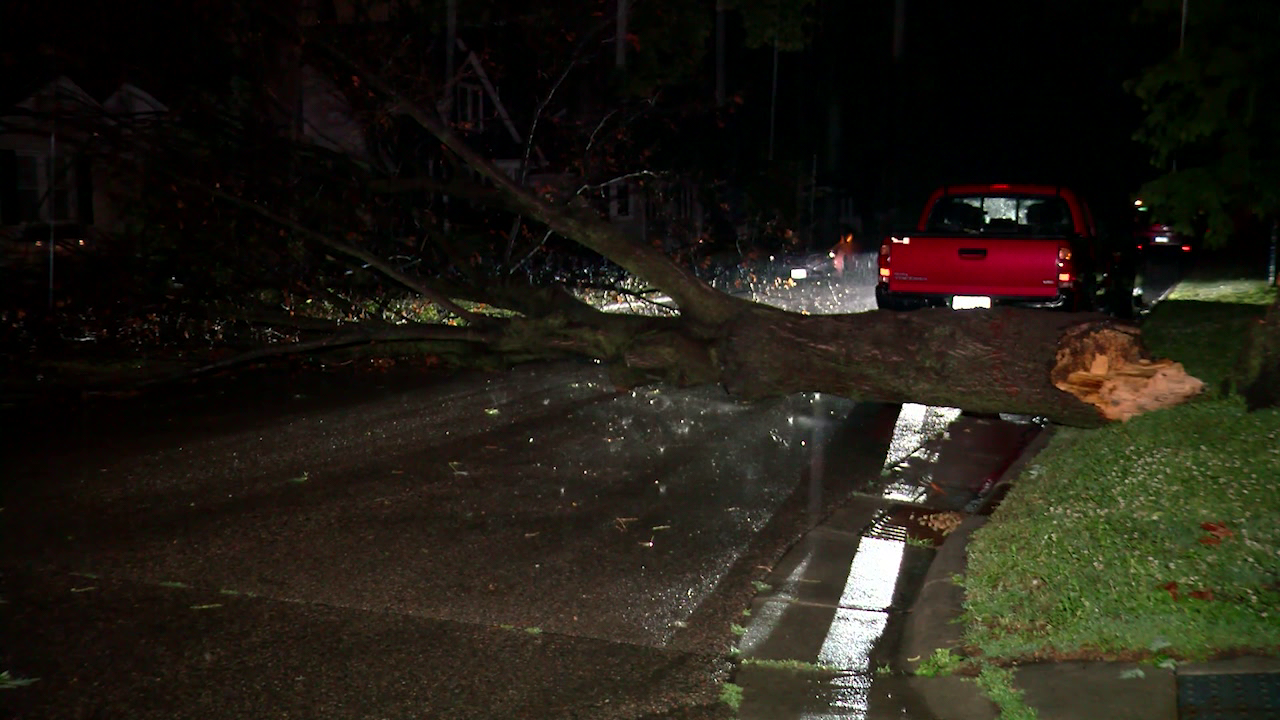
At the peak of the disruption, outages impacted nearly 75,000 customers, consolidating to approximately 45,000 across 460 distinct outages by Wednesday morning. Granular outage telemetry indicates that the most severe disruptions occurred in the eastern Twin Cities. This geographic concentration points to localized structural liabilities—such as older overhead distribution circuits, higher concentrations of mature tree canopies, or localized wind shear. A notable incident reported by FOX 9 at West James Avenue and Wheeler Street in St. Paul, where downed trees compromised critical utility assets, underscores the ongoing exposure of overhead systems to physical vectors of damage.
The CAPEX Dilemma: Grid Hardening vs. Cost-Benefit Realities
For utilities like Xcel Energy, mitigating these vulnerabilities requires navigating complex capital expenditure (CAPEX) trade-offs. While the strategic pre-deployment of repair crews demonstrated operational foresight, the scale of the outages indicates that reactive mobilization cannot fully compensate for structural deficits. Grid-hardening strategies present clear options, yet each carries significant financial and regulatory hurdles:
- Targeted Undergrounding: Relocating overhead distribution lines underground virtually eliminates wind and vegetation hazards, but demands capital-intensive excavation often costing several times more per mile than overhead alternatives.
- Vegetation Management Protocols: While aggressive tree-trimming remains a highly cost-effective preventative measure, it frequently runs into localized public resistance and regulatory constraints regarding canopy preservation.
- Structural Reinforcement: Retrofitting existing circuits with composite poles, stronger cross-arms, and automated smart-grid switches (reclosers) offers a balanced compromise, limiting fault propagation without the extreme cost of undergrounding.
Regulatory Pressures and Performance Metrics
As state regulators increasingly pivot toward performance-based ratemaking, reliability metrics like SAIDI (System Average Interruption Duration Index) and SAIFI (System Average Interruption Frequency Index) are directly linked to financial performance. Widespread outages not only incur millions in immediate restoration and mutual-aid labor costs, but they also expose utilities to regulatory penalties, downward rate-case adjustments, and damaged consumer trust. To protect investor confidence and secure the capital required for future decarbonization and transition initiatives, Xcel Energy must leverage granular post-event data to prove to utility commissions that its capital investments are proactively neutralizing systemic risks rather than merely funding reactive repairs.