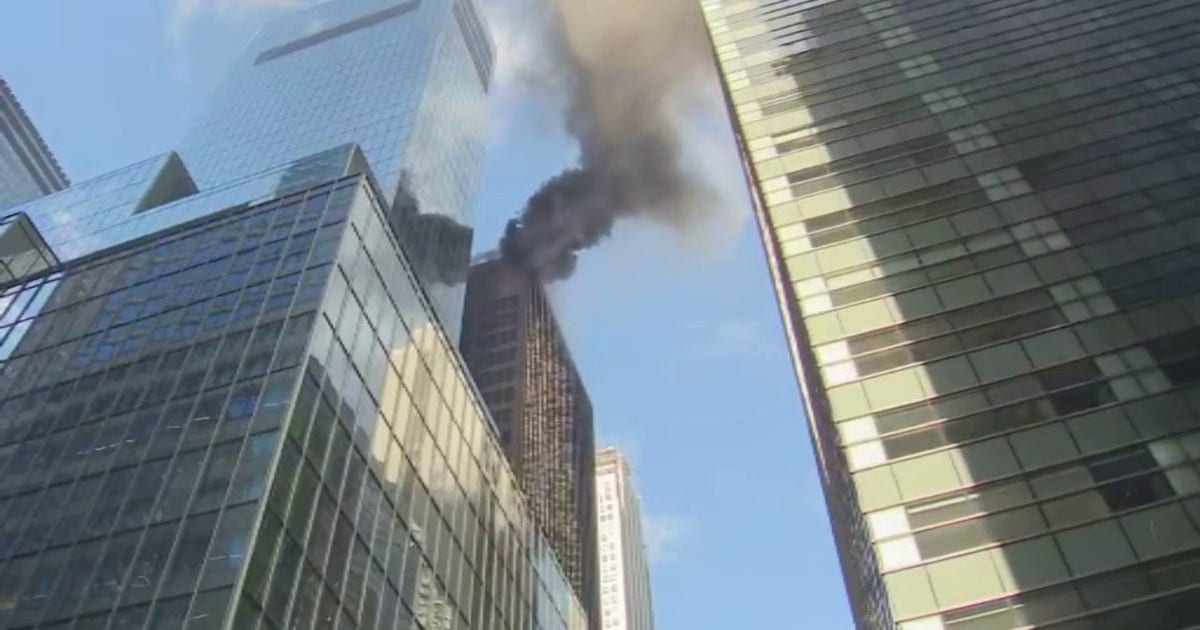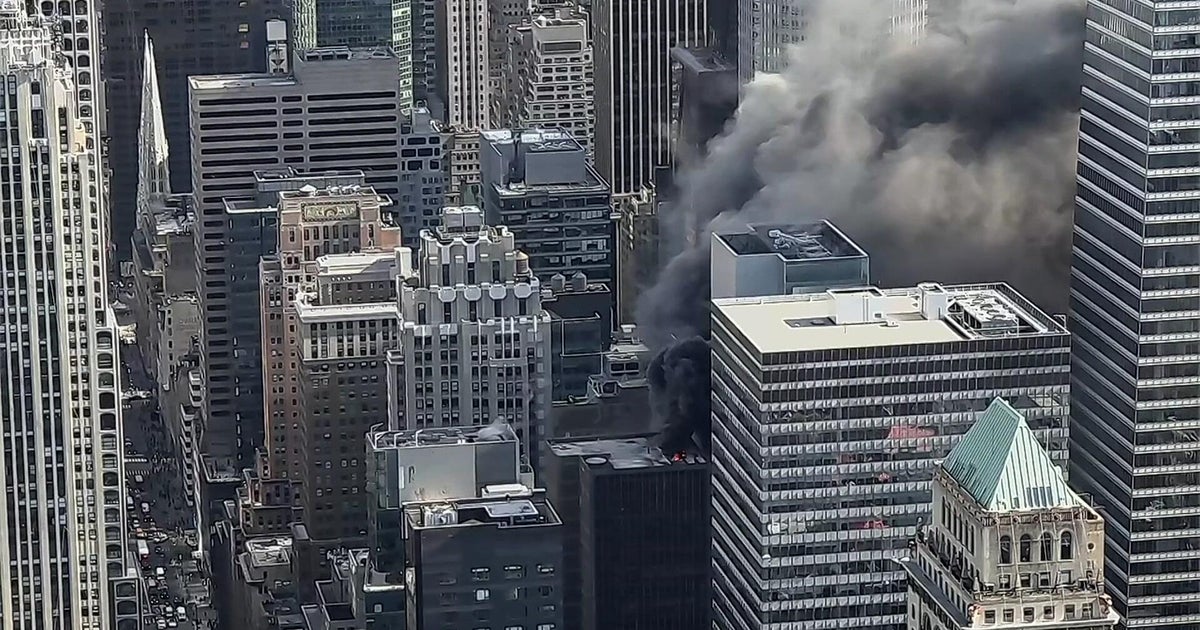
The ignition of a rooftop HVAC system at East 43rd Street and Madison Avenue on Tuesday morning serves as a critical case study in urban emergency management. Occurring approximately 60 minutes prior to the St. Patrick’s Day Parade’s 11 a.m. commencement at 44th Street and Fifth Avenue, the incident forced an immediate convergence of high-rise suppression tactics and Tier 1 event security protocols.
Vertical Fire Dynamics and the Stack Effect
The fire, localized within the mechanical penthouse of a commercial high-rise, triggered specific protocols designed to mitigate vertical smoke migration. In Manhattan’s vertical environment, the ‘stack effect’—driven by pressure differentials between interior and exterior temperatures—can rapidly draw combustion byproducts through elevator shafts and stairwells. FDNY operations prioritized containment to the unit of origin to prevent internal contamination of the building’s primary ventilation arteries.
Visual evidence of thick, hydrocarbon-rich smoke suggests the involvement of petroleum-based lubricants or synthetic cooling components. Suppression required specialized units capable of executing vertical hose stretches and managing the high-wind variables inherent to Midtown rooftops, where embers pose a secondary threat to street-level crowds.
Logistical Friction and Inter-Agency Deconfliction
The fire’s proximity to the parade’s primary staging area introduced significant operational friction. The necessity for FDNY apparatus positioning—specifically ladder pipes and hydrant access—directly conflicted with established NYPD security perimeters and marcher assembly zones. This necessitated real-time inter-agency coordination to maintain a sterile emergency corridor without compromising the safety of thousands of spectators along the Fifth Avenue spine.
The decision-making matrix for proceeding with the parade hinged on two technical factors: the declaration of ‘under control’ status and a structural assessment of potential falling debris. In high-density corridors, mechanical failures during mass-gathering events transform localized infrastructure issues into broader public safety crises.
Regulatory Compliance and Infrastructure Resilience
This failure underscores the maintenance imperatives established by New York City’s stringent building codes and Local Law requirements regarding HVAC inspections. As systems in aging commercial portfolios operate under constant load, the risk of electrical malfunctions or motor overheating remains a persistent vulnerability. The investigation will likely scrutinize recent certification records to identify potential pre-existing deficiencies in the cooling tower’s fire suppression systems.
From a risk-management perspective, the incident highlights the economic impact of mechanical failures, ranging from business interruption for corporate tenants near Grand Central to the liability associated with disrupting major civic events. For stakeholders, the event reinforces the necessity of redundant fire detection within mechanical spaces to ensure operational continuity in a 24-hour urban environment.