Operational Resilience in Professional Scheduling
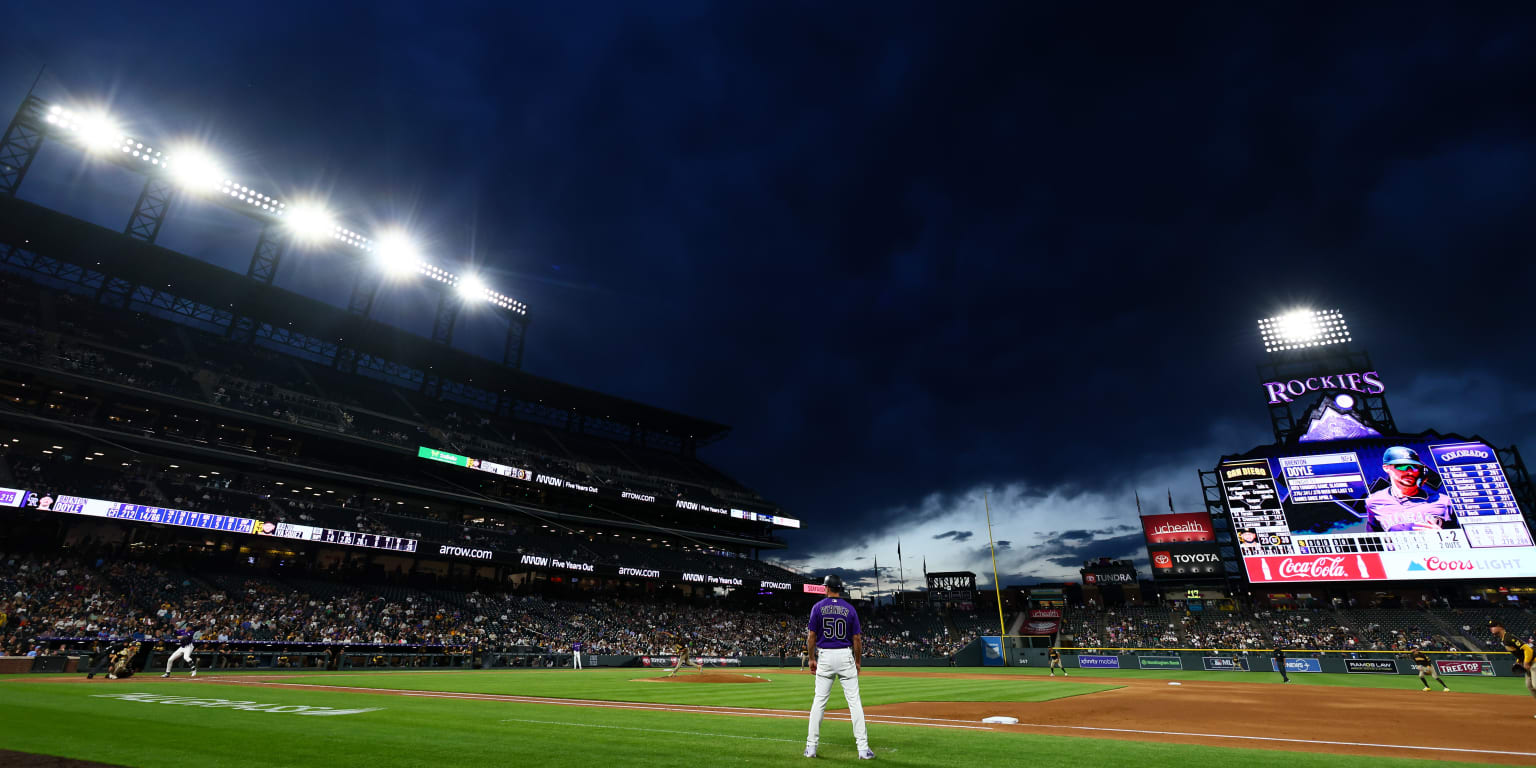
The Colorado Rockies’ decision to move their May 4, 2026, matchup against the New York Mets from 6:40 p.m. to 3:40 p.m. MT illustrates a data-driven approach to meteorological risk management. By adjusting the start time, the organization proactively mitigates the risk of game suspension due to a projected evening cold front, ensuring the integrity of the contest in Denver’s volatile high-altitude environment.
Financial Liability and Ticketing Ecosystems
This adjustment highlights the distinction between primary and secondary ticketing liabilities. While the Rockies maintain revenue continuity by honoring original tickets for the rescheduled slot—and providing credits for primary buyers—they explicitly disclaim responsibility for third-party transactions. This separation of liability creates a clear contractual boundary, shifting the risk associated with venue-related changes onto secondary marketplaces like SeatGeek.
Competitive Impact on Visiting Franchises
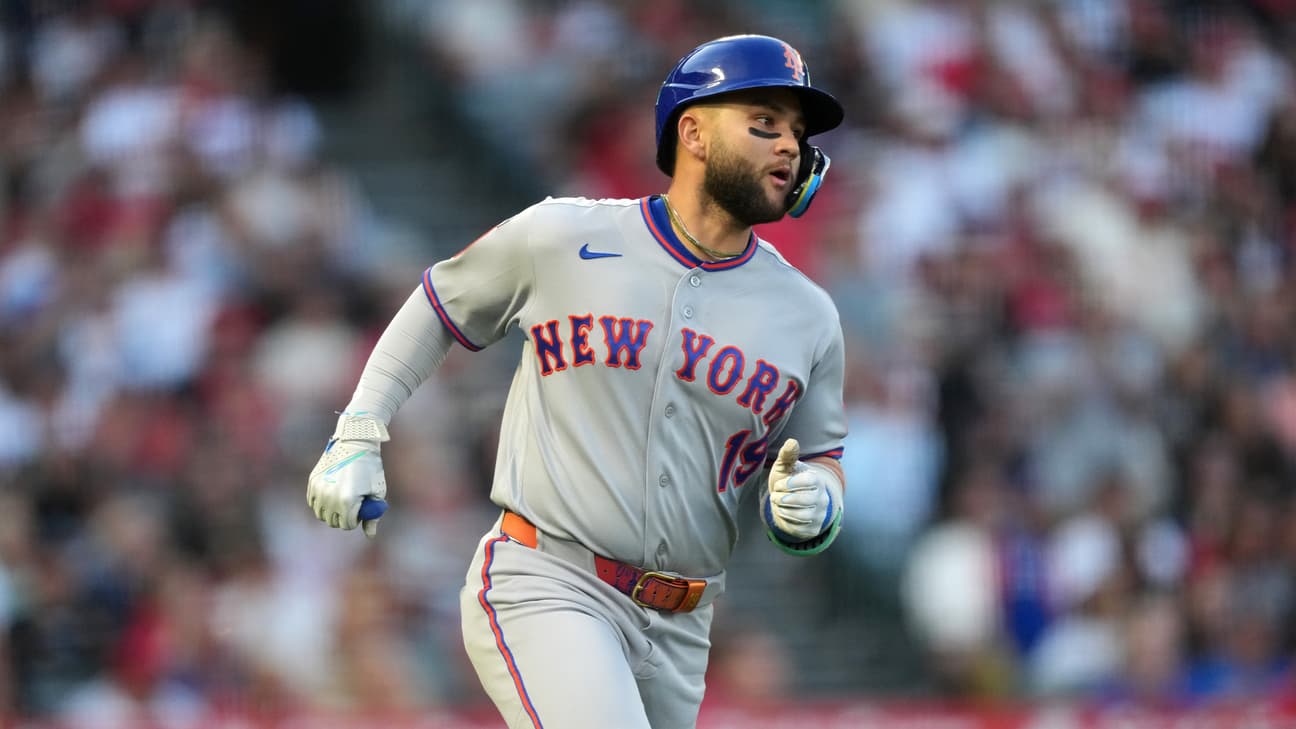
For a visiting team like the Mets, currently navigating a high-stakes nine-game road trip, schedule stability is paramount. Inflexible travel itineraries mean that unexpected time shifts can compress recovery windows and disrupt tactical preparations. The ability of the MLB to orchestrate these transitions is essential for maintaining the equilibrium of the competitive season.
Predictive Analytics in Venue Operations
The reliance on granular meteorological forecasting demonstrates the integration of predictive analytics into stadium management. By anticipating environmental hazards, the organization safeguards broadcast inventory and in-venue fan engagement—core pillars of the economic model of professional baseball. This operational agility serves as a template for modern sports administration, where the capacity to pivot in response to exogenous variables is a critical competitive advantage.