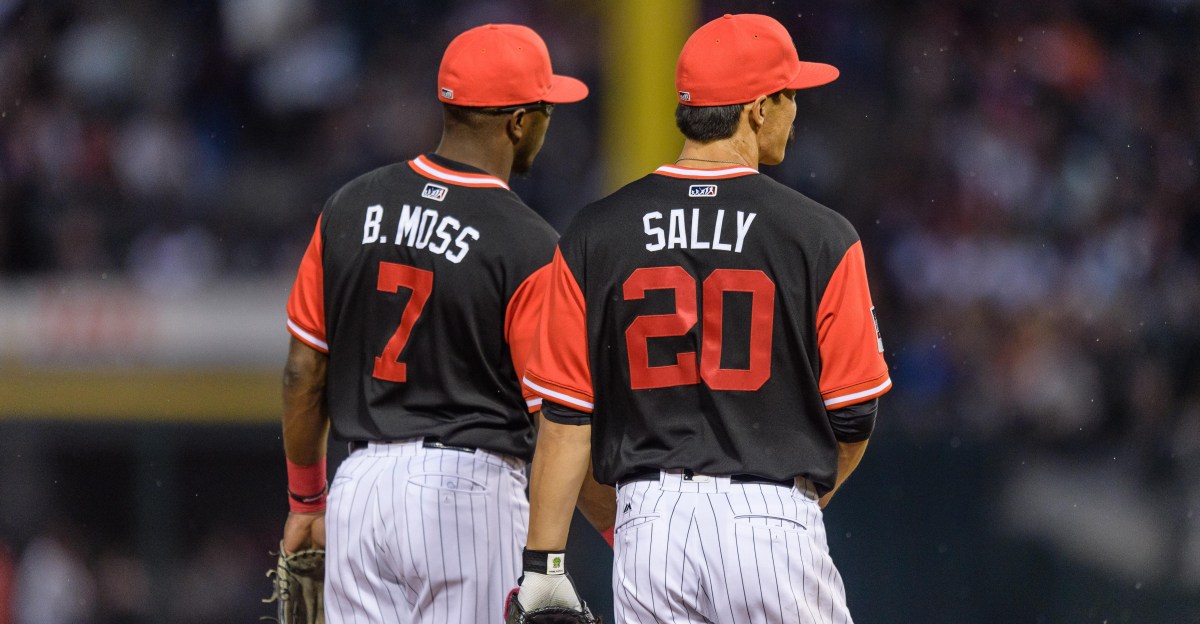
The Chicago White Sox, precariously holding a 66-61 record and the American League Central lead, prepare to host the New York Mets (58-70) in a critical late-August three-game series. This matchup at Rate Field presents a stark inversion of preseason expectations: the Mets, once projected as division contenders, arrive following a potent 5-1 homestand culminating in a five-homer offensive explosion Saturday night, while the White Sox, anticipated bottom-dwellers, are now defending a division lead.
Roster Economics and Competitive Inversion
Preseason forecasts often correlate payroll with win production, but the divergent paths of the Mets and White Sox in 2026 expose the systemic limitations of capital deployment without corresponding on-field execution. Expansive financial commitments acquire premium talent, yet structural roster balance and consistent operational performance more frequently dictate division race outcomes.
Chicago stands on the precipice of baseball history, aiming to become the first MLB franchise to reach the postseason after consecutive 100-loss seasons. This remarkable organizational pivot signifies an abrupt operational recovery from multi-year developmental troughs. While their late-August division lead validates internal roster restructuring, sustaining this narrow margin demands flawless execution, particularly against challenging interleague opponents like the Mets.
Interleague Venue Dominance and Historical Continuity
Despite their sub-.500 record, the Mets command significant historical momentum at Rate Field, boasting a dominant seven-game road winning streak against the White Sox. This includes consecutive series sweeps, notably in the summer of 2024. Chicago’s inability to defeat New York on home turf since June 25, 2013, creates a considerable psychological and institutional hurdle for the current division leaders, adding another layer of pressure to this critical series.
Further reinforcing this competitive disparity across evolving roster iterations, the Mets secured two of three games against the White Sox at Citi Field in May 2025. Such recurring outcomes across multi-year cycles suggest that specific organizational matchups can establish persistent competitive tendencies, transcending fluctuations in seasonal records.
Late-Season Leverage and Schedule Pressures
The White Sox’s division lead remains precarious, amplifying late-season competitive pressure amidst recent inconsistent performance. Following a sweep of the Detroit Tigers, Chicago faltered, dropping two of three to the Chicago Cubs and enduring severe offensive stagnation against the Atlanta Braves. With a pivotal division series against the Minnesota Twins looming next weekend, any dropped games against sub-.500 interleague opponents like the Mets carry compounding playoff implications for their postseason aspirations.
Conversely, the Mets, despite their overall record, pose a hazardous test due to a potent late-summer resurgence, securing 11 victories in their last 15 contests. This includes a recent two-of-three series win against the San Diego Padres, effectively cooling one of baseball’s most productive lineups. New York narrowly missed a sweep in that series, thwarted only by Fernando Tatis Jr.’s exceptional defensive play that prevented a Francisco Lindor grand slam, alongside his three-RBI performance in San Diego’s sole victory.
Rotation Strategy and Tactical Matchups
Starting pitching will be paramount for series leverage, with left-hander Sean Manaea slated to open for the Mets. Manaea’s deployment strategically tests a White Sox lineup recently plagued by inconsistent contact and offensive struggles. Early-inning run prevention will be crucial for the Mets to sustain Chicago’s offensive suppression and capitalize on their recent scoring momentum.
However, a closer examination of New York’s late-season surge reveals nuanced performance splits: outside of sweeps against the Cleveland Guardians and Washington Nationals, the Mets maintain a less impressive 5-6 record in August. Chicago’s operational imperative is to isolate New York’s key run-scoring threats early, preventing the Mets from replicating their five-homer power display witnessed Saturday night and denying them crucial offensive momentum.