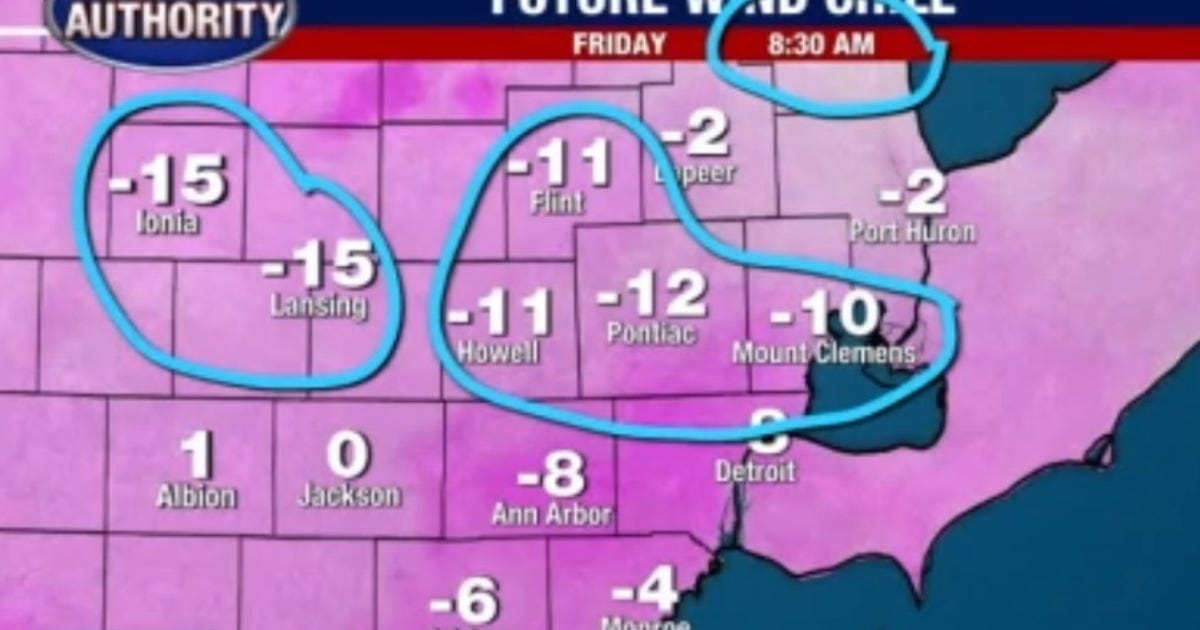
DETROIT – Schools across Metro Detroit and Southeast Michigan are closed, experiencing delays, or implementing early dismissals on Friday, January 30, 2026, as dangerous cold weather conditions continue to grip the region. The National Weather Service has issued a Cold Weather Advisory for most of Southeast Michigan, prompting widespread concern for student and staff safety.
The decision marks what many fear could be the latest in a string of winter weather closing days, significantly impacting families and educational routines. School superintendents are navigating complex guidelines regarding snow day limits and the critical thresholds required to cancel classes.
Immediate Impact Across Southeast Michigan
Residents woke to bitter cold conditions, making travel hazardous and outdoor exposure risky. Authorities have emphasized the importance of minimizing time outdoors, especially for children, as wind chill factors can rapidly accelerate the onset of frostbite and hypothermia.
The widespread closures affect thousands of students and their families, who must quickly adjust their daily schedules. Parents, particularly those with essential jobs, are often left scrambling to arrange alternative childcare or take unexpected time off work, highlighting the significant societal ripple effects of such weather events.
Navigating the Cold Weather Advisory
A Cold Weather Advisory signals conditions that pose a threat to life and property if precautions are not taken. For school districts, this means evaluating not just the temperature but also wind chill, road conditions, and the operability of school infrastructure like heating systems and bus fleets.
The National Weather Service’s guidance is a crucial component in the decision-making matrix for school leaders. Their alerts provide actionable intelligence, allowing districts to make informed choices that prioritize the well-being of their communities over all other considerations.
The Complexities of a ‘Snow Day’ Decision
Canceling school is rarely a simple choice for superintendents. It involves balancing the imperative for student and staff safety against the disruptions to education and the challenges faced by working parents. The superintendent’s remarks on snow day limits and cancellation thresholds underscore the intricate policy framework governing these decisions.
Factors weighed include not only current weather but also forecasted conditions for the entire school day, the ability of buses to operate safely, the safety of student drivers and walkers, and potential issues with school building access or utilities. The goal is to avoid putting anyone at undue risk while minimizing interruptions to learning.
Beyond Temperature: Wind Chill and Road Safety
While low temperatures are a primary concern, the wind chill factor often makes outdoor conditions far more dangerous. Wind chill describes how cold people feel due to the combined effect of cold air and wind, dramatically increasing the rate at which exposed skin can freeze.
Road safety also plays a critical role. Even if school premises are safe, icy roads and poor visibility can make transportation to and from school perilous for buses, private vehicles, and pedestrians. School districts must coordinate closely with local transportation authorities to assess road conditions comprehensively.
Broader Societal and Economic Implications
School closures, particularly a ‘string’ of them, extend their impact far beyond the classroom walls. Economically, they can lead to significant productivity losses as parents take time off, or businesses face reduced staffing. Small businesses, which often operate with tighter margins, can be particularly vulnerable to these disruptions.
For many families, especially those with lower incomes, a sudden school closure can create a financial crisis, as parents may lose wages or incur unexpected childcare costs. This highlights systemic vulnerabilities that become apparent during periods of environmental disruption.
The Strain on Working Parents and Childcare
Working parents face immediate and often stressful challenges when schools close. The sudden need for childcare arrangements can be incredibly difficult, especially for single-parent households or families where both parents work outside the home. Options range from last-minute babysitters to taking unpaid leave, each with its own set of consequences.
The availability of affordable and safe emergency childcare is a persistent issue in many communities. While some employers offer flexibility, many do not, placing a significant burden on their workforce during these unpredictable events. The cumulative effect of multiple closures can strain family budgets and stress levels.
Impact on Essential Services and Public Infrastructure
Beyond individual families and businesses, widespread closures can indirectly affect essential services. When school employees — from teachers to bus drivers to cafeteria staff — are unable to work, the ripple effect can be felt across the broader public sector. Moreover, the focus of emergency services shifts to managing weather-related incidents, potentially stretching resources.
Public infrastructure, from power grids to water systems, also faces increased strain during extreme cold. Burst pipes, power outages, and increased demand for heating can create additional hazards and require rapid response from utility companies, sometimes diverting resources that would otherwise support community functions.
Educational Continuity in a Changing Climate
The educational impact of multiple snow days is a growing concern. Missed instructional time can affect student learning outcomes and disrupt curriculum pacing, particularly in subjects that build sequentially. Educators strive to maintain continuity, but unplanned closures present significant hurdles.
The post-pandemic era has seen a greater emphasis on remote learning capabilities, with many districts developing plans for virtual instruction during weather-related closures. However, the effectiveness and equity of remote learning remain subjects of ongoing discussion, as not all students have reliable internet access or suitable home learning environments.
Equity and Access in Remote Learning
While remote learning offers a potential solution to maintaining educational continuity, it also highlights existing disparities. Students from low-income households or rural areas may lack access to necessary devices or high-speed internet, exacerbating the achievement gap during extended periods of school closure.
Furthermore, the home environment may not always be conducive to learning, with distractions or lack of parental supervision hindering effective engagement. Schools are continually working to bridge these gaps, but the challenge remains significant, particularly for unforeseen and sudden closures.
The Role of School-Provided Meals and Support Services
For many students, school is not just a place of learning but also a vital source of nutritious meals, particularly breakfast and lunch programs. When schools close, these essential services are interrupted, posing challenges for food-insecure families.
Beyond meals, schools often provide critical support services, including counseling, health check-ups, and social support networks. Closures can temporarily sever these connections, making it harder for vulnerable students to access the help they need. Some districts attempt to offer grab-and-go meals or coordinate with local food banks during extended closures, but these are often complex logistical undertakings.
Historical Context and Future Preparedness
Weather-related school closures are not a new phenomenon, but the frequency and intensity of extreme weather events appear to be increasing in many regions. Historically, ‘snow days’ were seen as an unavoidable part of winter, but with more stringent academic requirements and the pressures of standardized testing, their impact is scrutinized more closely.
School districts are continually refining their emergency preparedness plans, which now often include contingencies for a range of natural disasters, including severe winter storms. These plans encompass communication strategies, facility management during closures, and strategies for making up lost instructional time.
Evolving Communication Strategies
Effective communication is paramount during school closures. Districts employ a variety of channels, including automated phone calls, text messages, email alerts, social media updates, and local news broadcasts, to ensure parents and guardians receive timely information. The goal is to disseminate critical updates quickly and clearly, reducing confusion and anxiety.
The challenge lies in ensuring that all members of the school community, including those with limited access to technology or language barriers, receive these messages. Bilingual notifications and diverse communication platforms are becoming standard practice to achieve broad reach.
Debates Around Make-Up Days and Alternative Learning
Lost instructional days often lead to debates about ‘make-up days,’ which can extend the school year further into summer or cut into scheduled breaks. This can create complications for families who have planned vacations or for students needing to work summer jobs.
As an alternative, some states and districts are exploring options for counting virtual learning days as official school days, provided certain criteria are met. This approach seeks to mitigate the educational impact without extending the physical school year, though it requires robust technological infrastructure and equitable access for all students.
Navigating the Future of Winter Weather in Education
The recurrence of severe winter weather events, like the dangerous cold affecting Southeast Michigan, underscores the ongoing challenge for educational systems. Districts must remain agile, adapting their policies and infrastructure to ensure both the safety of their communities and the continuity of learning.
As climate patterns continue to shift, the need for comprehensive, equitable, and flexible approaches to education during adverse weather conditions will only intensify. The experiences in Metro Detroit on this Friday, January 30, 2026, serve as a reminder of these persistent challenges and the resilience required from students, educators, and families alike.