
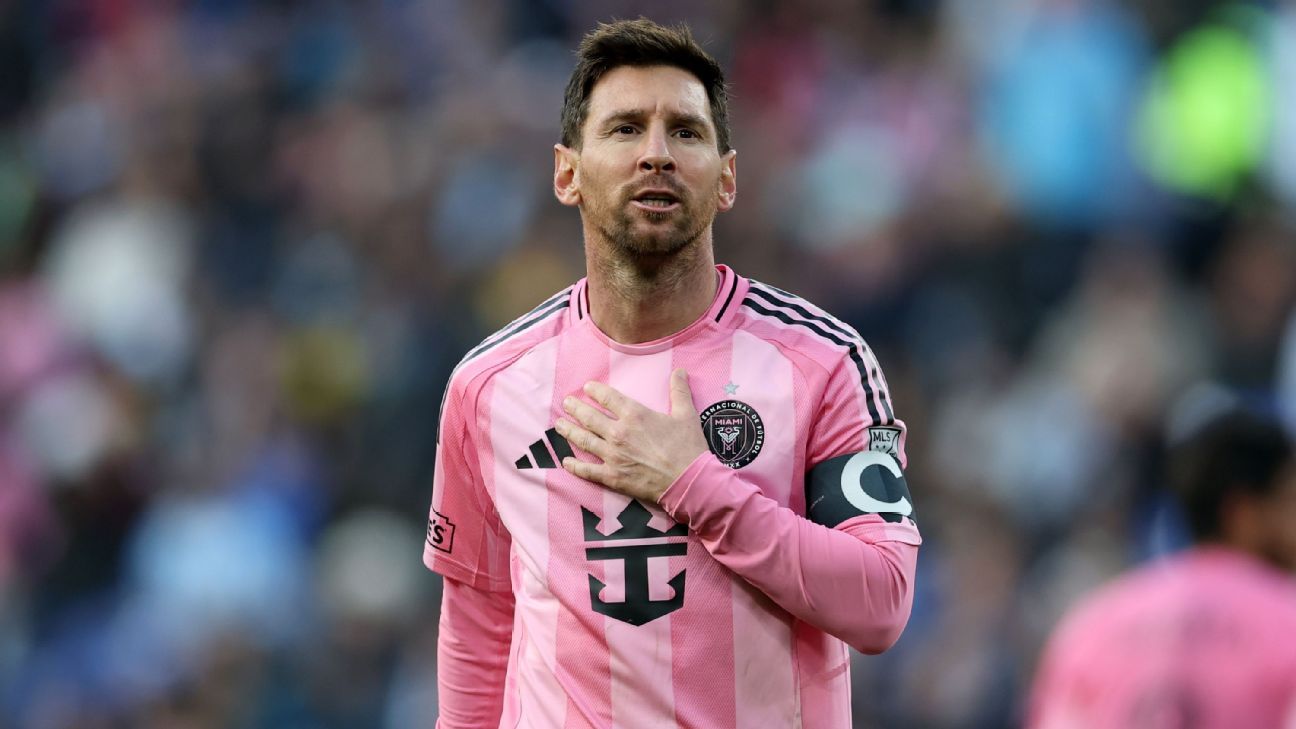
The tactical landscape of the Concacaf Champions Cup (CCC) enters a critical phase as Inter Miami prepares to host Nashville SC at Chase Stadium for the second leg of their Round of 16 tie. Following a high-intensity 2-2 draw in the opening leg, the return of Lionel Messi and Luis Suárez represents a significant shift in the club’s competitive posture. Head coach Gerardo ‘Tata’ Martino has confirmed that both players are physically prepared for the encounter after a calculated omission from domestic league play—a move designed to prioritize continental advancement over early-season MLS points.
Strategic Load Management and Asset Preservation
The decision to rest the veteran duo during the recent league fixture reflects a sophisticated approach to periodization within a congested competitive window. By acknowledging the physiological toll of a schedule featuring multiple matches in rapid succession, the Inter Miami technical staff has opted for a ‘peak performance’ model. This prioritization is a pragmatic response to the higher immediate stakes of knockout competition, where the margin for error is significantly narrower than in the domestic regular season.
Modern player management now functions as a complex calculation of risk mitigation. Martino’s collaborative approach with his veteran stars ensures that recovery protocols are tailored to individual biomechanical needs. This strategy was particularly evident in the choice to avoid artificial turf in recent away trips, thereby reducing joint stress and the cumulative fatigue associated with cross-country travel. Consequently, Miami’s primary transitional and offensive engines enter the Nashville decider with optimized energy reserves.
Operational Strain and Roster Depth
The operational reality of North American soccer necessitates a rotation policy that often challenges squad depth. The ‘nine matches in six weeks’ cycle described by the coaching staff underscores the systemic pressure placed on rosters when regional and domestic tournaments overlap. For Inter Miami, the Concacaf Champions Cup is not merely another competition; it is the primary pathway to global visibility and the FIFA Club World Cup, making advancement a non-negotiable institutional objective.
While the return of Messi and Suárez provides a massive boost to the club’s creative output, defensive vulnerabilities remain a concern. Recent absences in the backline due to injury have created structural gaps that Nashville’s counter-attacking setup will likely look to exploit. The tactical challenge for Martino lies in maintaining a balanced defensive shape while allowing his elite creative assets the freedom to break down Nashville’s disciplined low block.
Competitive Implications of the Aggregate Score
The 2-2 aggregate score from the first leg in Tennessee creates a high-leverage environment for the return match. Due to the away goals rule, Inter Miami holds a slight tie-breaking advantage, yet the threat of a high-scoring draw remains a mathematical risk. This reality places a premium on midfield control and the ability of Messi to dictate the tempo of play from a central or false-nine position.
Nashville SC demonstrated significant defensive resilience in the first leg, but neutralizing a fully rested Miami frontline presents a vastly different challenge. The psychological impact of Messi’s presence typically forces opponents into deeper defensive postures, inadvertently creating pockets of space for secondary runners. For Inter Miami, success depends on converting this territorial dominance into clinical execution, ensuring the investment in veteran talent translates into a quarterfinal berth and continued continental relevance.

Photo by pixexid on Pixabay.