Marvel Rivals Season 7 Update: Character Localization and Strategic IP Diversification
The upcoming Season 7 update for NetEase Games’ team-based shooter, Marvel Rivals, marks a significant operational milestone and strategic shift in intellectual property (IP) management. The update, scheduled for March 20, 2026, introduces new content and features, headlined by the addition of the character White Fox, also known as Ami Han. This release cycle, characterized by a new character, Battle Pass, and engagement features, reinforces the live service model’s critical role in sustaining long-term revenue and player retention for high-investment titles.
Strategic Character Localization for Market Segmentation
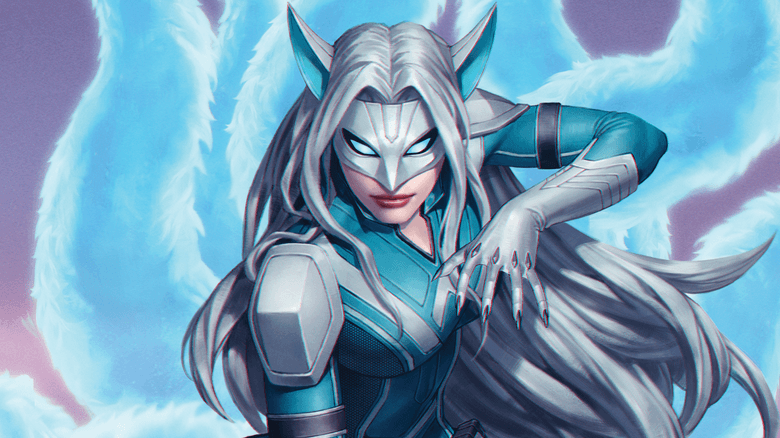
The selection of White Fox as the centerpiece for Season 7 is a deliberate strategic move that extends beyond simple roster expansion. White Fox, originating from Korean folklore as a Kumiho super-spy and a member of the Tiger Division team, represents a calculated effort to leverage specific regional cultural touchstones. This choice deviates from prioritizing globally established Marvel characters, instead focusing on characters with deep cultural resonance in high-growth markets, particularly East Asia. This strategy aims to reduce cultural friction and increase relevance for players in target regions, potentially capturing market share by offering content that resonates more deeply with regional audiences than generic global offerings.
For NetEase Games, a major Chinese developer, this character choice aligns with a broader strategy of international expansion and localization. By prioritizing a character with strong East Asian roots, the game positions itself to better penetrate markets where cultural relevance often dictates success in live service games. This move suggests a strategic partnership where Marvel provides the IP, and NetEase provides the operational expertise and market insight to tailor content for specific regional demographics, maximizing the return on investment for both parties.
The Live Service Model and Monetization Dynamics
The Season 7 update serves as a critical operational cycle within the live service framework. The core components of the update—a new character, a Battle Pass, and new game modes—are designed to drive player engagement and monetization. The Battle Pass acts as the primary financial engine for the game, offering 10 new costumes and exclusive cosmetics. This model provides a predictable recurring revenue stream, essential for offsetting the high development and maintenance costs associated with a multi-platform title.
The inclusion of exclusive cosmetics within the Battle Pass leverages consumer psychology around scarcity and status. By offering time-limited content, the model incentivizes immediate purchase and continuous play throughout the season. This approach ensures player retention by providing a structured progression path and a clear value proposition for continued investment in the game’s ecosystem. The operational efficiency of this cycle is demonstrated by the planned two-hour maintenance window for deployment across multiple platforms, indicating a streamlined process for delivering content updates.
Further enhancing player retention are new gameplay features like the “Album System” and “Shot Challenge.” The Album System facilitates social sharing of “epic moments” and “heroic gatherings.” This feature transforms in-game experiences into shareable social currency, acting as free marketing for the game and strengthening community bonds. The Shot Challenge, with its leaderboards, provides a competitive, short-term goal structure that encourages daily active users and engagement in non-core game modes, combating content fatigue and increasing overall play time.
IP Diversification and Multi-Platform Reach
Marvel’s strategy of introducing lesser-known characters like White Fox through gaming platforms serves a dual purpose. First, it diversifies the IP portfolio and tests audience reception for new characters in a lower-risk environment compared to major film or television productions. Second, it builds brand equity for these characters, potentially paving the way for future integration into other media. White Fox’s comic book history since 2014 provides a foundation for this expansion. The game acts as a proving ground, allowing Marvel to gauge consumer interest and build a fanbase for characters that may not yet have mainstream recognition.
The multi-platform launch across PlayStation 4 (PS4), PlayStation 5 (PS5), Xbox Series X|S, and PC (Steam) highlights a strategic commitment to maximizing market reach. By supporting both current-generation consoles (PS5, Xbox Series X|S) and legacy hardware (PS4), NetEase aims to capture the largest possible install base. This decision is particularly relevant in markets where current-generation console adoption rates may vary, ensuring accessibility for a broader audience. The trade-off for this extensive platform support is increased development complexity and maintenance costs, requiring robust operational infrastructure to ensure consistent performance across diverse hardware specifications.
For a competitive shooter where performance and latency are critical, maintaining parity across different ecosystems is a complex operational challenge. The successful execution of a multi-platform live service update requires meticulous planning and resource allocation to ensure a smooth transition for all players, minimizing disruption and maintaining player trust in the service’s reliability.
Conclusion: Future Implications for Strategic Market Penetration
The Season 7 update for Marvel Rivals demonstrates a sophisticated alignment between NetEase’s operational expertise and Marvel’s IP expansion goals. The character choice of White Fox signals a deliberate shift towards targeted market localization, leveraging specific cultural touchstones to gain a competitive edge in saturated markets. The robust live service model, supported by the Battle Pass and new engagement features, ensures financial stability and long-term player retention. The multi-platform deployment maximizes market reach, positioning the game as a significant player in the hero shooter genre. This update demonstrates a sophisticated approach to IP management and live service operations, prioritizing strategic market penetration over generic global appeal.