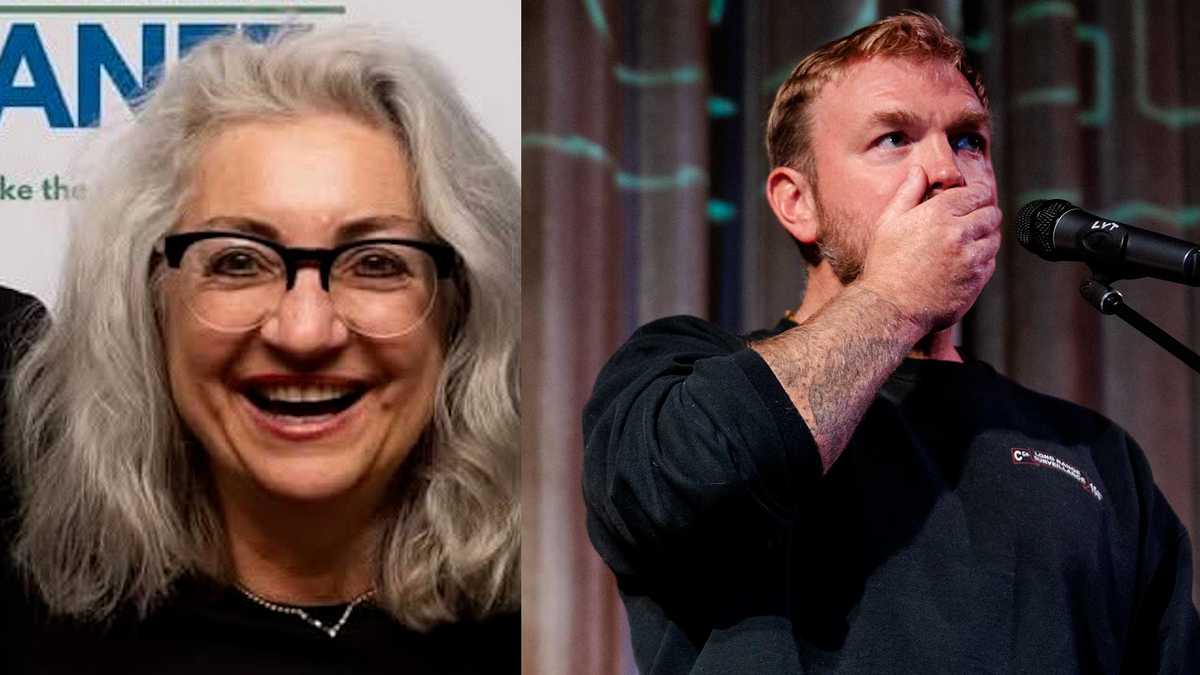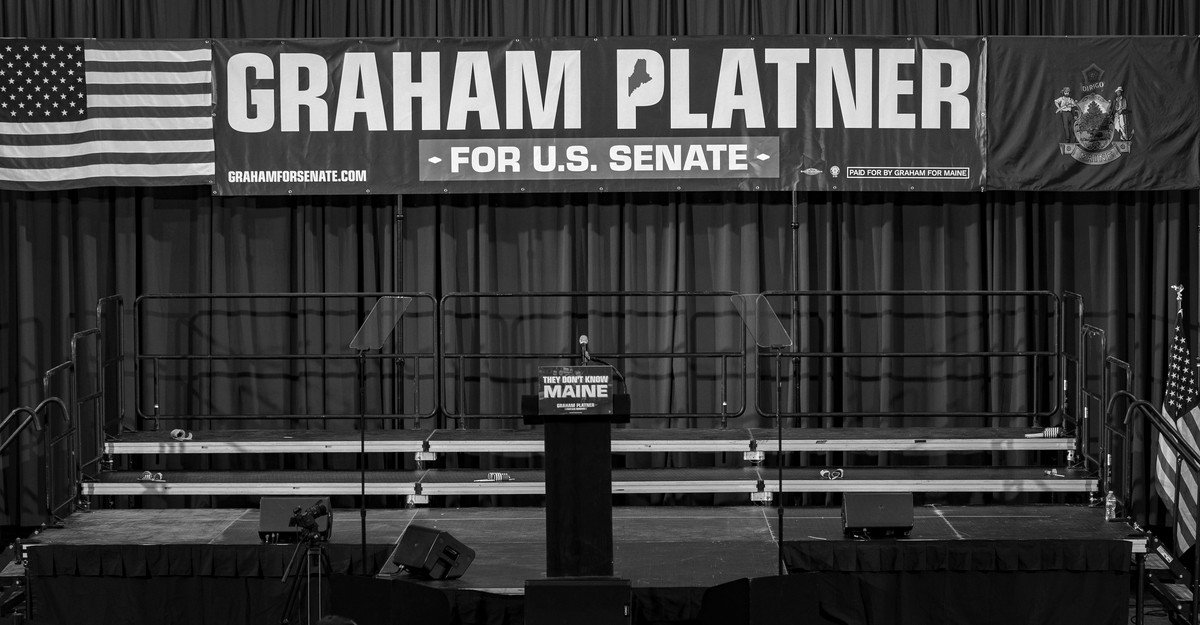
Maine State Representative Valli Geiger confirmed that Graham Platner, the Democratic nominee for the U.S. Senate race against incumbent Republican Susan Collins, has indicated his support for her to replace him on the ballot. This development follows Politico’s report detailing credible sexual assault allegations against Platner, which have precipitated a swift and significant realignment within the state’s Democratic Party apparatus.
Democratic Party Faces Urgent Strategic Reassessment Amidst Allegations
The emergence of credible sexual assault allegations against Graham Platner has necessitated an immediate strategic reassessment for the Maine Democratic Party. The party faces an urgent need to identify and secure a viable alternative candidate to challenge Senator Susan Collins in November. The party’s decision to schedule an emergency meeting underscores the critical pressure to navigate this crisis effectively and mitigate potential electoral repercussions.
Rep. Valli Geiger, a Democrat representing House District 42 and currently serving her third term, stated that Platner personally contacted her, expressing his endorsement and inquiring about her willingness to be considered for the Senate candidacy. Geiger’s positive response positions her as a prominent potential successor, aiming to maintain a Democratic presence in a race significantly altered by the recent allegations.
Initial communications from Platner’s campaign staff suggested no definitive decision on endorsement had been finalized. However, they acknowledged Platner’s direct conversations with Geiger and his encouragement for her to consider the race should he withdraw. This exchange indicates Platner’s proactive approach to facilitating a transition plan, even as formal announcements remained pending.
National Figures Withdraw Support, Highlighting Evolving Thresholds for Scrutiny
The fallout from the allegations has been rapid and far-reaching. Prominent national Democratic figures and organizations, including Senators Bernie Sanders and Elizabeth Warren, Representative Ro Khanna, and podcast hosts from Pod Save America, have rescinded their endorsements of Platner. This collective withdrawal signals a clear stance from influential party voices and leadership regarding the severity of the accusations.
This widespread retraction of support highlights a critical juncture in political candidate vetting. Allegations of sexual assault have become a decisive threshold for disqualification, even for candidates who may have previously weathered other controversies. The united reversal of endorsements from individuals and groups previously advocating for Platner underscores the gravity of the current accusations.
The situation prompts scrutiny of prior vetting procedures within political campaigns and the specific criteria that trigger decisive action. While Platner had faced prior scrutiny for other issues, the current allegations appear to have crossed a line, compelling previously supportive networks to withdraw their backing and re-evaluate unacceptable transgressions in the contemporary political climate.
Geiger’s Candidacy Represents a Strategic Pivot
Rep. Valli Geiger’s potential candidacy signifies a strategic pivot for the Maine Democratic Party, aiming to consolidate party support and present a unified front against Senator Collins. Her expressed commitment to the party’s objectives and her readiness to enter a challenging race under duress suggest strong alignment with core Democratic goals.
As a sitting State Representative with three terms of legislative experience, Geiger possesses established political credentials and a foundational base of support within Maine. Her capacity to mobilize this existing network will be critical, particularly given the compressed timeline as the general election campaign is already underway.
A primary challenge for Geiger, should she formally enter the race, will be bridging any gap in name recognition and fundraising capacity compared to an incumbent like Senator Collins. The national Democratic Party’s infrastructure and donor network are expected to mobilize in support, but the speed at which this support can be marshaled will be a decisive factor.
Implications for the Maine Senate Race and Party Dynamics
The disruption to the Democratic nomination process carries significant implications for the broader U.S. Senate race in Maine. This state, which has trended Democratic in recent presidential elections but consistently re-elected Senator Collins, now faces a dramatically altered electoral landscape. The upheaval within the Democratic ticket could provide Senator Collins an opportunity to consolidate her support and potentially benefit from the internal turmoil of the opposing party.
For the Maine Democratic Party, this situation presents a test of its organizational resilience and its ability to quickly coalesce around a new candidate. The swiftness of Geiger’s potential ascension and the unity among the party’s various factions will be key indicators of its capacity to mount a competitive challenge.
The allegations against Platner and the subsequent realignment reflect a broader national trend where personal conduct and allegations of misconduct are subjected to intense public and media scrutiny. This heightened awareness can significantly influence voter perceptions and campaign strategies, compelling parties to adopt more rigorous candidate selection and crisis management protocols.
The Role of Media Scrutiny and Public Perception
Politico’s reporting on the credible sexual assault allegations against Graham Platner served as the immediate catalyst for the current crisis, underscoring the critical role of investigative journalism in shaping political narratives and electoral outcomes. The dissemination of these allegations through established media channels amplified their impact, compelling political actors to respond.
Platner’s subsequent video statement, in which he denied the accusation but indicated his campaign would explore its path forward, further fueled public discourse and intensified media attention. This public acknowledgment of the allegations, even with a denial, has irrevocably altered the campaign’s trajectory.
Public perception of these allegations, and the political parties’ responses to them, will undoubtedly shape voter sentiment. The Democratic Party’s handling of this situation, from initial endorsements to the current efforts to select a replacement candidate, will be closely monitored and could impact its credibility and electoral prospects.
Historical Context and Precedent in Political Scandals
The current situation in Maine is reminiscent of historical patterns where political campaigns have been derailed by allegations of misconduct, particularly those involving sexual assault or harassment. Such scandals frequently force parties to make difficult decisions regarding candidate viability and potential electoral damage.
Historically, political figures facing credible allegations have encountered significant backlash and career repercussions, leading to withdrawals from races or diminished electoral success. The intensity of public and media reactions to such claims has evolved, reflecting increased societal awareness and sensitivity to issues of sexual misconduct.
Party decision-making processes in these scenarios typically involve a complex interplay of electoral strategy, ethical principles, and public opinion. The pressure to uphold ethical standards while simultaneously pursuing electoral victory creates a delicate balancing act for party leadership and campaign strategists.
Strategic Considerations for Senator Collins
For incumbent Senator Susan Collins, the Democratic Party’s internal turmoil presents a strategic opportunity to consolidate her position and emphasize her campaign’s stability. The opposing party’s disarray may allow her to focus on her policy platform and legislative record, potentially without the immediate pressure of a unified and well-resourced challenger.
Senator Collins and her campaign team are expected to closely monitor the Maine Democratic Party’s efforts to field a new nominee. The identity of the replacement candidate, their fundraising capabilities, and their speed in gaining electoral traction will all be critical factors influencing the Collins campaign’s strategic approach.
The race dynamics could shift substantially depending on the Maine Democratic Party’s success in rallying behind a new candidate and that candidate’s ability to quickly establish a competitive presence. Senator Collins’s campaign will need to be agile, adapting its messaging and strategy to effectively counter any new challenger.
The Influence of Endorsements and Party Infrastructure
The rapid withdrawal of endorsements from national Democratic figures highlights the power of collective action and the influence of party infrastructure in determining candidate viability. While often symbolic, these endorsements carry significant weight in signaling party alignment and mobilizing support.
The loss of backing from prominent figures like Senators Sanders and Warren, and Representative Khanna, not only signifies disapproval of Platner but could also impede his ability to garner broader Democratic support. Their public statements play a role in framing the narrative surrounding the allegations and influencing the decisions of other party stakeholders.
As the Maine Democratic Party seeks a new nominee, the capacity of potential candidates, such as Rep. Geiger, to secure endorsements and leverage party infrastructure will be paramount. The speed and effectiveness of this process will be a key determinant of the strength of the Democratic challenge in the upcoming election.
Future Implications for Candidate Vetting and Party Accountability
The events in Maine are likely to prompt a renewed focus on candidate vetting processes within political parties nationwide. This incident may lead to more stringent background checks and an increased emphasis on addressing allegations of misconduct early in the nomination cycle.
Political parties may also face greater pressure to establish clearer protocols for handling allegations of sexual assault and harassment, ensuring timely and decisive action. Evolving public expectations for accountability from political figures and institutions necessitate that parties adapt their procedures.
The long-term impact could include a shift in candidate evaluation criteria, with a greater emphasis placed on personal conduct and ethical standards, in addition to policy positions and political experience. This could foster a more robust and responsible approach to candidate selection across the political spectrum.