The 2026 NCAA Men’s Basketball Tournament represents a pivotal shift in collegiate athletics, defined by the convergence of extreme competitive parity and a highly rigid broadcast framework. Following the 2025 cycle—a season characterized by the dominance of top-tier seeds—the 2026 landscape indicates a significant contraction in the performance delta between elite programs and the broader field. This structural evolution necessitates a recalibration of risk assessment for institutional stakeholders and media analysts alike.
Media Compression and Information Arbitrage
The operational cadence for primary broadcasters, specifically the ESPN/Turner ecosystem, dictates a high-pressure transition from conference tournament finales to national bracketology. This compressed window prioritizes instinctual heuristics over longitudinal data, creating a volatile market where early expert sentiment immediately influences millions of digital bracket participants. For the 2026 cycle, this pressure is intensified by the SEC Championship in Nashville, which serves as the final high-leverage data point capable of disrupting seed expectations in real-time.
This reliance on rapid-fire delivery exposes the analytical framework to significant recency bias. While speed serves as a key performance indicator for digital platforms, it often obscures the statistical realities of the 68-team field. Stakeholders must navigate this environment by distinguishing between transient media narratives and the underlying metrics of efficiency and strength of schedule.
The 2025 Chalk Precedent and Volatility Theory
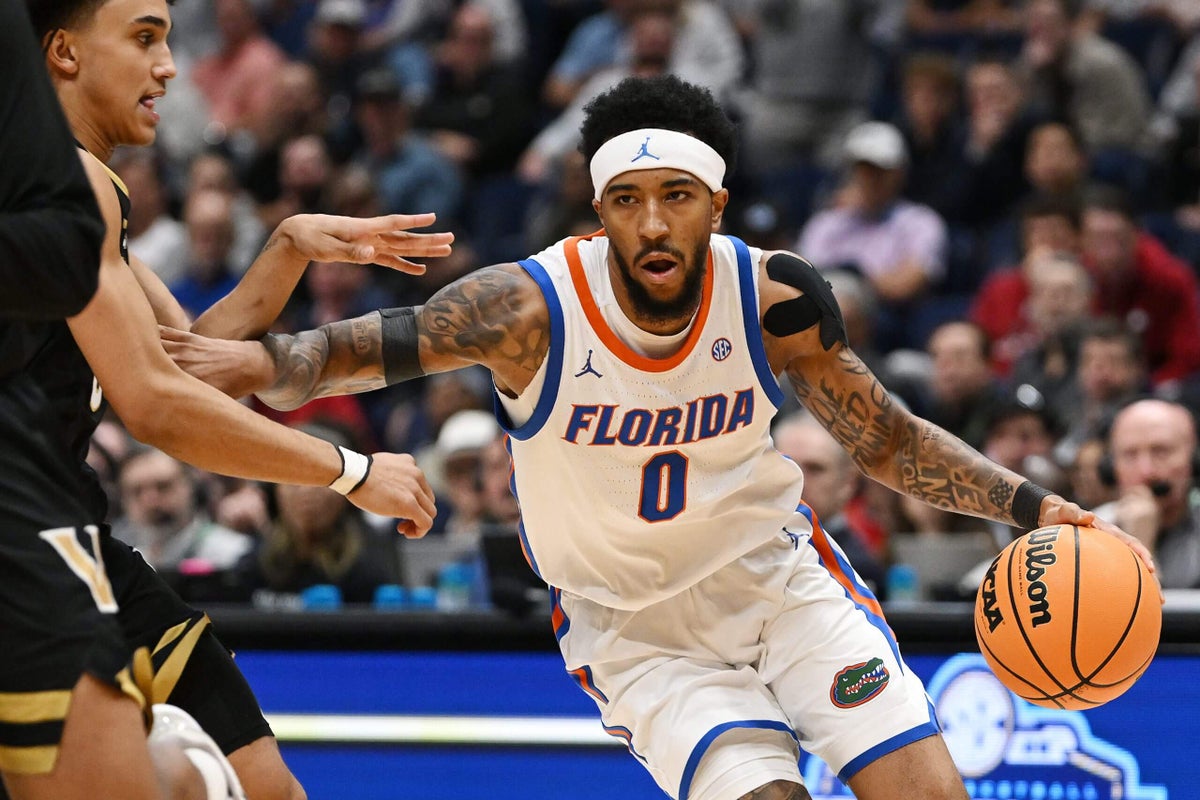
Strategic planning for 2026 is heavily informed by the 2025 ‘chalk’ outcome, where all four No. 1 seeds reached the Final Four, culminating in a Florida-Houston title match. While this validated conservative bracket strategies, historical precedents suggest that periods of extreme predictability are frequently followed by high-volatility cycles. The Gators’ 2025 victory established a benchmark for consistency that has driven aggressive roster management across high-major programs, paradoxically leading to the current homogenization of talent.
Expert analysis, notably from Jay Bilas, suggests that the traditional ‘Cinderella’ narrative may be evolving into a more sustained mid-major competitiveness. The 2026 season tests whether the consolidation of talent at the top is a permanent shift or a statistical anomaly. The financial incentives for maintaining status quo dominance remain high, yet the margin for error in the early rounds has effectively vanished due to tactical adjustments across the division.
Infrastructure and Logistical Centralization
The 2026 tournament concludes at Lucas Oil Stadium in Indianapolis, a selection that reinforces the NCAA’s preference for centralized logistics and proven municipal infrastructure. This ‘hub’ strategy minimizes administrative friction while maximizing the commercial monetization of the Final Four weekend. The choreographed timeline from Selection Sunday on March 15 to the April 6 Championship is designed to optimize television viewership and capture premium advertising revenue.
The bifurcation of media rights—transitioning from CBS for early rounds to TBS for the peak inventory of the Final Four—reflects a strategic pivot toward cable-driven revenue streams. Logistically, the First Four (March 17-18) serves as a critical operational buffer, allowing the tournament to scale from a play-in format to a full national bracket. Each regional site functions as a high-stakes node in a complex supply chain of security, personnel, and broadcast equipment.
Behavioral Economics of Bracket Strategy
Success in 2026 bracket pools is increasingly a function of game theory rather than pure basketball scouting. In large-scale national challenges, the strategic imperative is to identify undervalued assets and avoid ‘public’ picks that offer zero leverage. Conversely, localized pools often reward conservative strategies that mirror seed expectations. The influence of regional bias, particularly within the SEC and Big Ten footprints, creates market inefficiencies that savvy participants can exploit by selecting high-performing programs from the Pac-12 or ACC, such as Arizona, to differentiate their risk profile.