Strategic Asymmetry and Competitive Incentives
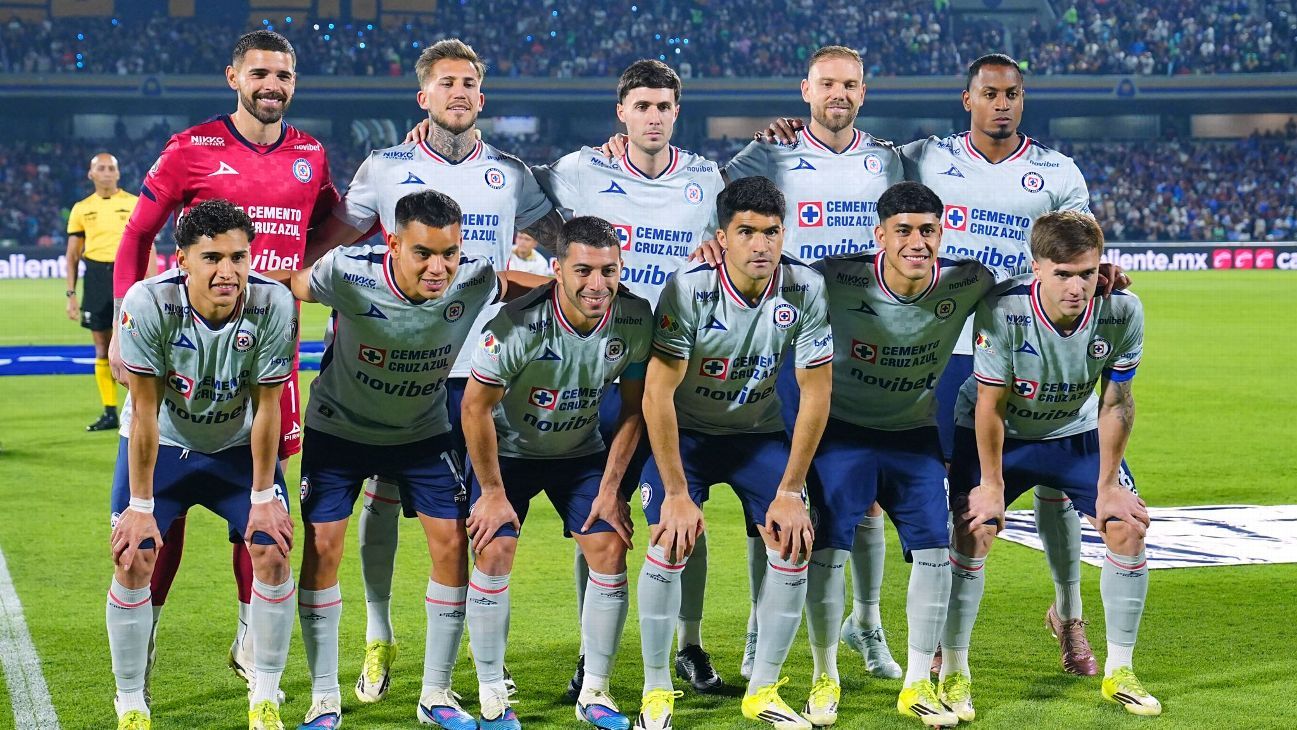
The Jornada 12 fixture between Mazatlán FC and Cruz Azul serves as a primary case study in the operational disparities of Liga MX. Cruz Azul, managed by Nicolás Larcamón, represents the league’s upper-tier efficiency, currently contending for the leadership with 26 points. Conversely, Mazatlán occupies the lower decile of the table, highlighting a significant divergence in competitive objectives. While the former seeks to mitigate the volatility of the play-in tournament by securing a direct Liguilla berth, the latter operates under the pressure of maintaining basic relevance within the repechaje threshold.
Operational Performance and Resource Management
Cruz Azul’s current 10-match unbeaten streak underscores a high level of tactical consistency and squad depth. However, their recent advancement in the Concacaf Champions Cup introduces a logistical variable: workload management. Recent draws against Pumas and Rayados suggest a potential performance plateau or strategic resource diversion. The primary risk for the Cementeros is the compression of the schedule, which necessitates a balance between domestic league dominance and international progression.
Mazatlán’s challenges are fundamentally structural. Despite the inherent advantage of ‘El Encanto,’ the club has secured only six points at home, indicating a failure to capitalize on localized environmental factors. This defensive and offensive instability limits their ability to leverage the Liga MX incentive structure, which traditionally rewards home-field consistency as a path to the postseason.
Structural Economics of the Repechaje System
The Liga MX framework—specifically the play-in (repechaje) system—creates distinct financial and sporting risk profiles. For elite clubs like Cruz Azul, the system represents a ‘hazard’ to be avoided; the variance of a single-elimination match against a lower-seeded opponent incentivizes finishing in the top four. For Mazatlán, the system acts as a financial safety net, allowing clubs with sub-optimal regular seasons to remain commercially viable through potential playoff revenue. This disparity shapes the ‘media pressure’ (presión mediática) and brand equity expectations that define each club’s market position.
Stakeholder Exposure and Outcome Assessment
For Mazatlán’s ownership, this fixture is a high-exposure opportunity to arrest a narrative of decline. A positive result provides temporary brand stabilization. For Cruz Azul, the stakes involve maintaining performance leverage; any further point attrition could result in losing their top-four status to Chivas or other surging contenders. The match outcome will likely dictate the technical staff’s approach to squad rotation in the final phase of the Clausura 2026, directly impacting long-term stakeholder value and postseason seeding.