
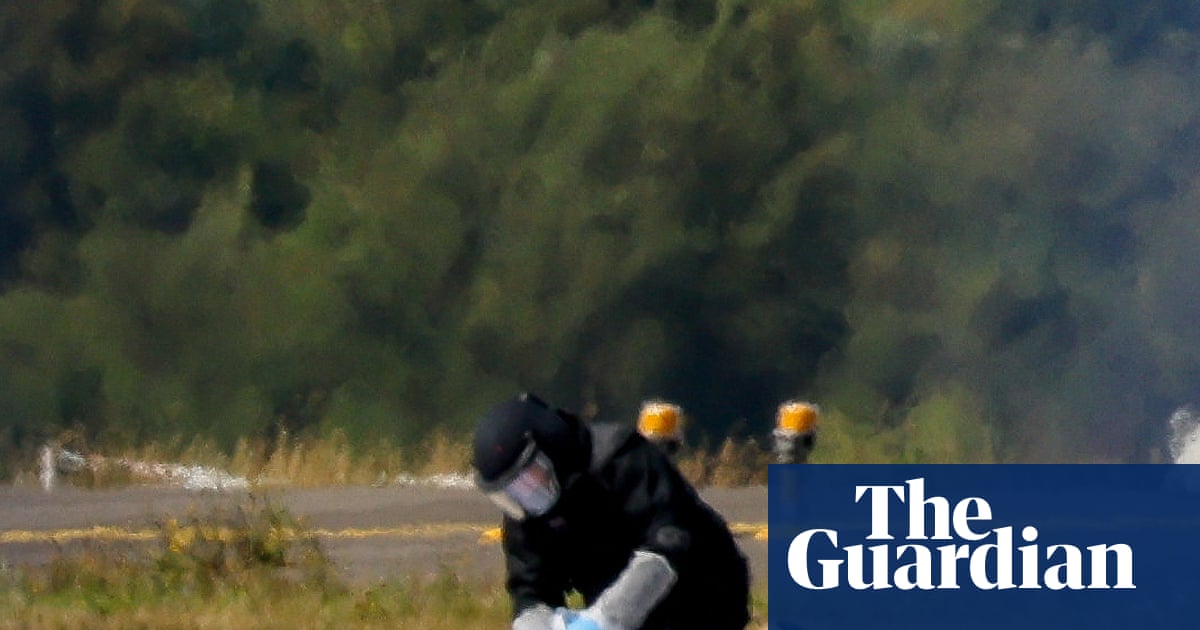
Leipzig Drone Incident Exposes Critical Aviation Security Vulnerabilities
The discovery of an armed drone carrying an explosive device within the secure cargo flight operations area at Leipzig airport has exposed significant vulnerabilities in international aviation security. Found in close proximity to Ukrainian cargo planes, the drone’s presence underscores the potential for sophisticated threats to bypass established security protocols.
The drone, reportedly equipped with a faulty detonator, did not detonate. However, its placement within the airport perimeter is a stark indicator of the evolving threat landscape and raises immediate concerns about the integrity of airport security measures designed to prevent unauthorized access to critical zones.
Photographs depict a quadcopter design, common in the Ukraine conflict, fitted with an attached package. Its discovery mere meters from a Ukrainian Antonov cargo plane suggests a targeted approach rather than a random act, amplifying concerns about intentional disruption.
The identified explosive material, PETN and semtex, are potent plastic explosives, with semtex notably used in the 1988 Pan Am Flight 103 bombing. This detail highlights the sophistication and intent behind the Leipzig incident, suggesting a deliberate attempt to inflict significant damage and disruption.
Initial evidence strongly implicates a Russian-orchestrated plot, though official attribution remains pending. This incident marks the first documented instance of an armed drone carrying explosives found in Europe significantly distant from the Ukrainian border, signaling a potential expansion of asymmetric warfare tactics into new geographical theaters.
The operational implications for air cargo carriers are profound. Airports like Leipzig, vital hubs for international freight, now face increased scrutiny and potentially more stringent security measures. This could translate to higher operational costs, longer transit times, and a reassessment of risk management strategies for cargo handling and airport access.
From a capital perspective, the incident may trigger increased investment in advanced threat detection technologies and enhanced physical security infrastructure at airports globally. This surge in demand could reshape market dynamics within the aerospace and defense sectors, particularly for counter-drone solutions.
The strategic decision-making for European nations is now heavily influenced by this event. Governments will be pressured to review and potentially overhaul existing aviation security frameworks, balancing robust protection against the economic imperative of efficient air traffic flow.
The performance leverage for intelligence agencies and law enforcement is under scrutiny. The ability to detect, track, and attribute such sophisticated threats in a timely manner is paramount, necessitating enhanced intelligence sharing and coordinated counter-drone capabilities across European Union member states.
Airlines operating routes to and from conflict zones, or those with logistical ties to affected regions, face significant exposure. Carriers like the Ukrainian airline whose plane was in proximity to the drone risk reputational damage and operational disruptions, requiring them to reassure clients and regulators about safety protocols.
Downstream effects on the broader aviation industry could include increased insurance premiums for cargo operations and a more cautious approach from investors regarding aviation-related infrastructure projects, potentially impacting consumer and business confidence.
The geopolitical ramifications are substantial, potentially escalating tensions between Russia and European nations. Confirmed attribution to a Russian-orchestrated plot would necessitate a firm diplomatic and security response, further complicating international relations.
The incident also raises questions about the regulatory environment surrounding drone technology and its potential weaponization. European policymakers may accelerate efforts to implement stricter regulations on drone manufacturing, sales, and operation, particularly concerning advanced capabilities exploitable for malicious purposes.
The competitive landscape among airport security providers will likely intensify, with companies offering advanced drone detection and mitigation systems poised to gain market share. This could spur innovation but also lead to market fragmentation where interoperability and standardization become critical challenges.
Furthermore, the incident underscores the challenge of distinguishing between state-sponsored aggression and non-state actor terrorism when employing advanced technologies like drones. The ambiguity allows for plausible deniability while maximizing psychological and operational impact.
The long-term impact on public perception of aviation security could be significant. Incidents like this erode confidence and may lead to increased public pressure for more visible and stringent security measures, potentially impacting the passenger and cargo experience at airports.
Airport operators will strategically invest in a multi-layered security approach, integrating human intelligence, advanced sensor technology, and robust physical barriers to create a comprehensive defense system.
National security budgets may see a shift, with increased funding directed towards counter-drone capabilities and intelligence gathering related to asymmetric warfare, reflecting a growing recognition of the threat posed by low-cost, high-impact technologies.
International cooperation on aviation security is now more critical than ever. Collaborative efforts in intelligence sharing, joint training exercises, and the development of common standards for drone detection and response are essential.
The exposure for the aviation industry extends beyond physical security to the integrity of supply chains. Any disruption or perceived threat to air cargo can have cascading effects on global commerce.
The strategic imperative for European aviation authorities is to demonstrate a swift and effective response, reassuring stakeholders and reinforcing air travel safety. Failure to do so could lead to a significant erosion of trust and impact the industry’s economic viability.
Airports that can demonstrably implement and maintain superior drone defense systems will gain a competitive advantage, potentially influencing future route planning and cargo hub selection.
Capital markets will closely monitor the response from regulatory bodies and industry players. A proactive approach could mitigate negative market reactions, while a perceived lack of action could lead to increased volatility.
Demand for sophisticated counter-drone solutions and more secure drone designs for legitimate commercial use is expected to rise, creating new market opportunities for drone manufacturers and technology developers.
The incident heightens international diplomatic exposure, as it can become a focal point for broader geopolitical disputes. Attribution and response will be closely watched for their impact on Russia’s relationship with the West.
Intelligence agencies must enhance capabilities in monitoring and disrupting the illicit procurement and deployment of drone technology by hostile actors, requiring a deep understanding of global supply chains and clandestine networks.
Significant capital will be required to upgrade airport infrastructure to meet new security standards, necessitating coordinated public-private efforts and partnerships to fund these enhancements.
Media coverage of evolving security measures and geopolitical implications will provide critical information to the public and industry stakeholders.
Regulatory bodies face exposure to prove their efficacy in adapting to new threats and ensuring the safety of the skies, with their ability to implement and enforce updated regulations being a key measure of success.
Cargo airlines may strategically diversify routes and operational bases to mitigate localized security threats, while also investing in internal security protocols.
Capital investment in research and development for next-generation aviation security technologies, including AI-driven threat detection and autonomous response systems, will be critical to staying ahead of evolving threats.
International organizations like ICAO and EASA have performance leverage in facilitating the sharing of best practices and developing harmonized international standards for drone security in aviation.
Governments face the exposure of balancing national security imperatives with the economic realities of international trade and travel. Overly restrictive measures could stifle economic activity, while insufficient security leaves critical infrastructure vulnerable.
Airport operators will strategically foster a culture of vigilance and continuous improvement in security protocols, ensuring all personnel are trained and equipped to identify and report potential threats.
Capital for ongoing training and professional development of security personnel will be significant as the threat landscape evolves and new technologies emerge.
Cybersecurity firms specializing in industrial control systems and IoT security will have performance leverage, as drones represent a connected threat exploitable through digital means.
The public faces exposure to understanding the changing nature of security threats and supporting necessary measures that may impact convenience or cost, recognizing the trade-offs involved in maintaining safety.
Defense contractors will strategically adapt product lines to meet growing demand for counter-drone systems, leveraging expertise in radar, electronic warfare, and unmanned systems.
Capital flow into the counter-drone market is expected to increase significantly, driven by government procurement and private sector investment in critical infrastructure protection.
International law enforcement agencies will leverage performance in collaborating on cross-border investigations and dismantling networks involved in the illicit use of drones for hostile purposes.
The aviation industry as a whole faces exposure in demonstrating resilience and adaptability to novel security challenges, ensuring the secure and uninterrupted flow of goods and people.
Policymakers face strategic decisions regarding the dual-use nature of drone technology, implementing regulations that balance fostering innovation with preventing misuse, a complex global challenge.
Substantial capital will be required for developing and deploying advanced AI-powered threat detection systems at airports, offering a significant return on investment in enhanced security and reduced risk.
Academic research institutions will have performance leverage in developing new theoretical frameworks and practical solutions for drone detection, identification, and mitigation, contributing to a more secure future for aviation.
The international community faces exposure in collectively addressing the proliferation of weaponized drone technology and establishing clear norms and deterrents against its use in a manner that threatens civilian safety and international stability.
National security apparatuses face strategic decisions to integrate drone threat assessment into all levels of strategic planning, recognizing it as a persistent and evolving challenge requiring continuous adaptation and investment.
Capital investment in human intelligence and advanced surveillance capabilities will be critical to complementing technological solutions in the fight against sophisticated drone-based threats.
Public-private partnerships will leverage performance in accelerating the deployment of innovative security solutions and sharing critical threat intelligence, creating a more robust defense ecosystem.
The aviation sector’s long-term growth prospects are directly tied to its ability to maintain and enhance security, ensuring it remains a trusted and reliable mode of transport and logistics.
Regulatory bodies face strategic decisions to remain agile, adapting regulations as technology evolves and new threats emerge, ensuring security measures remain effective and relevant.
Significant and continuous capital expenditure will be required for ongoing cybersecurity efforts to protect airport infrastructure and air traffic control systems from drone-related cyber-attacks.
International bodies will leverage performance in their capacity to convene stakeholders, foster dialogue, and drive consensus on global standards and cooperative security measures.
The global economy faces exposure to potential widespread disruption of trade and travel if aviation security is compromised on a larger scale, highlighting the interconnectedness of global systems.
All stakeholders in the aviation ecosystem face strategic decisions to prioritize proactive threat mitigation and continuous adaptation, recognizing that security is an ongoing process of evolution and vigilance.
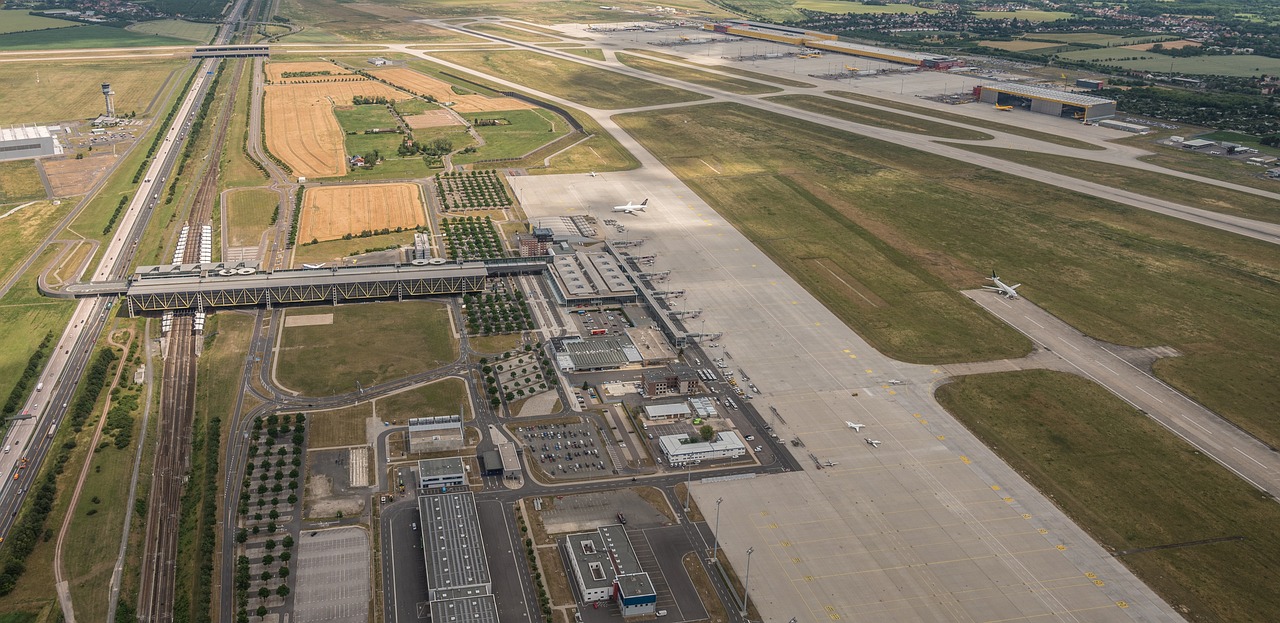
Photo by mariohagen on Pixabay.