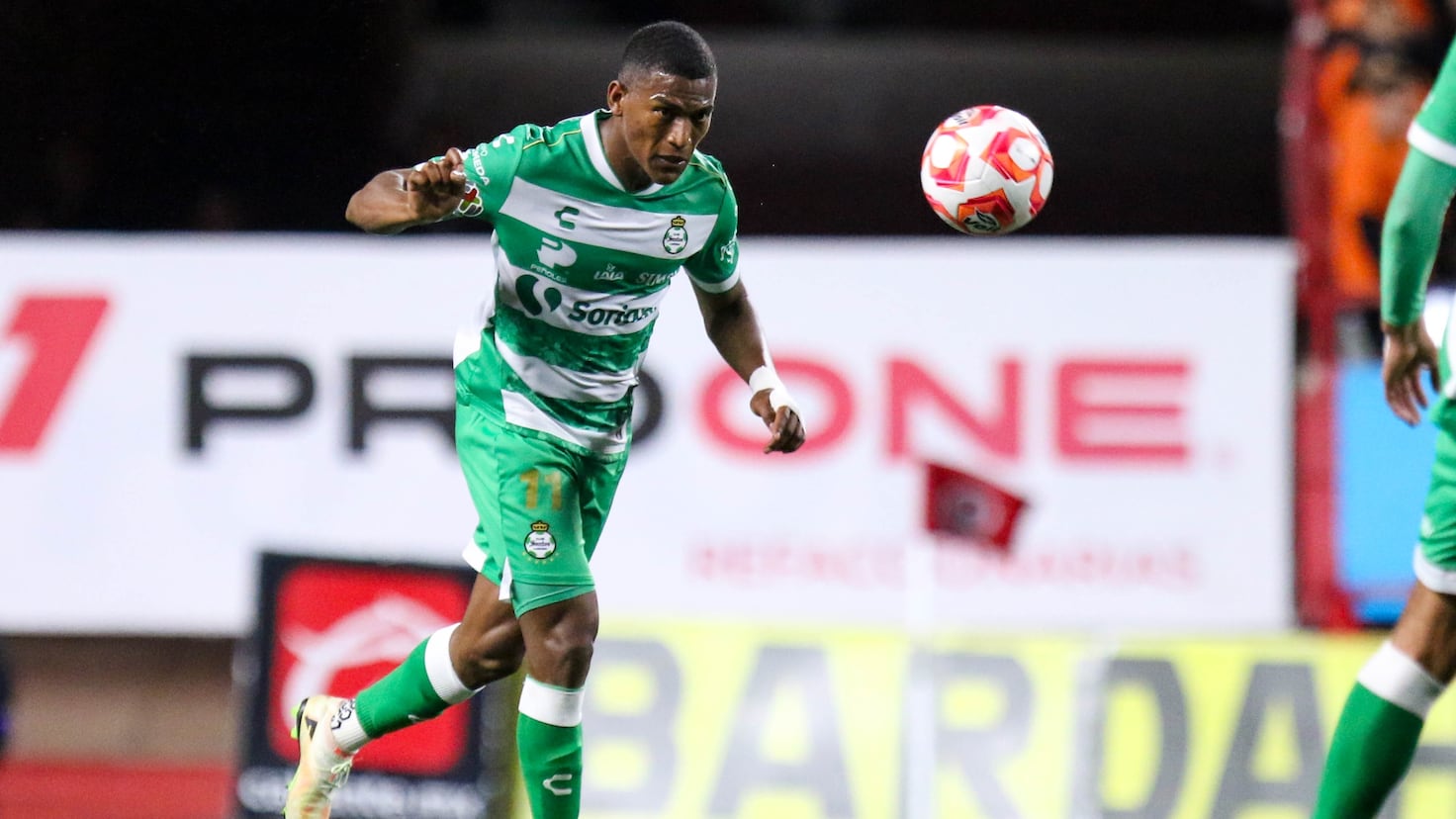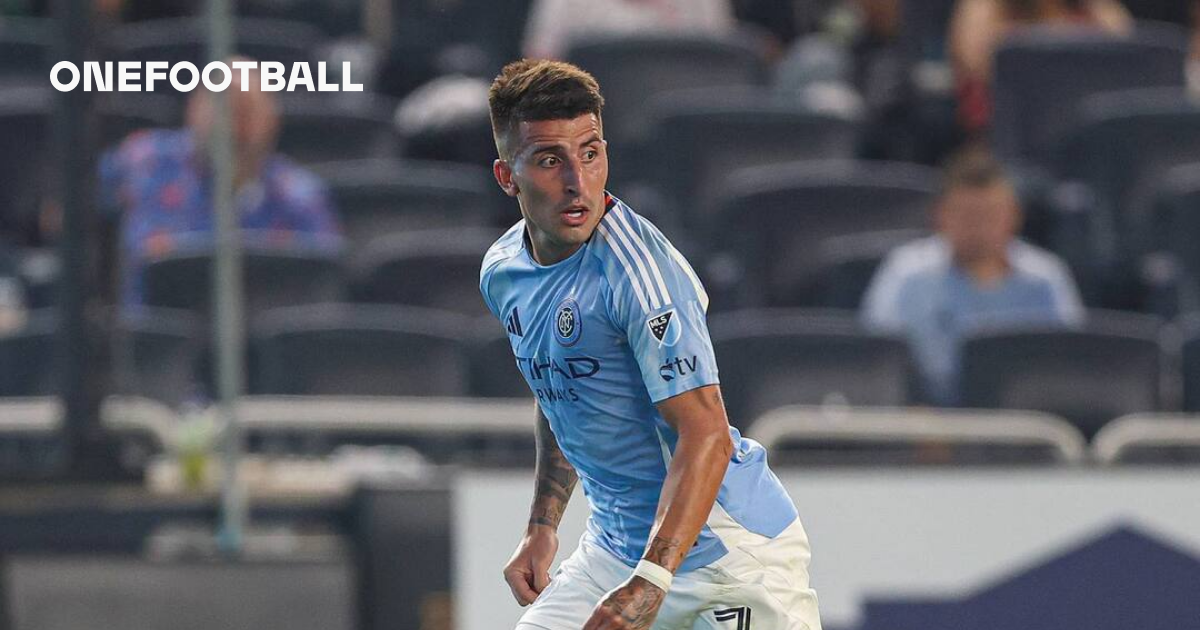
The resumption of major domestic schedules introduces immediate international fixture congestion, requiring clubs to navigate complex cross-border competition structures. Major League Soccer squads return to domestic campaigns with varying degrees of early momentum before shifting focus to the opening phase of the Leagues Cup. For New York City FC, a strong start to the season’s second half established a stable baseline, yet the transition to a tournament format introduces distinct operational and logistical variables.
Geographic scheduling arrangements heavily influence tournament dynamics. Documented fixture details confirm that New York City FC will play its opening-phase matches entirely within New Jersey at the Sports Illustrated Stadium. Designated as a home fixture, this geographic placement alters traditional home-field advantages by diluting local supporter density and enforcing neutral-site operational conditions.
Tactical Evolution and Institutional Objectives
Entering the international competition, managerial messaging emphasizes long-term structural progression over immediate fixture outcomes. Technical leadership for Santos Laguna notes that early domestic results must be contextualized within an ongoing process of tactical consolidation. Preseason preparation established foundational tactical patterns, which the coaching staff intends to refine through competitive international exposure.
For visiting Liga MX institutions, performance metrics in domestic play contrast sharply with international ambitions. Source documentation highlights that Santos Laguna has experienced domestic struggles in recent Apertura and Clausura tournaments, finishing at the lower end of the standings multiple times. Consequently, participation in the cross-border tournament offers an institutional mechanism to recalibrate team morale and establish alternative competitive metrics.
Competitive Leverage and Squad Psychology
Player commentary ahead of the opening fixture underscores the psychological utility of a multi-league tournament framework. Squad members view the international competition as an immediate corrective instrument to redirect momentum following difficult domestic stretches. Historical precedents in international football, such as tournament turnarounds observed in major global competitions, are frequently cited by players to illustrate how early adversity can precede successful campaigns.
The structural layout of the tournament places Santos Laguna in an opening group phase alongside Major League Soccer opponents including New York City FC, Chicago Fire, and Philadelphia. Navigating this group requires managing travel fatigue, roster depth, and differing stylistic approaches between domestic leagues. Securing an early result serves not only tournament advancement objectives but also institutional confidence across the organization.
Ecosystem Impact and Strategic Positioning
The convergence of Liga MX and Major League Soccer entities in a compressed international calendar highlights broader commercial and competitive integration strategies. Tournaments of this scale test the operational capacity of participating organizations, demanding robust squad rotation and tactical flexibility. Stakeholders across both leagues evaluate these fixtures as indicators of relative league strength and organizational maturity.
Financial and reputational capital remains tied to performance in high-profile cross-border competitions. Clubs utilize these international platforms to showcase player development, validate tactical frameworks, and engage diverse fanbases across North America. As the opening phase gets underway, administrative and athletic focus shifts entirely to execution under compressed preparation timelines.