The Structural Imperative of Performance in Professional Motorsports
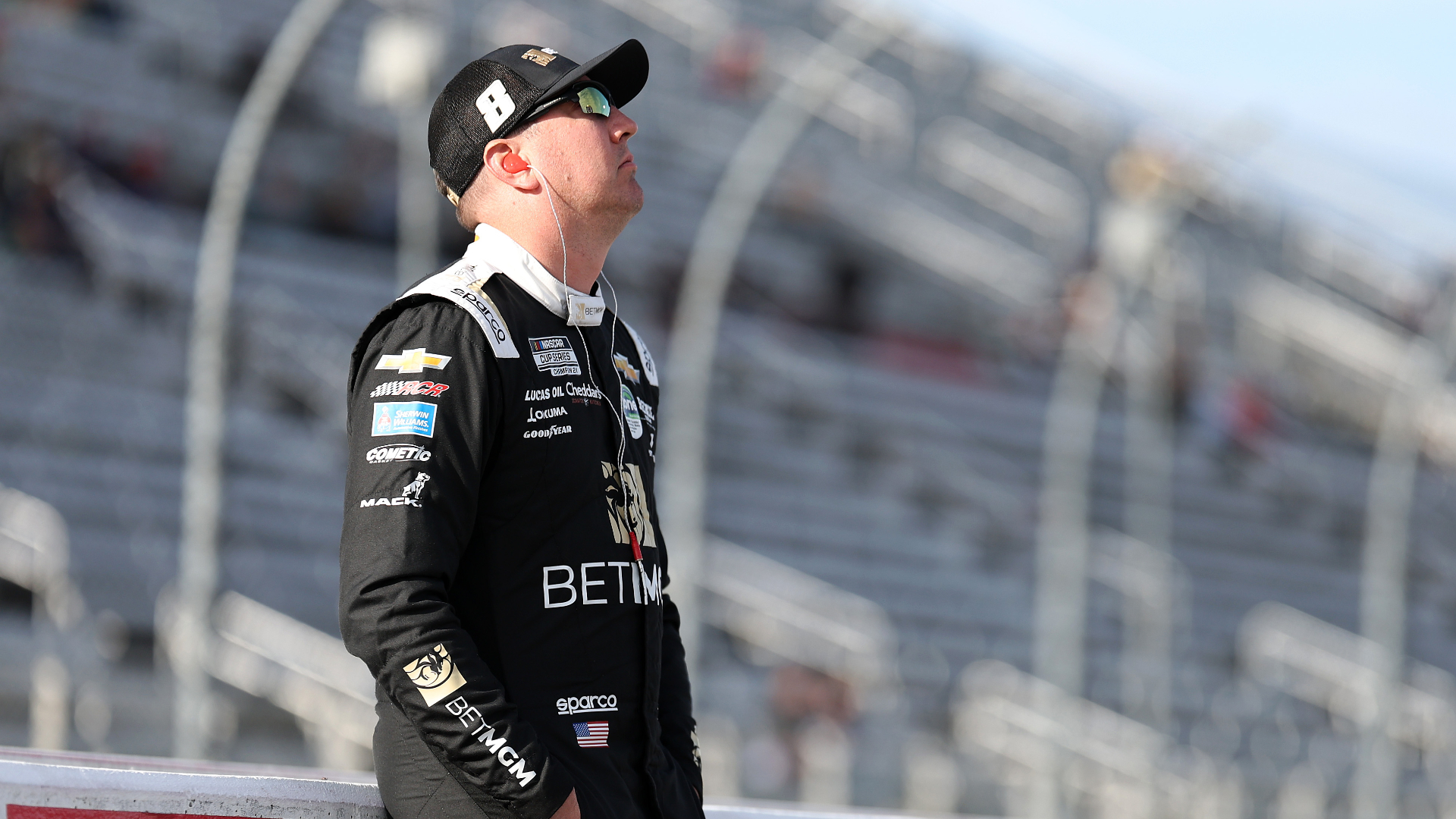
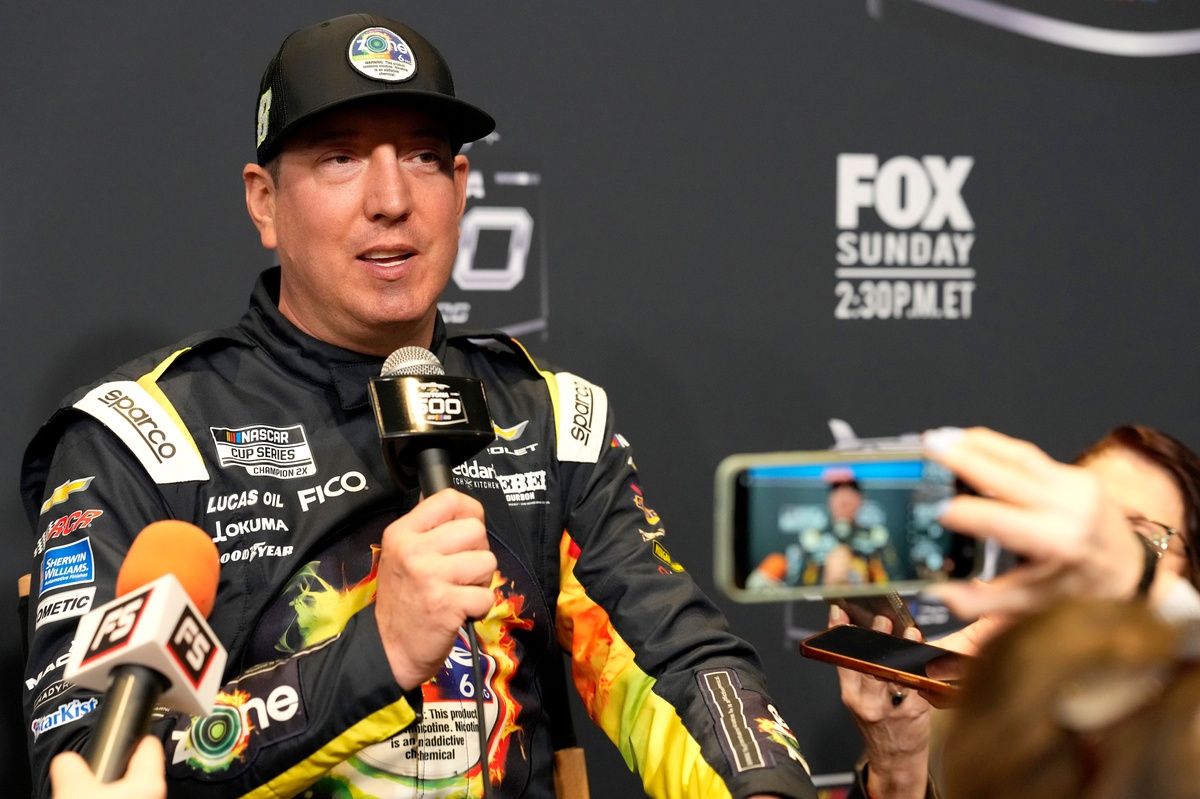
Kyle Busch, a two-time Cup Series champion and the driver of the #8 car for Richard Childress Racing, has recently articulated the foundational principles governing his professional trajectory. The athlete characterized the current state of top-tier racing as a performance-based industry, emphasizing that historical accolades do not guarantee future tenure. This perspective reflects the broader institutional standards of NASCAR, where competitive output serves as the primary metric for contractual stability and organizational investment.
As Busch enters his 21st year attempting to secure a victory at the Daytona 500, the intersection of individual ambition and team strategy becomes increasingly prominent. The Daytona 500 represents more than a single event; it is a structural milestone that defines the start of the competitive calendar and serves as a high-stakes environment for evaluating technical readiness. For a driver with 63 career Cup victories, the pursuit of this specific achievement highlights the persistent need to align personal skill with the evolving mechanical capabilities of the racing organization.
Institutional Alignment at Richard Childress Racing
The relationship between a driver and their racing team is governed by complex administrative and technical synergies. Busch has indicated a desire for long-term continuity with Richard Childress Racing, provided certain institutional conditions are met regarding competitive capabilities. This requirement underscores the symbiotic nature of professional racing, where the driver’s ability to extract maximum performance is contingent upon the organization’s capacity to provide elite-level equipment and support.
In a performance-based industry, the allocation of resources is strictly dictated by results on the track and the subsequent data generated during competition. Richard Childress Racing must navigate these structural demands to ensure that the #8 team remains viable within the highly competitive landscape of the Cup Series. The administrative decisions regarding driver retention and resource distribution are often influenced by the ability to maintain a consistent presence at the front of the field, which in turn secures the necessary sponsorship and media visibility.
The 2026 Season and Career Longevity
The 2026 NASCAR Cup Series season is set to mark the 22nd full-time campaign for Busch, placing him in a rare category of long-term professional endurance. Reaching such a milestone requires a continuous adaptation to changing technical regulations, aerodynamic packages, and internal team dynamics. Longevity in this sector is not merely a function of time but a result of maintaining a high level of competitive relevance across multiple eras of the sport’s development.
The transition into a 22nd season involves significant strategic planning from both the athlete and the organization to manage the physical and mental demands of a rigorous schedule. Within the framework of professional sports, veteran status provides an institutional memory and a depth of experience that can be leveraged for technical development. However, these advantages are always weighed against the immediate need for top-tier results in a system that prioritizes current performance over past championships.
Economic and Media Context of Professional Racing
The statement that the industry is performance-based also touches upon the economic realities of professional motorsports. Sponsorship agreements, which fund the vast majority of operations, are frequently tied to specific performance benchmarks and visibility metrics. When a driver of Busch’s caliber discusses his future, it signals to stakeholders the importance of maintaining a competitive environment that justifies continued financial and structural support.
Media coverage of these developments often focuses on the narrative of the veteran athlete, yet the underlying reality is one of rigorous corporate and technical accountability. The ability to remain in a top-tier seat for over two decades is a testament to the driver’s capacity to satisfy the diverse demands of sponsors, team owners, and the technical staff. As the 2026 season approaches, the focus remains on how these institutional factors will converge to determine the next phase of a highly decorated career.