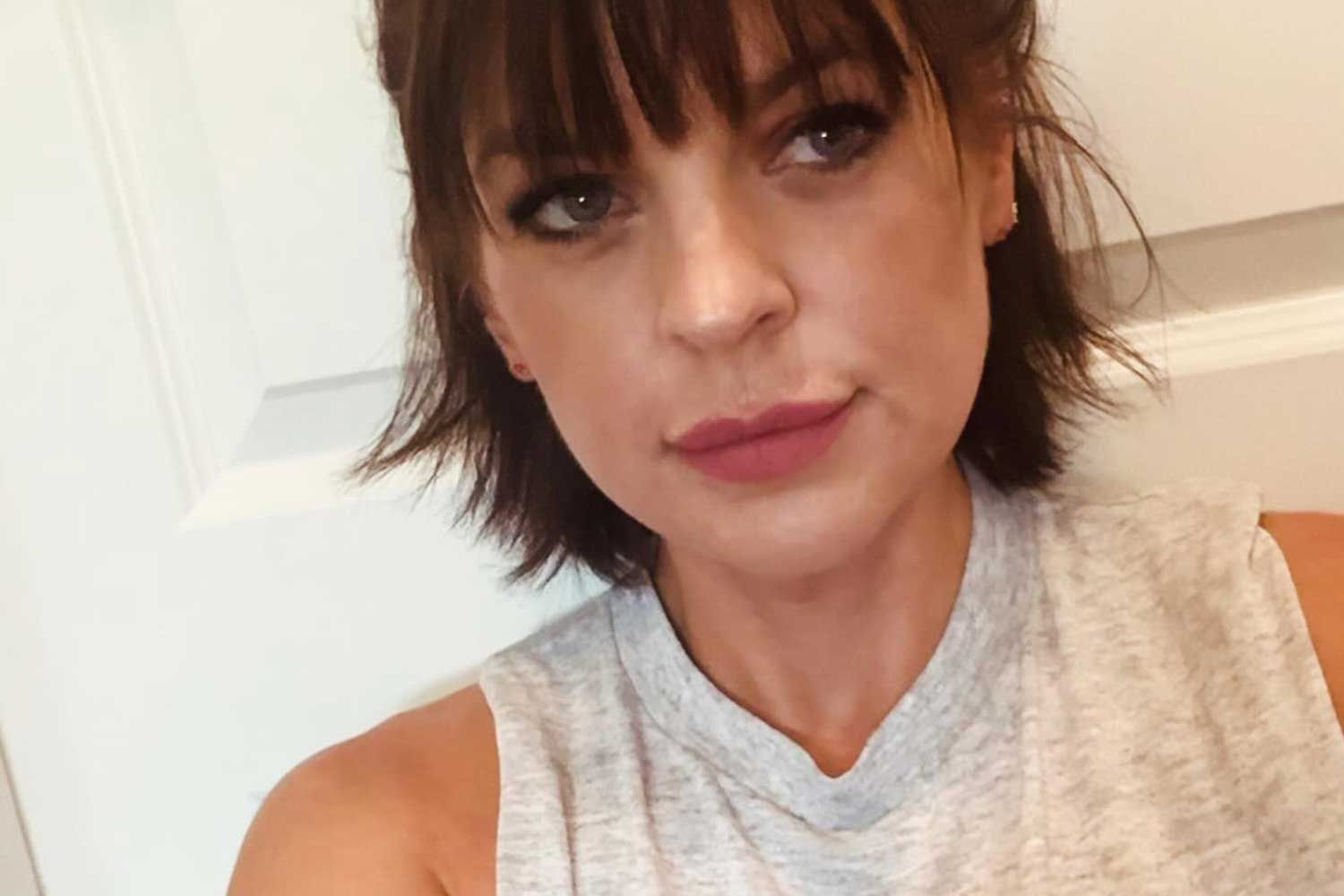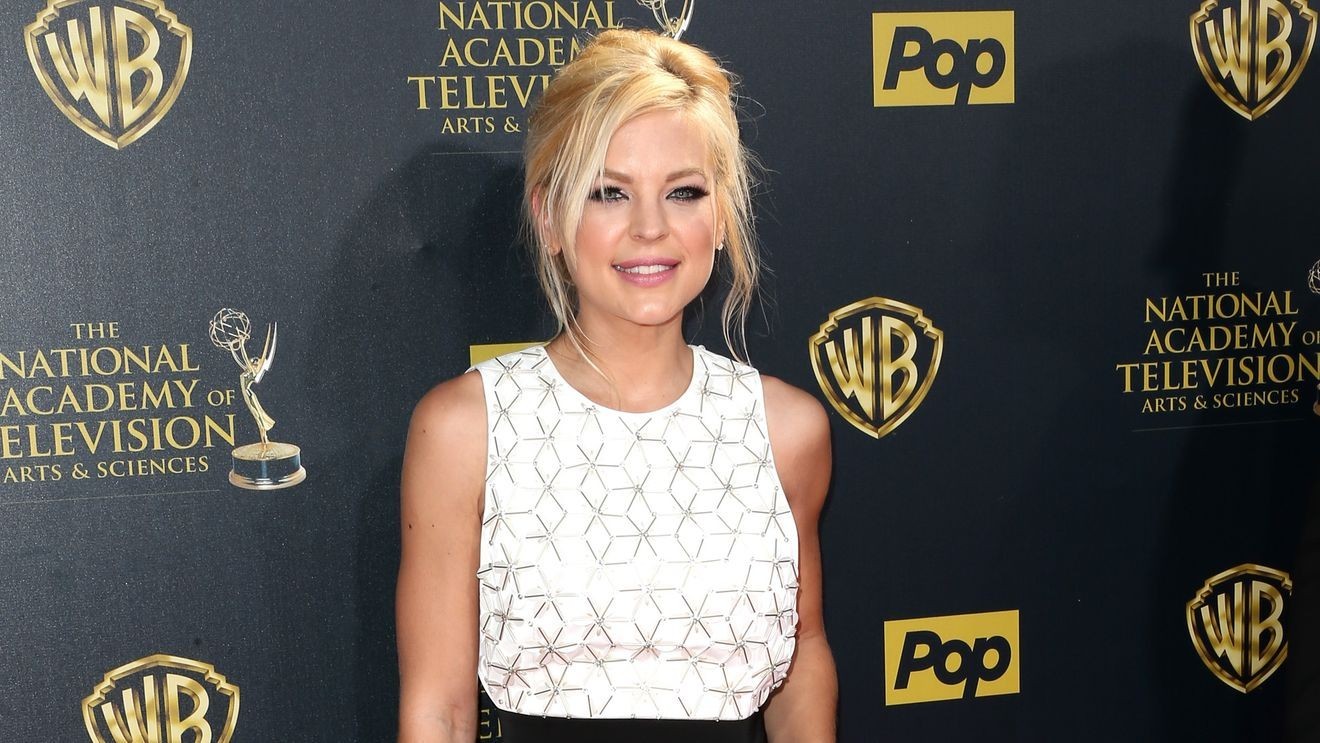
The ongoing legal conflict between daytime television figures Kirsten Storms and Brandon Barash offers a critical case study in the intersection of family law, highly rationalized television production schedules, and crisis communication. Married from 2013 to 2016, the former co-stars share joint custody of their 12-year-old daughter, Harper Rose. Their respective relocations from California to Tennessee, culminating in an emergency restraining order filed in April, underscore the friction between private domestic volatility and the structural demands of the entertainment industry.
Labor Economics and Operational Contingencies in Serialized Television
Storms’ extended absence from her central role on the daytime drama General Hospital highlights the structural vulnerability of serialized television models. Unlike weekly primetime episodic series, daytime television operates on compressed, high-volume production schedules. These schedules demand year-round shooting blocks, requiring talent to execute massive volumes of dialogue under tight daily deadlines. When a principal cast member experiences an unscheduled absence, production companies must immediately enact contingency plans.
These disruptions incur significant financial and administrative costs. Because daytime dramas rely on complex ensemble narratives, the sudden unavailability of a primary actor triggers a cascading effect across multiple storylines, altering shoot schedules, contract hours, and compensation models for the broader cast and crew. To mitigate these disruptions, production houses must utilize tactical recasting or rapid narrative realignments, balancing contractual obligations against the strict budgetary margins of contemporary broadcast syndication.
The Jurisdictional Mechanics of Interstate Custody Relocation
The transition of this domestic dispute from California to Tennessee introduces complex jurisdictional challenges under interstate family law frameworks. In April, Brandon Barash obtained an emergency restraining order against Storms, asserting claims of mental health struggles and residential instability. In custody proceedings, housing consistency serves as a primary metric for determining the child’s best interests, as courts systematically prioritize environmental continuity and physical safety.
When co-parents execute separate, asynchronous relocations across state lines, the legal infrastructure must resolve complex jurisdictional disputes. Deciding which state retains primary jurisdiction over modifications to custody agreements requires strict adherence to interstate statutory guidelines. This transition demands sophisticated legal coordination to ensure any subsequent judicial modifications comply with the reciprocal statutory mandates of both the originating and receiving states.
Public Relations Disintermediation and Strategic Persona Shifts
Storms’ recent return to social media, marked by a deliberate visual transformation from blonde to dark brunette and a detailed personal statement, exemplifies modern disintermediation in celebrity crisis communication. By bypassing traditional public relations agencies and communicating directly via Instagram, Storms attempted to seize narrative control over her personal and professional transitions. The visual rebranding acts as a symbolic break from her established public persona, signaling a conscious shift in identity.
In active legal disputes, direct-to-consumer communication carries significant strategic risk. Public statements must be meticulously calibrated to avoid undermining pending litigation or violating active court mandates. Storms’ public plea for privacy highlights the delicate balance public figures must maintain: sustaining audience engagement to preserve their market viability while protecting the integrity of sensitive, non-public family court proceedings from legal exposure.
Child Labor Trajectories and Health-Induced Professional Attrition
The trajectory of Storms’ career, which began in early childhood, illustrates the unique developmental and psychological pressures associated with long-term labor in highly regulated, adult-centric environments. Decades of sustained performance under intense scrutiny often lead to systemic professional burnout and personal alienation. This dynamic is evidenced by Storms’ public reflections on her desire to experience life outside the isolated paradigm of the entertainment industry.
This structural pressure is compounded when major health crises, such as Storms’ history of a brain aneurysm, intersect with demanding professional and legal environments. Fulfilling the rigorous demands of a daily television production while managing recovery from a major neurological event presents severe physical and logistical challenges. For studios, accommodating severe health vulnerabilities requires balancing employment law compliance against rigid operational schedules. When health issues, career transitions, and high-stakes family litigation converge, professional withdrawal often becomes the only viable path to achieve personal and legal stabilization.