The Tactical Evolution of the Batter’s Box
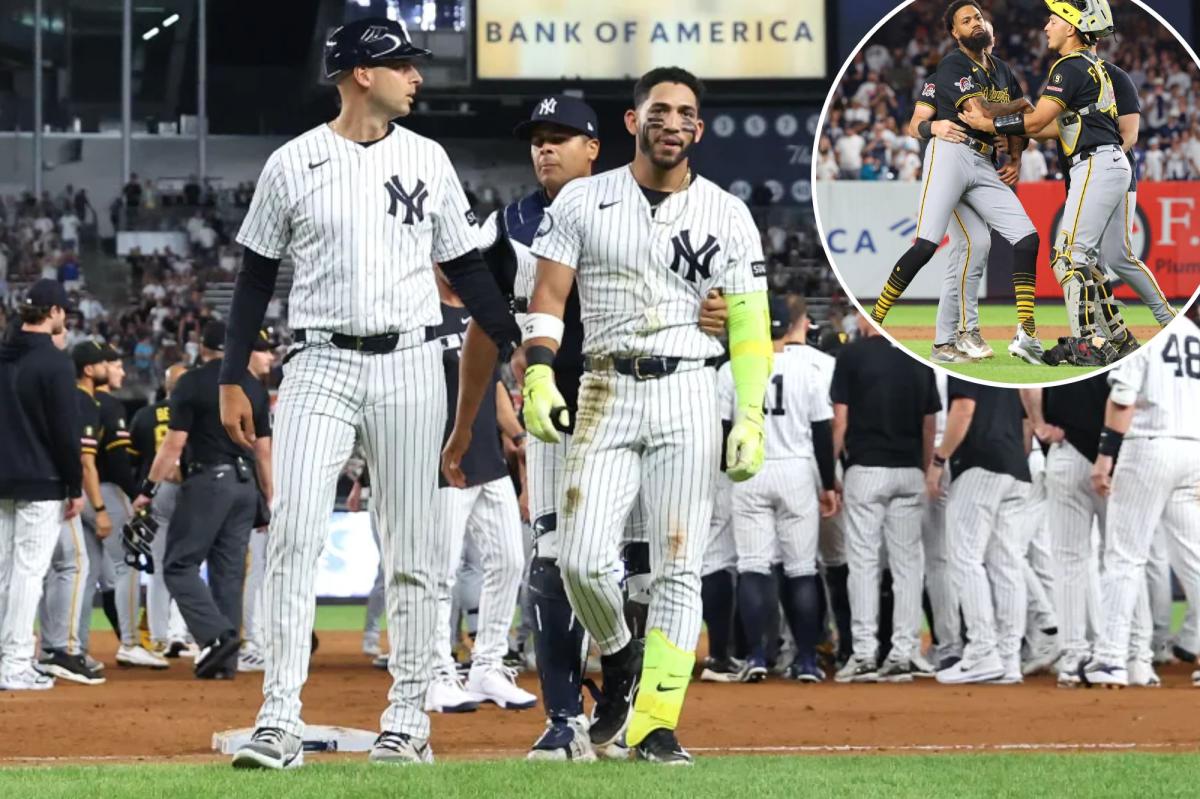
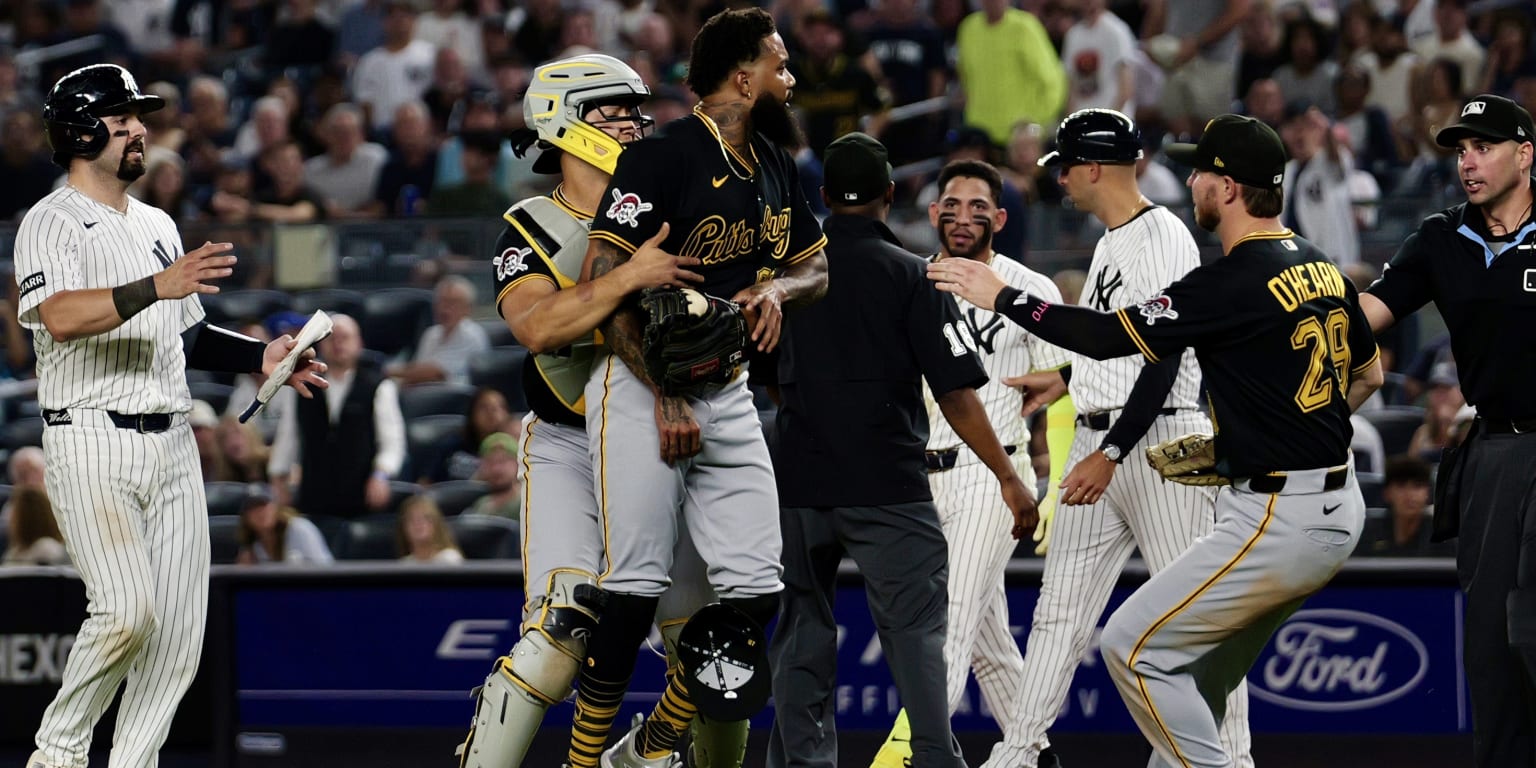
The recent confrontation between New York Yankees infielder José Caballero and Pittsburgh Pirates pitcher Dennis Santana illustrates a critical friction point within Major League Baseball’s regulatory framework. The dispute centers on the deliberate manipulation of the pitch timer, a mechanism designed to mandate efficiency that has evolved into a theater for psychological warfare.
Caballero’s strategy—withholding engagement with the pitcher until the final seconds of the window—represents a calculated attempt to disrupt the pitcher’s rhythm. By forcing hurlers to operate at the extreme periphery of the clock, hitters weaponize league mandates, effectively turning mechanical requirements into a psychological hurdle for the defense.
Institutional Challenges in Rule Enforcement
The resulting bench-clearing incident highlights the limitations of current officiating regarding the ‘gray zones’ of the clock. Umpire Paul Clemons’ decision to wave off a pitch during the at-bat signals an institutional acknowledgment of this tension, yet it underscores the subjective nature of enforcing pace-of-play rules. For MLB, this creates a volatile environment where the boundary between gamesmanship and procedural violation remains porous.
Competitive Dynamics and Player Agency
Caballero’s explicit framing of his tactics suggests a deliberate branding of his playing style as a disruptor. By forcing opponents to manage mounting frustration alongside physical execution, he shifts the competitive landscape. Teams are now forced to account for the psychological resilience of their pitchers when facing players who operate at the maximum limit of the pitch timer. The cost of these delays—manifesting in increased on-field tension and potential physical escalation—is becoming a non-trivial variable in modern game management.
The Ecosystem of Regulatory Intervention
Dennis Santana’s reaction, which cited a lack of familiarity with such extreme pacing, reflects a broader cultural shift within the sport. As the league prioritizes accelerated game times, individual deviations from the expected tempo generate unforeseen institutional friction. This case study demonstrates how regulatory interventions often produce secondary competitive effects, compelling the league to weigh strict clock enforcement against the necessity of maintaining competitive integrity and on-field stability.
Structural Consequences
The event serves as a microcosm of the conflict between standardized play and individual competitive advantage. As hitters continue to exploit the margins of the pitch timer, the league faces mounting pressure to refine enforcement protocols, ensuring that the quest for efficiency does not inadvertently facilitate the degradation of professional decorum.