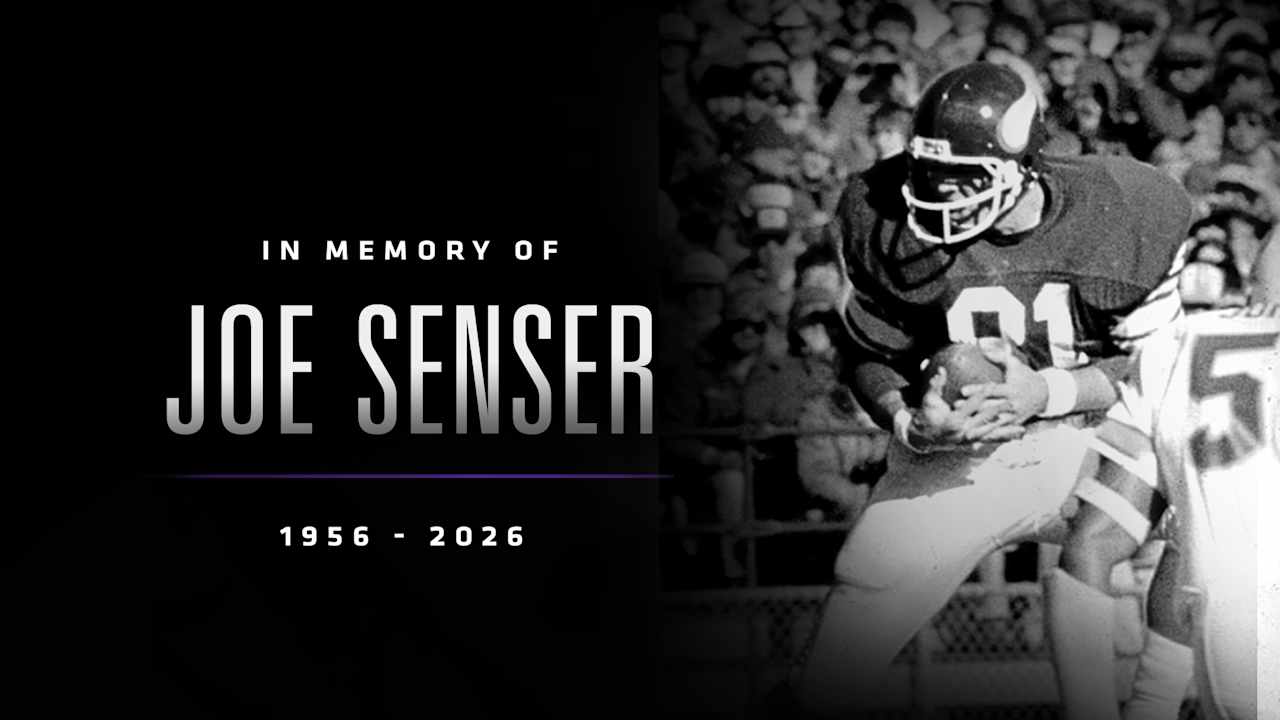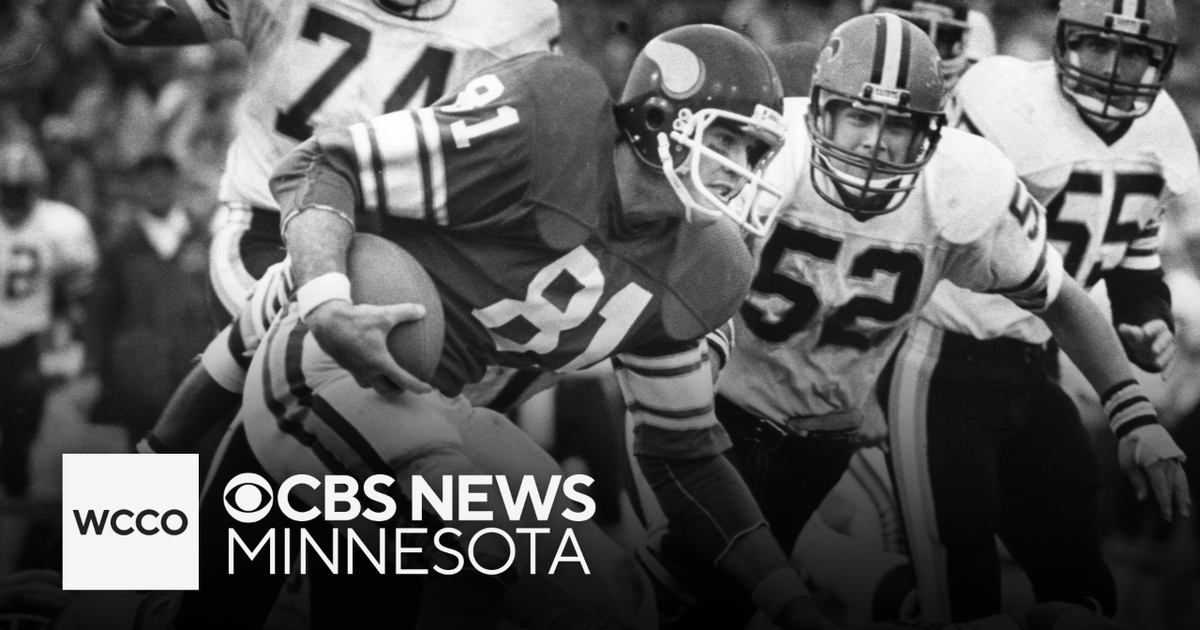
The passing of Joe Senser at age 69 marks the departure of a figure whose influence transcended the gridiron, bridging the gap between professional sports and regional economic development. Senser’s career offers a compelling case study in the successful conversion of athletic capital into long-term institutional and commercial influence within the Twin Cities landscape.
The 1981 Statistical Anomaly and Offensive Strategic Shift
Senser’s 1981 campaign remains a watershed moment in Minnesota Vikings history. Recording 79 receptions for 1,004 yards and eight touchdowns, he became—and remains—the only tight end in franchise history to surpass the 1,000-yard receiving threshold. This performance represented a significant tactical evolution within the NFC Central, as the Vikings successfully transitioned the tight end role from a secondary blocking asset to a primary vertical threat.
Drafted 152nd overall from West Chester University, Senser’s rapid ascent to Pro Bowl status validated the organization’s scouting efficacy and its ability to identify high-ceiling talent outside major collegiate programs. His efficiency in 1981 provided the Vikings with a unique competitive leverage, forcing defensive coordinators to rethink sub-package personnel to account for his size-speed mismatch.
Tactical Execution: The 1980 ‘Miracle at the Met’
Senser’s contribution to the 1980 ‘Miracle at the Met’ serves as a definitive example of situational composure. His reception and subsequent lateral to Ted Brown with 20 seconds remaining were the critical operational precursors to the division-clinching touchdown against the Cleveland Browns. This play demonstrated a high level of tactical awareness, prioritizing clock management and yardage optimization over individual statistical gain.
The success of this maneuver had immediate downstream effects, securing the NFC Central title and stabilizing the franchise during a period of roster transition. Beyond the scoreboard, this moment solidified Senser’s reputation as a reliable high-stakes playmaker, a trait that would later define his transition into the private sector.
The Athlete-Entrepreneur Model and Regional Commercial Integration
Upon retiring from the NFL, Senser pivoted into the hospitality and broadcast industries, effectively institutionalizing his personal brand. His ownership of namesake sports bars and restaurants represented a strategic reinvestment into the local economy, utilizing the ‘athlete-entrepreneur’ model to build sustainable commercial ventures in mid-market urban centers like Minneapolis and St. Paul.
His dual role as a business owner and a color commentator for Vikings radio broadcasts created a vital feedback loop between the team and its fan base. In the broadcast booth, Senser functioned as a communication asset, providing analytical depth that translated complex on-field dynamics for multiple generations of supporters, thereby maintaining franchise brand equity during various performance cycles.
Institutional Stewardship and Cultural Ambassadorship
The support Joe Senser provided to the Wilf family during their 2005 acquisition of the Vikings underscores his role as an internal cultural ambassador. For new ownership groups, the endorsement of historical icons is essential for establishing legitimacy and maintaining organizational stability. Senser’s presence served as a bridge between the team’s legacy and its modern strategic objectives.
His legacy is ultimately defined by a multidimensional impact. By combining elite athletic performance with commercial acumen and a commitment to charitable initiatives, Senser accrued significant community capital. He remains a benchmark for how professional athletes can successfully navigate the transition to the ‘second act,’ leaving a permanent imprint on the social and economic fabric of their host cities.