iPhone 18 Series Poised for eSIM-Only Launch in Europe
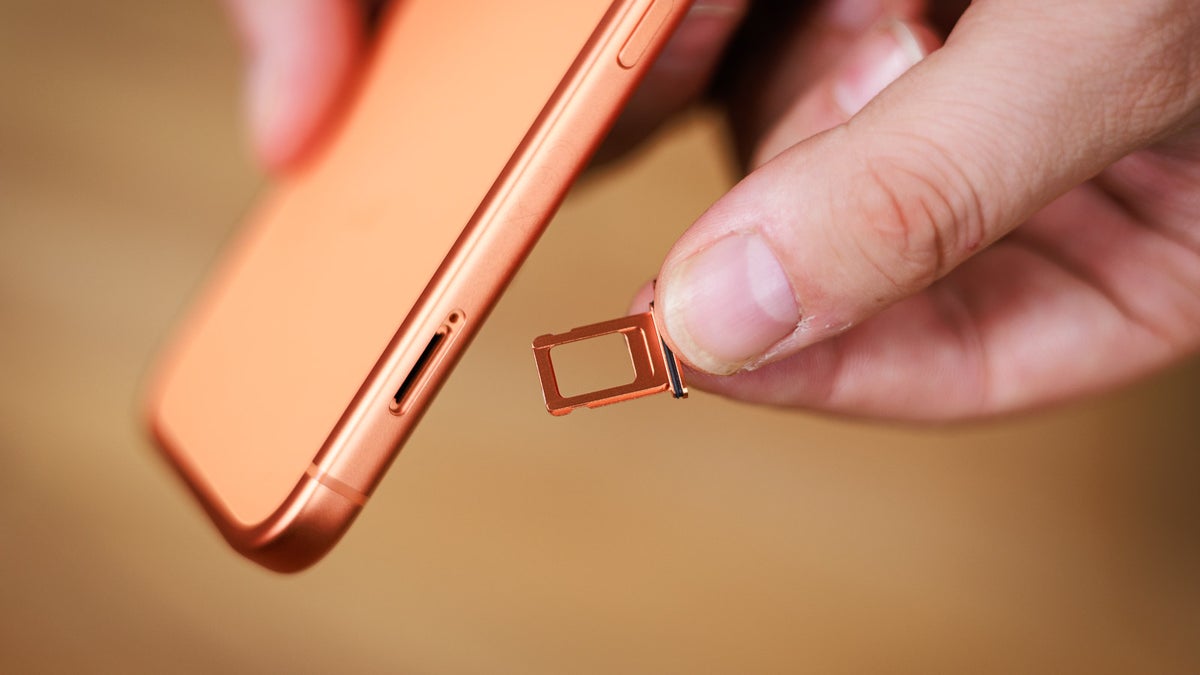
The forthcoming Apple iPhone 18 lineup is reportedly set to transition to an eSIM-only configuration for its European market debut. This strategic move aligns with Apple’s established trajectory of phasing out physical SIM card slots, a shift that first gained prominence with the iPhone 14 series in the United States. The expansion to Europe signifies a global push towards digital-only connectivity management.
While specific models are yet to be confirmed, the iPhone 18 Pro and Pro Max are anticipated to lead this eSIM-only initiative. This decision is strategically driven by the imperative to optimize internal device real estate. Eliminating the physical SIM tray allows for the integration of enhanced hardware components, such as larger battery units or more sophisticated thermal management systems. These upgrades aim to improve device performance, battery longevity, and overall user experience without compromising the sleek design characteristic of Apple’s premium smartphones.
eSIM technology, while mature, has faced adoption hurdles due to onboarding complexities, particularly for users migrating from Android. However, Apple’s integrated hardware and software ecosystem offers a unique advantage. By leveraging iOS and its established user base, Apple is well-positioned to streamline the eSIM transition process, fostering wider acceptance and driving the industry towards digital SIM solutions.
Strategic Rationale Behind the eSIM Mandate
Apple’s decision to mandate eSIM for the European iPhone 18 launch extends beyond mere space optimization. It represents a calculated move to exert greater control over the user experience, streamline manufacturing processes, and potentially reduce hardware failure points. Furthermore, this strategy places indirect pressure on European mobile network operators (MNOs) to fully develop and support their eSIM provisioning capabilities, aligning with Apple’s long-term vision for device connectivity.
The global standardization objective is evident in this multi-market rollout. Previous attempts at universal eSIM implementation faced regional challenges, notably where eSIM adoption lagged. The European expansion suggests Apple has assessed that the market conditions and regulatory landscape in key European countries are now sufficiently mature to support this significant shift. This indicates a deliberate strategy to establish a global precedent for future iPhone generations.
The tangible hardware benefits derived from freed internal space—such as enhanced battery life or improved cooling—serve as a compelling value proposition for consumers. These performance-driven enhancements can be effectively marketed, reinforcing the premium positioning of the iPhone 18 Pro and Pro Max models and differentiating them in a competitive market.
Market and Operator Ecosystem Dynamics
The widespread adoption of eSIM-only iPhones in Europe is expected to accelerate the broader industry’s move away from physical SIM cards. This necessitates significant investment by MNOs in eSIM technology, robust backend systems for digital SIM profile management, and enhanced customer support. While initial operational costs may rise, the long-term benefits include reduced logistics associated with physical SIMs and a more agile customer onboarding process.
Apple’s integrated ecosystem is a critical enabler of this transition. The seamless integration of eSIM within iOS, coupled with Apple’s substantial user base, significantly mitigates the onboarding friction that has historically hindered eSIM adoption. This allows Apple to dictate the pace of technological change, driving the market toward its preferred connectivity standard while simultaneously offering compelling hardware advantages as an incentive.
The competitive landscape is also a key consideration. As Apple solidifies its eSIM-only strategy, competing smartphone manufacturers may feel compelled to follow suit to maintain parity in device design and feature integration. This could lead to a more rapid industry-wide adoption of eSIM, reshaping the mobile device market and the operational models of telecommunications providers globally.
User Experience and Potential Adoption Hurdles
Despite the inherent benefits of eSIM, such as enhanced security and the ability to manage multiple carrier profiles on a single device, the transition for European users may present challenges. Comprehensive user education and support will be crucial for a smooth migration from physical SIM cards. Apple’s success hinges on its ability to provide intuitive tools and clear guidance to demystify the eSIM setup process, particularly for less tech-savvy consumers.
Historical resistance to eSIM in certain markets, often linked to concerns about device portability and carrier switching, could resurface. Apple’s strategy implies confidence that these concerns are being addressed through evolving industry standards and improved MNO support. Ensuring a frictionless experience across diverse European carrier networks will be key to user satisfaction and overall adoption rates.
The regulatory environment in Europe will also play a pivotal role. Apple’s reliance on pending regulatory approval underscores the necessity of compliance with regional telecommunications policies and consumer protection standards. Any unforeseen regulatory hurdles could delay or alter the scope of the eSIM-only rollout, impacting Apple’s strategic timeline.
Future Hardware and Design Trajectories
The elimination of the physical SIM tray represents a significant step in Apple’s pursuit of device miniaturization and internal component optimization. This reclaimed space is a strategic asset that can be reinvested in other hardware improvements, potentially leading to more durable devices with longer operational lifespans due to better thermal management. The ability to integrate larger batteries without increasing physical dimensions directly addresses a perennial consumer demand for extended battery life.
This design philosophy, prioritizing internal space for functional hardware over legacy components like SIM trays, signals a broader commitment to an integrated and efficient device architecture. It suggests a future where ports and physical connectors are minimized, and functionality is increasingly delivered through wireless technologies and digital interfaces. The iPhone 18’s eSIM-only implementation is a key enabler of this future-forward design trajectory.
The success of this eSIM-only initiative in Europe could influence Apple’s approach to other product lines and future device generations, setting a precedent for hardware evolution that prioritizes internal innovation and a cleaner external design. This direction is likely to shape the competitive landscape, encouraging other manufacturers to explore similar design efficiencies and connectivity standards.
Broader Industry Impact and Competitive Positioning
Apple’s aggressive push towards eSIM-only devices in a major market like Europe signals a powerful message to the global telecommunications industry. It reinforces the inevitability of the transition away from physical SIM cards and pressures other smartphone manufacturers and MNOs to accelerate their own eSIM strategies. This could lead to a more unified global standard for mobile device connectivity, simplifying international roaming and device management.
The competitive advantage Apple gains is multifaceted. It allows for differentiation through hardware innovation, such as improved battery life and cooling, directly linked to the eSIM implementation. Furthermore, it strengthens Apple’s ecosystem lock-in by making it more seamless for users to manage their mobile services within the Apple environment, potentially reducing churn and increasing customer loyalty.
The long-term implications for the supply chain are also noteworthy. A widespread shift to eSIM-only devices would necessitate a recalibration of manufacturing processes and component sourcing. Companies specializing in SIM card production would need to adapt, while those focused on eSIM-related technologies and software solutions would likely see increased demand, reshaping the economic dynamics of the mobile hardware sector.
Regulatory and Market Acceptance Dynamics
The critical dependency on regulatory approval for the European eSIM-only launch highlights the complex interplay between technological innovation and governmental oversight. European regulatory bodies are tasked with ensuring consumer choice, fair competition, and the security of telecommunications infrastructure. Apple’s proposal will be scrutinized to ensure it aligns with these objectives and does not create undue barriers for consumers or smaller network providers.
Market acceptance in Europe will be a crucial determinant of the long-term success of this strategy. Unlike the U.S., where Apple has a dominant market share and a well-established digital infrastructure, Europe comprises diverse markets with varying levels of technological adoption and consumer familiarity with eSIM. Apple’s ability to effectively communicate the benefits of eSIM and provide robust support will be key to overcoming potential user apprehension and ensuring a smooth transition.
The historical context of Apple’s product launches suggests a pattern of introducing significant technological shifts and then leveraging its market power to drive widespread adoption. The iPhone 18’s eSIM-only approach in Europe is likely to follow this playbook, with the company investing in marketing and educational campaigns to facilitate user understanding and acceptance, ultimately aiming to set a new industry standard.