Structural Vulnerabilities in Athletics Governance
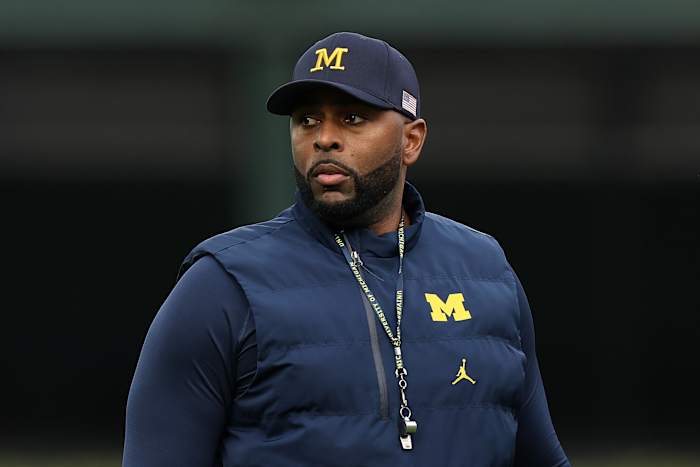
The disclosures provided by former University of Michigan staffer Paige Shiver regarding her relationship with former head coach Sherrone Moore expose systemic weaknesses in the governance of high-stakes collegiate athletic departments. When personal associations intersect with rigid hierarchical professional structures, traditional human resources oversight often proves insufficient to manage the resulting power asymmetries.
The characterization of this dynamic as an ‘open secret’ points to a significant failure in internal reporting mechanisms designed to mitigate conflicts of interest. In large academic institutions, operational continuity and athletic performance outcomes frequently overshadow the enforcement of ethical boundaries, fostering environments where power remains unchecked.
Power Asymmetry and Administrative Safeguards
Shiver’s testimony illustrates the profound risks faced by personnel when their professional trajectory is managed by a superior who occupies a high-visibility, high-authority role. This concentration of power creates a bottleneck for accountability; the individual responsible for departmental success often functions simultaneously as the source of workplace friction. When institutions prioritize the preservation of high-profile personnel, subordinate protections are often subordinated to the strategic interests of the program.
The Intersection of Personal Crisis and Professional Liability
The complexity of Shiver’s medical circumstances—specifically those involving Pompe disease—highlights the vulnerability of subordinates within high-stakes, asymmetric relationships. These personal crises expose the lack of insulation between private life and professional status, as the subordinate party may feel pressured to align personal decisions with the expectations of the superior.
Institutional Risk and Reputational Management
The legal challenges involving Moore serve as a focal point for broader concerns regarding personnel oversight. Such incidents trigger significant institutional liabilities, ranging from potential litigation regarding workplace harassment to broader cultural degradation. For an institution like the University of Michigan, the challenge lies in decoupling competitive success from individual conduct, ensuring that administrative integrity is not sacrificed for performance.
Strategic Implications for Institutional Reform
The case underscores a vital requirement for independent, third-party oversight committees that operate outside the influence of the athletics department. Centralizing conduct reporting within a university-wide framework is a necessary step to reduce the influence of departmental power brokers. However, the efficacy of such frameworks relies entirely on the willingness of leadership to prioritize policy over performance.
The shift from internal personnel matters to public discourse necessitates a fundamental re-evaluation of institutional transparency. The university must demonstrate that its internal governance can identify and rectify systemic failures without bias. Ultimately, fostering an equitable environment requires moving beyond informal power structures toward a model that values the agency and security of every staff member, independent of their position within the athletic hierarchy.