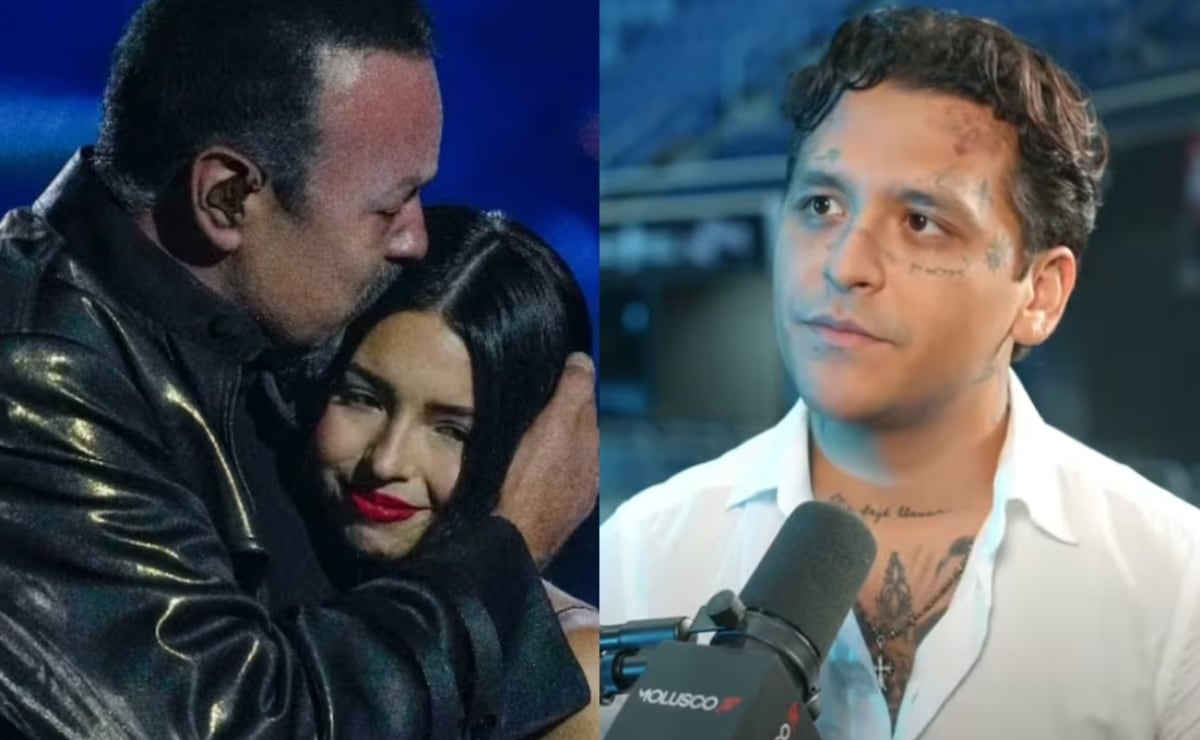
The reported separation of Christian Nodal and Ángela Aguilar transcends personal gossip, representing a significant disruption in the strategic alignment of two high-equity brands within the Regional Mexican music sector. Following the release of the music video for ‘Un Vals,’ the subsequent fallout has exposed systemic tensions regarding creative governance and the institutional influence of the Aguilar dynasty. The controversy centers on the casting of model Dagna Mata, whose visual similarity to Nodal’s former partner, Cazzu, is viewed as a failure in brand-alignment protocols, triggering a crisis of trust between the two professional camps.
Creative Governance and Reputational Risk
In high-stakes commercial music, casting decisions are tactical extensions of an artist’s brand narrative. The selection of a lead actress with a perceived resemblance to a high-profile former partner introduces a layer of reputational risk that can destabilize marketing efforts. For the Nodal-Aguilar partnership, positioned as a fusion of tradition and modernism, this decision acted as a catalyst for institutional friction. Reports suggest that Ángela Aguilar perceived the casting as a breach of domestic respect and a direct threat to the curated image of her marriage, shifting the public narrative from artistic innovation to a crisis of integrity.
From a market perspective, these controversies trigger a cooling of consumer sentiment, particularly among demographics that prioritize traditional family values. The ‘Un Vals’ video, intended to be a milestone in Nodal’s ‘Forajido’ cycle, has instead become a case study in brand damage. In the digital age, audience interpretations of visual subtext can override intended artistic messages, leading to immediate operational consequences and forcing artists to pivot from promotion to damage control.
Institutional Intervention and Strategic Withdrawal
The involvement of Pepe Aguilar in the wake of the controversy underscores the corporate nature of the Aguilar family’s management. As the custodian of the family’s cultural legacy, Pepe Aguilar’s public assertions of authority—exemplified by the message ‘Sabes lo que hiciste’ (You know what you did)—signal that the crisis has moved into the realm of brand protection. This intervention suggests that the Aguilar estate views Nodal’s recent creative and personal volatility as a liability to their core asset: Ángela’s professional standing.
The logistical shift of Ángela Aguilar from her shared Houston residence to the family ranch in Magnolia, Texas, represents a tactical withdrawal. This move consolidates family support and limits further exposure to Nodal’s immediate influence. By returning to the family’s operational base, the Aguilar management is effectively seizing control of the narrative, ensuring that all communications are filtered through their internal apparatus. This strategic isolation is a standard defensive maneuver designed to insulate a high-value artist from partner-driven instability.
Media Ecosystems and Information Brokerage
The dissemination of specific details by journalists like Gustavo Adolfo Infante and Javier Ceriani highlights the role of specialized media as information brokers. The precise timing of these reports suggests a managed flow of information intended to prepare the market for a formal separation. In the absence of joint statements, these leaks fill the information vacuum, creating a narrative framework that makes a return to the previous status quo difficult without significant public relations intervention.
Furthermore, the compounding risks of infidelity allegations and Nodal’s reported friction with his own father create a multi-front crisis. In the Regional Mexican industry, where family-led management is the standard, a breakdown in paternal relations often indicates a lack of professional discipline. This perceived instability increases the risk profile of the artist, potentially impacting tour contracts and endorsement deals. The Aguilar family’s swift intervention aims to mitigate these financial risks by demonstrating institutional stability regardless of individual marital status.
Conclusion: Long-term Brand Resilience
The future of the Nodal and Aguilar brands depends on their ability to transition from a unified ‘power couple’ narrative back to separate entities. For Ángela Aguilar, the focus will likely return to solo growth and the reinforcement of the Aguilar legacy. For Christian Nodal, the challenge lies in stabilizing his professional image and addressing the critiques of his strategic decision-making. This event serves as a reminder that in the music industry, institutional stability and brand equity are often prioritized over individual creative autonomy or personal volatility.